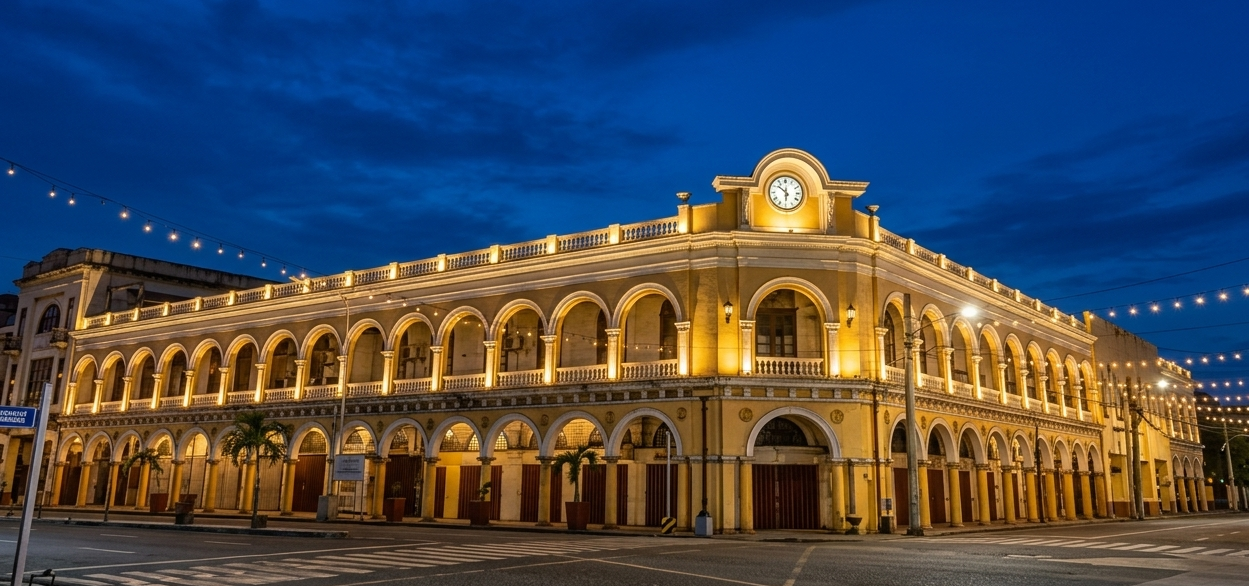
Iloilo City is taking a bold step into the future by looking firmly at its past, specifically through a new partnership between the local government and the University of the Philippines Visayas (UPV). On May 4, 2026, a memorandum of agreement was signed to formalize "Project 3: Heritage as Public Policy," a program designed to preserve and revitalize the iconic buildings of Calle Real. This historic stretch, once the commercial center of the American colonial era, is being reimagined as a "living classroom" where preservation meets sustainable economic growth. By engaging building owners and heritage advocates, the city is ensuring that these century-old structures don't just look beautiful but remain functional hubs for modern Ilonggo businesses.
Preservation as a Policy Pillar
The core of this initiative is the transition from simple "beautification" to a structured governance framework that protects the 21 heritage buildings along Calle Real. Mayor Raisa Treñas-Chu emphasized that the agreement is a timely response to the city’s need for sustainable development in the City Proper district. Three specific buildings have already been submitted to the National Commission for Culture and the Arts (NCCA) for repainting and redevelopment, with work expected to begin before the end of the second quarter. This move ensures that the district’s aesthetic integrity is maintained while the interiors are modernized to meet current safety and commercial standards.
Economic Revival and Foot Traffic
Beyond the bricks and mortar, the project is a strategic economic maneuver to pull residents and tourists back into the downtown core. The city is currently observing a shift in commercial energy, with major refurbishments at nearby establishments like SM Delgado and SM Jaro signaling a renewed interest in the district. By restoring the grandeur of Calle Real, the local government hopes to create a unique shopping and dining environment that big-box malls cannot replicate. The goal is to turn the district into a pedestrian-friendly zone where history and commerce coexist, providing a high-value experience for travelers seeking the authentic "Queen City of the South."
The River as a Living Classroom
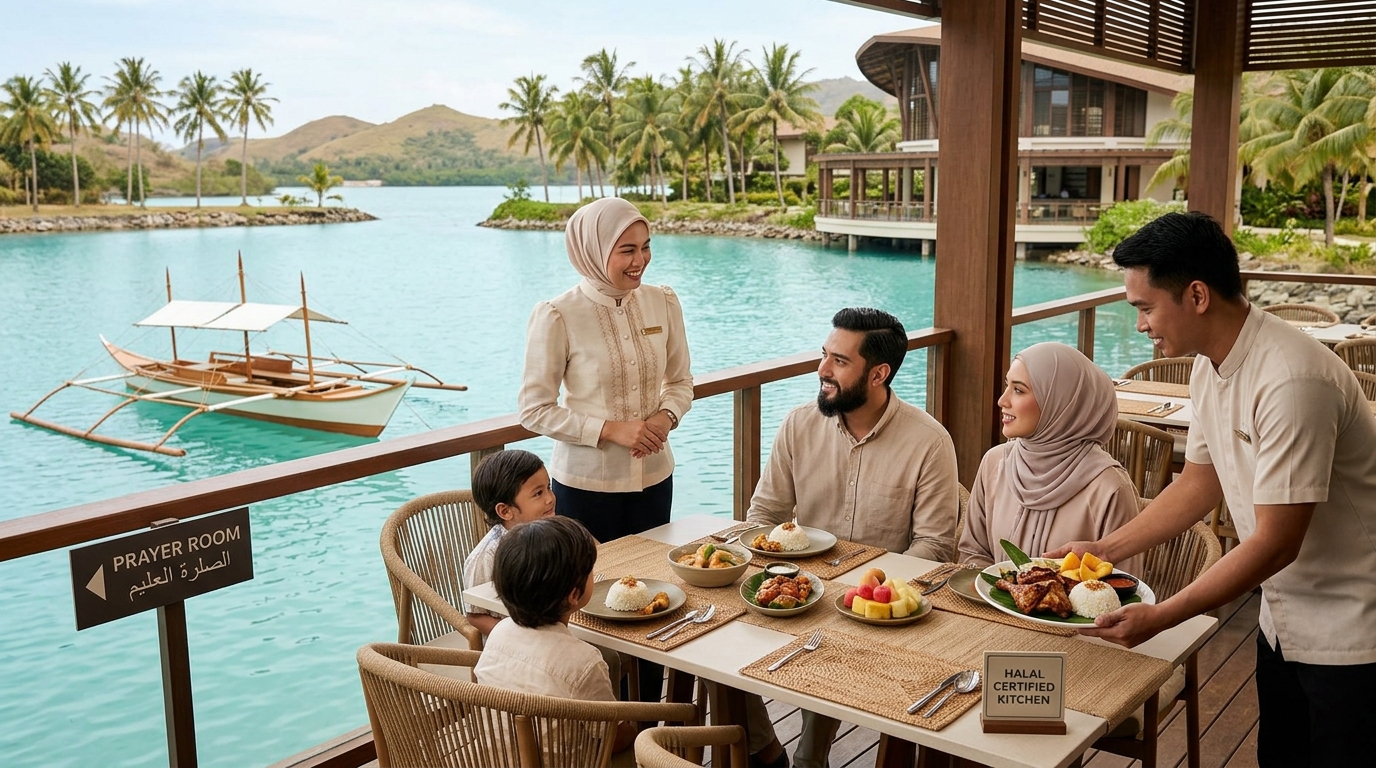
While the buildings take center stage, the partnership also looks toward the Iloilo River as a complementary ecotourism project. UPV Chancellor Clement Camposano has proposed developing the river system as an educational venue to teach urban resilience and environmental stewardship. This forward-looking approach includes the introduction of halal culinary offerings along the riverbanks to broaden Iloilo's reach within the international tourism market. By linking the architectural heritage of Calle Real with the natural heritage of the river, Iloilo is crafting a multi-dimensional tourism narrative that prioritizes education, environment, and history in equal measure.