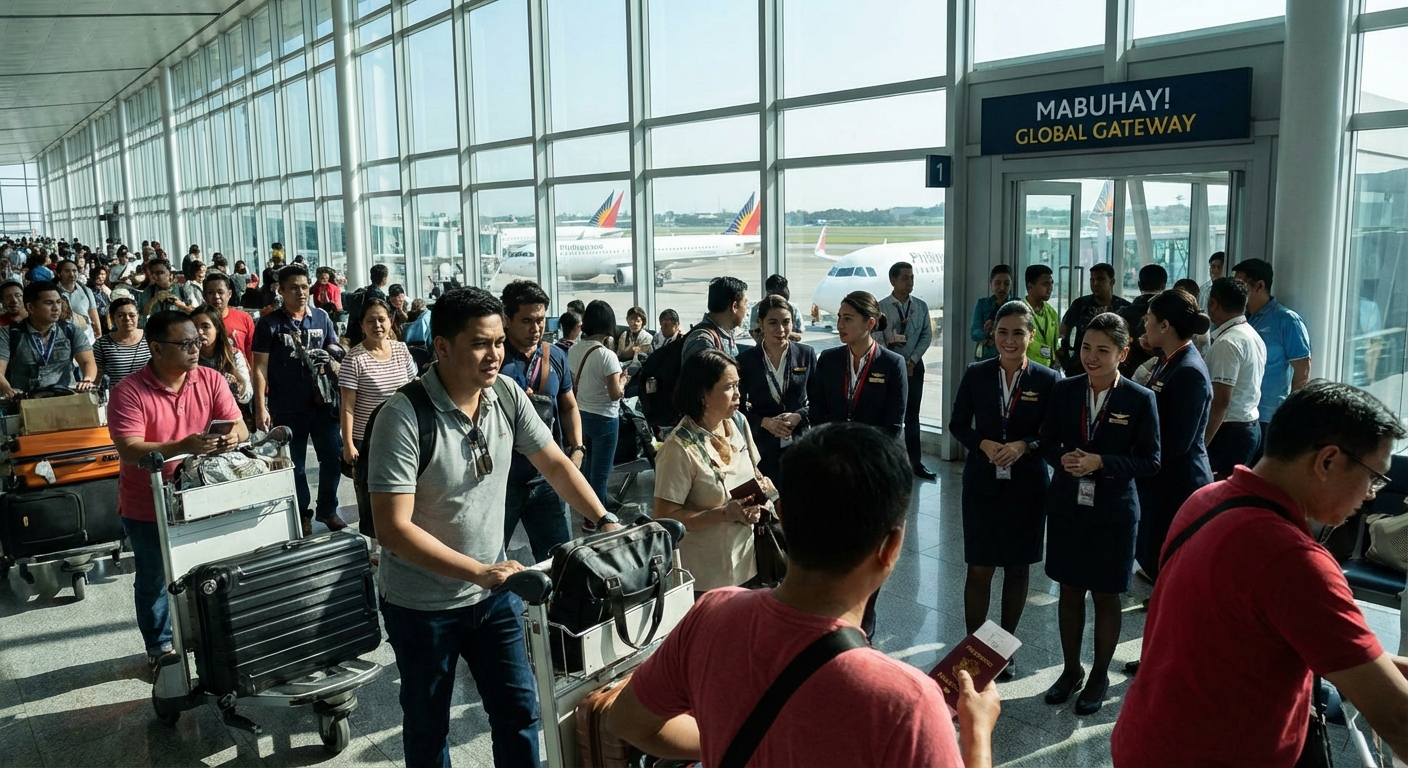
Southeast Asia is witnessing an unprecedented aviation boom, with Singapore now joining the ranks of Malaysia, Thailand, Indonesia, the Philippines, and Vietnam in leading this surge. This significant expansion, marked by a "record-breaking" handling of millions of departing seats, signals a robust recovery and growth in tourism across the region. For the millions of Filipinos working abroad and their families back home, this development carries profound implications for employment, connectivity, and economic prosperity. The surge in air traffic indicates a powerful resurgence in regional travel and tourism, sectors where many Filipinos find employment. As airlines expand their routes and increase flight frequencies, the demand for aviation professionals, including pilots, cabin crew, ground staff, and maintenance personnel, is expected to rise. Beyond the immediate aviation industry, the spillover effect on tourism and hospitality — from hotel staff and tour guides to restaurant workers and service providers — creates a broader spectrum of opportunities for the skilled Filipino workforce. This intensified activity also enhances the Philippines' position as a key player in the regional travel landscape, potentially attracting more inbound tourism and investment. Why It Matters This aviation boom is more than just about increased flights; it's a critical economic engine. For the Philippines, a nation heavily reliant on the contributions of its overseas Filipino workers (OFWs), the expansion of employment opportunities in host countries like Singapore, Malaysia, and Thailand is crucial. A thriving regional economy, fueled by tourism and trade, can translate into better job prospects, more competitive wages, and ultimately, higher remittances sent back to the Philippines, supporting countless families. Moreover, the enhanced connectivity means easier, potentially more affordable, travel for OFWs to visit their loved ones or for families to reunite. What Filipinos Need to Know Filipinos, both those currently abroad and those aspiring to work overseas, should view this trend as a clear signal for future opportunities. Investing in skills relevant to the aviation, tourism, and hospitality sectors can open doors to new roles emerging from this boom. For OFWs, the increased flight options provide greater flexibility and potentially lower costs for travel, making it easier to maintain strong family ties despite geographical distance. As the Philippines itself is a participant in this regional growth, the nation's own tourism and service industries are poised for expansion, creating more domestic jobs and encouraging local economic development.