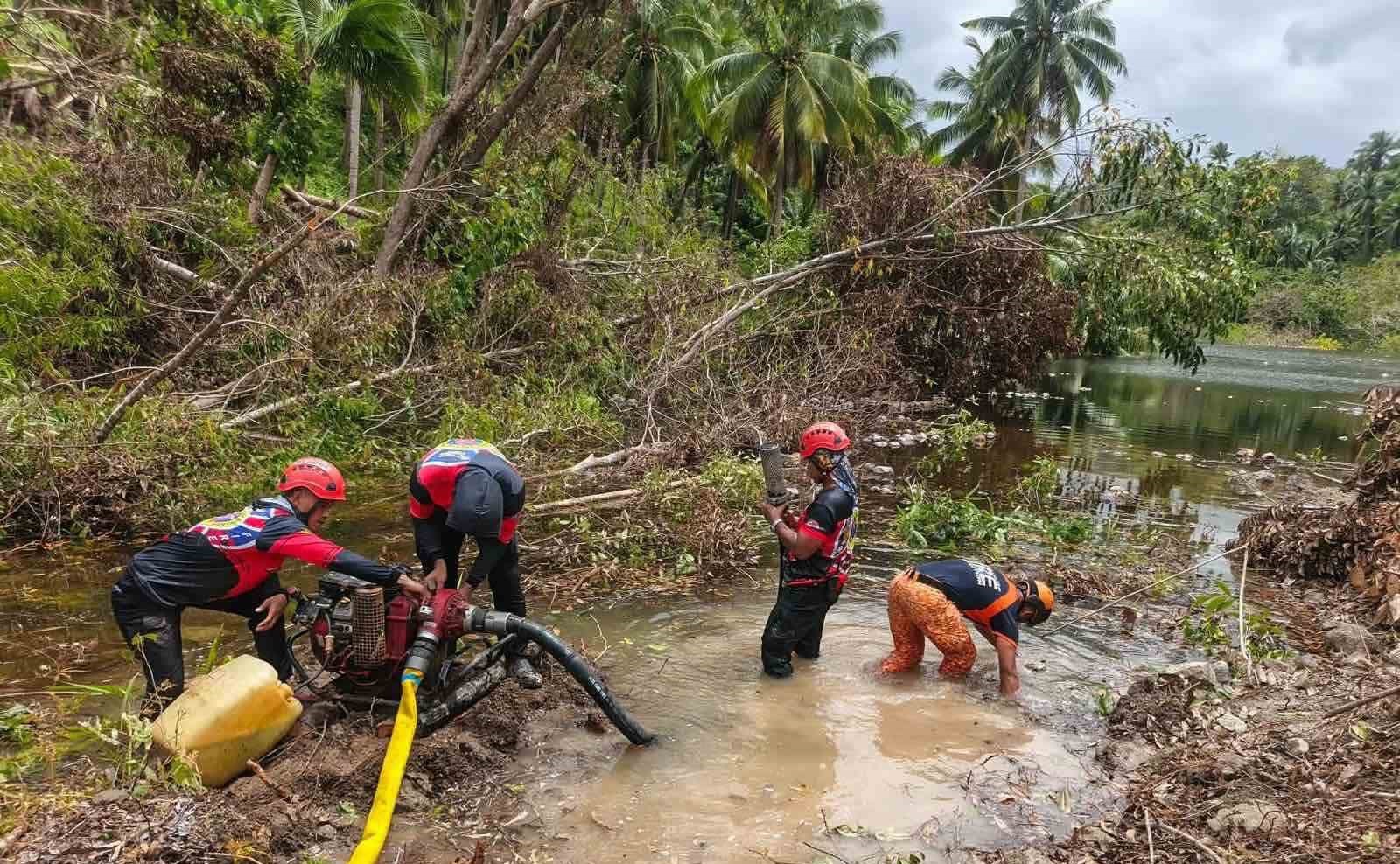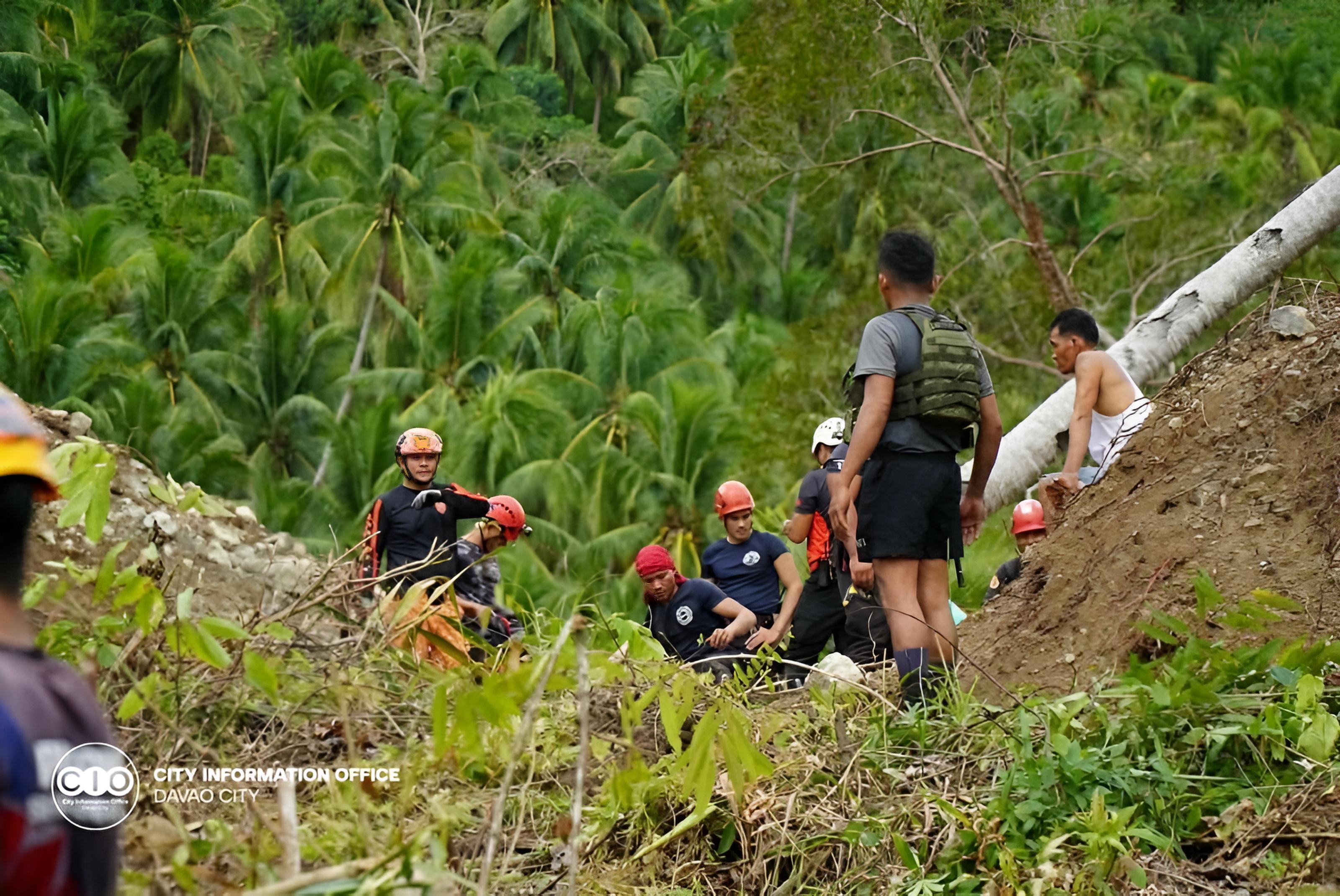
Davao — The looming threat of a potential catastrophe in Jose Abad Santos (JAS), Davao Occidental, has finally been averted. On June 24, 2026, disaster response teams successfully breached and drained an artificial dam in Barangay San Isidro, which had been formed following a massive magnitude 7.8 earthquake on June 8. For nearly two weeks, the blockage—created by mountains of soil and debris collapsing into a river—posed a "ticking bomb" scenario, threatening to unleash devastating flash floods upon downstream communities. The successful draining of the approximately 12-hectare reservoir marks a significant victory for the collaborative relief efforts involving local government units, the Philippine Army, and various national disaster agencies.
Neutralizing the "Ticking Bomb"
The artificial dam was a direct consequence of the powerful earthquake, which triggered landslides that choked a vital river channel and trapped massive volumes of water. Local officials and the Bureau of Fire Protection (BFP) had labeled the blockage a "ticking bomb," as persistent rains and frequent aftershocks threatened to collapse the unstable mound of earth and rocks at any moment. Because heavy equipment could not safely access the terrain, authorities were forced to evaluate high-risk interventions, including controlled blasting and the installation of siphoning systems. Ultimately, the coordinated effort by the 525th Engineer Combat Battalion, the 73rd Infantry Battalion, the Davao Central 911 USAR Team, and other partners allowed them to clear the obstruction safely and restore the river's natural flow.
Prioritizing Lives and Community Resilience
While the technical clearing operation was underway, the priority remained the safety of the over 2,000 residents who were preemptively evacuated from vulnerable barangays such as Nuing, Butuan, Sugal, Camalian, and Malalan. With the dam now drained, the focus of the provincial and municipal government has shifted back to full-scale recovery. Beyond the dam issue, the earthquake caused widespread destruction across the region, affecting over 22,000 families in JAS and damaging thousands of homes and infrastructure. As relief operations continue, the government is intensifying efforts to provide cash aid, modular shelters, and mental health support to ensure that the "Jasenyos" can rebuild their lives and communities following this challenging ordeal.