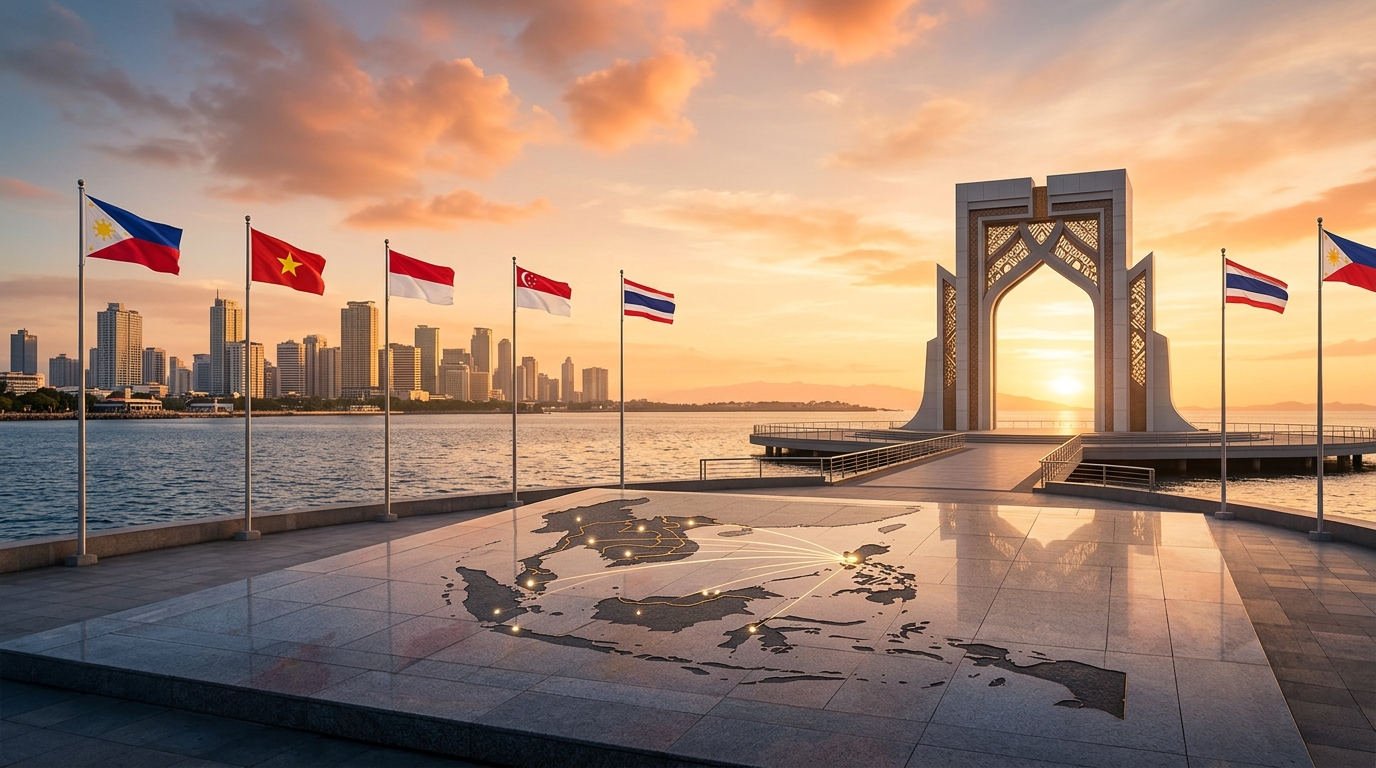
Global — A high-level diplomatic visit by a top Vietnamese leader, encompassing critical engagements in Thailand, Singapore, and the Philippines, has been declared a "great success" by Vietnam's Foreign Minister. The extensive tour also included participation in the Shangri-La Dialogue, Asia's premier defense summit, signaling a concerted effort to strengthen regional ties and address pressing geopolitical and economic concerns across Southeast Asia. While specific details regarding agreements or outcomes from the Philippine leg of the trip remain largely undisclosed, the very inclusion of Manila in such a significant regional itinerary underscores the nation's pivotal role in regional stability and economic development.
Evaluating Interconnected Indo-Pacific Stability and Maritime Cooperation Frameworks
The leader's presence at the Shangri-La Dialogue, a forum that brings together defense ministers and security experts from around the world, highlights the interconnectedness of security and prosperity in the Indo-Pacific. Such high-level engagements are crucial for fostering dialogue on complex issues ranging from maritime security to economic integration, all of which directly or indirectly influence the daily lives and long-term prospects of millions of Filipinos, both within the Philippines and as overseas Filipino workers (OFWs) across the globe.
Securing Transnational Labor Protections and Driving Foreign Direct Investments
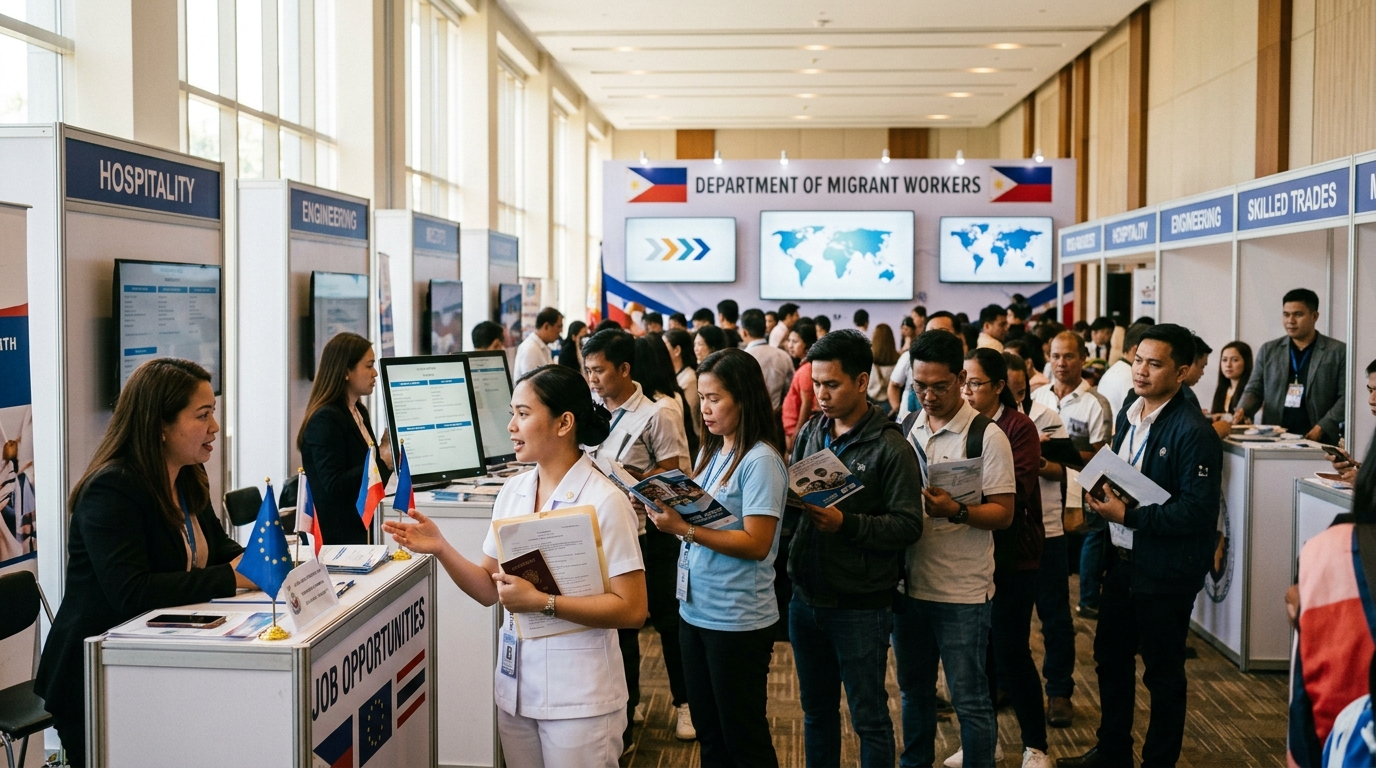
For Filipinos, these diplomatic successes hold significant implications. Stronger bilateral and multilateral relationships within Southeast Asia can pave the way for increased foreign investment into the Philippines, potentially generating more local employment opportunities and enhancing economic growth. For the vast Filipino diaspora working in countries like Singapore and Thailand, improved regional stability and economic cooperation can translate into more secure job markets, better working conditions, and enhanced protections for their rights abroad. Furthermore, a cohesive and diplomatically active Southeast Asia can better advocate for the collective interests of its member states, including the Philippines, on the global stage, affecting trade policies, security agreements, and humanitarian efforts that directly impact Filipino families.
Monitoring Post-Summit Multilateral Accords and Auditing Regional Policy Mandates
Filipinos should closely monitor the follow-up actions and concrete outcomes stemming from these high-level engagements. While the immediate declaration of "success" is positive, the real impact will be measured by subsequent developments in trade agreements, investment inflows, and collaborative initiatives in security and humanitarian aid. These diplomatic efforts are foundational to creating a more stable and prosperous region, which in turn directly benefits the Philippines' economy and the well-being of its citizens, whether they are working at home or contributing to economies as OFWs in neighboring nations. Staying informed about these regional dynamics is crucial for understanding the broader context that shapes the future for every Filipino.