
SINGAPORE — Mayor Raisa Treñas carried the story of Iloilo City to a global audience at the World Cities Summit 2026 in Singapore, sharing how a fast‑growing regional hub in the Philippines is redefining urban living. In an exclusive interview with Channel NewsAsia, she detailed the city’s milestones in disaster resilience, public market transformation, and inclusive housing.
Embedding Disaster Preparedness into City DNA
Iloilo’s approach to earthquakes and other hazards goes far beyond emergency drills. The city has institutionalized preparedness through executive orders, clear guidelines for businesses and schools, and a systematic infrastructure‑check protocol. Even minor building cracks are reported to city hall so that engineers can assess safety immediately.
This framework ensures that life continues smoothly after tremors. By embedding risk management into local ordinances and the city’s strategic roadmap, the mayor emphasized that preparedness becomes permanent regardless of who holds political office. The goal is a city where safety is automatic, not optional.
Revitalized Public Markets as Economic and Tourism Hubs
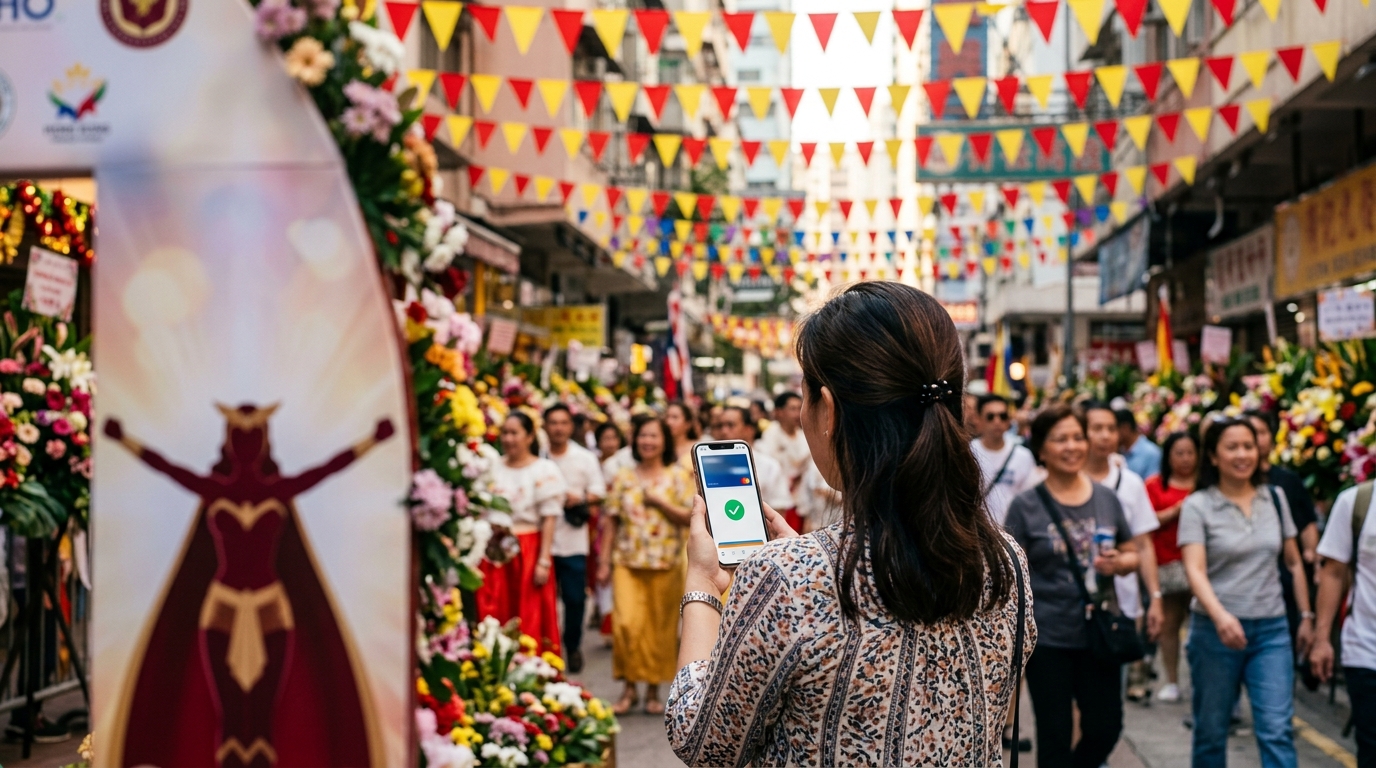
The city recently redeveloped five public markets—two through public‑private partnerships and three with local funding. These modernized spaces now offer cleanliness, ample parking, and better accessibility for all residents. Farmers and small vendors benefit from dedicated selling areas that boost their incomes.
Mayor Treñas introduced the concept of “market tourism,” where visitors explore dried fish stalls, local handicrafts, and fresh produce alongside Ilonggos. The markets have become vibrant, inclusive destinations that merge everyday commerce with cultural discovery. This revival supports the local economy while making heritage accessible to the world.
The Power of Being a Smaller, People‑Centered City
During the interview, the mayor pushed back against the idea that cities must grow into megacities to succeed. Iloilo’s strength lies in its manageable size, which allows faster decision‑making, easier navigation, and more responsive governance. She stressed that small cities can adapt more quickly to change and truly place people at the center of development.
Her vision is not to compete with Metro Manila’s scale but to build a “better city” that serves everyone. This philosophy guides every project, from market makeovers to housing programs. The city’s agility becomes its competitive advantage in delivering a higher quality of life.
Housing as a Foundation for Inclusive Growth
One of Mayor Treñas’s major takeaways from the summit was the global emphasis on housing tailored to diverse needs. Iloilo is already moving forward with rental housing, affordable units, and socialized housing projects in partnership with the national government and private sector.
She described homeownership as a deeply personal, long‑lasting gift for families, one that restores human dignity. The city’s commitment to “a home for everyone” aligns with its larger people‑centered vision, ensuring that economic progress does not leave the most vulnerable behind. These initiatives demonstrate how smaller cities can build sustainable, inclusive futures through concrete, on‑the‑ground action.