PALAWAN — On May 19, 2026, PLDT Inc. announced that it had signed separate Memoranda of Agreement with the Tagbanua Central Indigenous Cultural Community in Napsan, Puerto Princesa, and the Tagbanua Calamian ICC in Busuanga, securing indigenous consent for the Palawan Resiliency Submarine Cable Project. A third signing with the Tagbanua Tandulanen ICC in Sibaltan, El Nido, is scheduled for June. Brokered alongside the National Commission on Indigenous Peoples (NCIP), the agreements clear the path for additional submarine cable routes that will significantly enhance the reliability, resiliency, and capacity of PLDT's network across the province. For the property sector, the project represents far more than an infrastructure upgrade. It is the digital backbone that Palawan's accelerating real estate market has been waiting for.
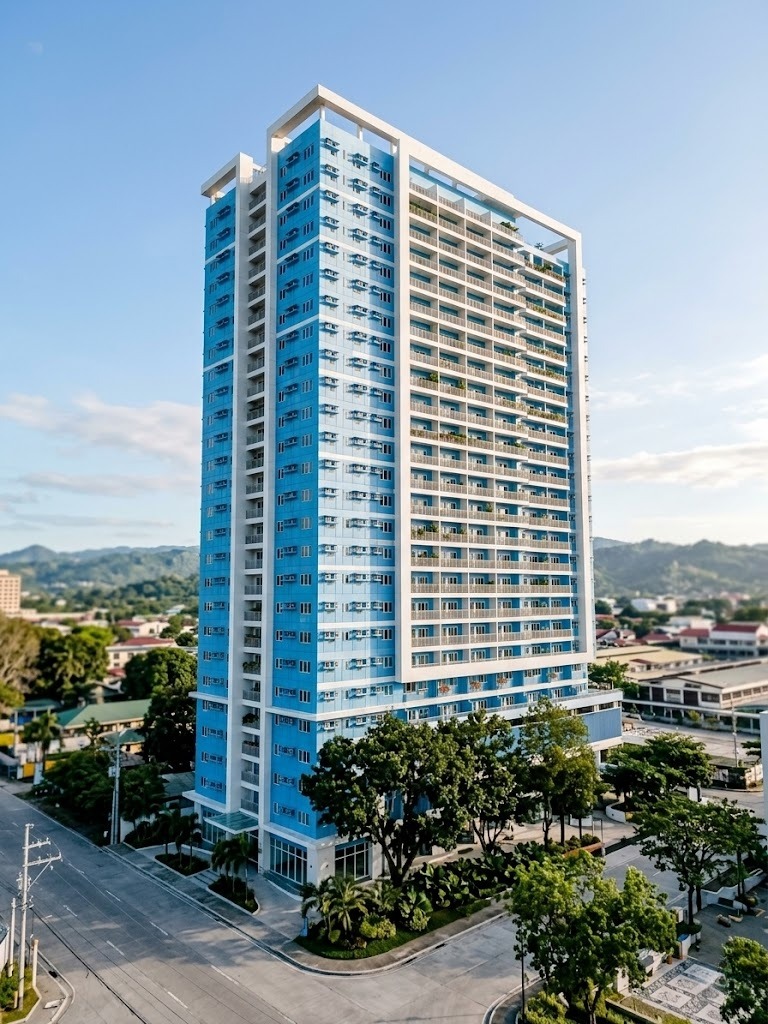
Palawan's real estate landscape is undergoing a structural transformation. Megaworld Corporation's 462-hectare Paragua Coastown township in San Vicente is rising alongside its wellness-focused Santé Residences—a 14-story condominium projected to generate billions in sales, with units featuring wireless smart home systems accessible via dedicated apps. The 28,000-hectare Palawan Mega Economic Zone, targeted for proclamation in 2026, has already drawn investor interest, with the first locator expected by mid-year. Cebu Landmasters Inc. is expanding its Casa Mira brand across the province. Each of these developments, from luxury beachfront condominiums to affordable suburban subdivisions, depends on a connectivity infrastructure that can support remote work, digital transactions, smart home technology, and the expectations of a new generation of property buyers for whom reliable internet is as essential as running water.
A Partnership Rooted in Indigenous Consent
The signing ceremonies, led by PLDT Vice President for Network Design and Engineering Arvin L. Siena, unfolded in the communities themselves—Napsan and Busuanga—rather than in a corporate boardroom. Tribal leader Prudencio P. Calis represented the Tagbanua-Calamian ICC, while separate ceremonies honored the Tagbanua Central ICC. The MOAs explicitly recognize and protect Indigenous Peoples' rights, mandating strict adherence to cultural, social, and environmental safeguards throughout the project's implementation and completion. "We are thankful for this opportunity to work more closely with our Tagbanua communities, so that we are able to build resilient network infrastructure that also honors their customs, rights, and stewardship," Siena said.
The NCIP's role as broker ensures that the agreements carry the weight of national policy behind them. The commission's involvement signals that infrastructure development on ancestral lands need not follow the extractive model that has historically defined large-scale projects in indigenous territories. For property developers observing the process, the Tagbanua MOAs offer a replicable template: secure indigenous consent early, embed cultural and environmental safeguards into the project design, and proceed with the legitimacy that only community-backed agreements can provide. The third signing in El Nido, expected in June, will complete the tripartite consent framework and allow construction to advance across the full geographic scope of the submarine cable route.
Connectivity as the Cornerstone of Property Value
PLDT COO and Network Head Menardo G. Jimenez Jr. framed the project in terms that connect directly to the real estate sector's long-term calculus. "Strengthening Palawan's network resiliency supports PLDT's broader mission of nation-building through digital inclusion. Through network resiliency and expansion projects in critical areas like Palawan, we can help bridge connectivity gaps, improve network reliability, and ensure that even far-flung communities are able to reap the benefits of the internet with no island left offline," he said. The phrase "no island left offline" is not merely a slogan. It is a promise that has direct implications for property values across Palawan's municipalities and island barangays.
The project creates vital network redundancy, meaning that if one cable fails, backup lines immediately take over to keep the province connected—a critical feature during natural disasters when communication becomes a lifeline. For a province whose tourism economy depends on the uninterrupted flow of bookings, payments, and guest communications, and whose residential market increasingly caters to digital nomads and remote workers, network resiliency is not a luxury. The boost in network capacity helps bridge the digital divide by ensuring that remote island communities gain reliable access to online jobs, education, and essential services. For the buyers evaluating a condominium unit in San Vicente or a house-and-lot package in Puerto Princesa, the knowledge that their internet will survive a typhoon is a decisive variable.
A Model for Infrastructure-Led Real Estate Growth
Palawan offers a range of property investment options, from short-term tourism-driven rental income to medium-term capital appreciation anchored on infrastructure development. The PLDT submarine cable project, by adding network redundancy and expanding capacity, strengthens the investment case for each of these strategies. It also aligns with the broader national push to decentralize economic activity beyond Metro Manila, using digital infrastructure as the primary enabler. For the Tagbanua communities whose consent made the project possible, the agreements represent both a recognition of their ancestral rights and a stake in the digital future that the submarine cable will deliver. The MOAs signed in May 2026 are not merely a telecommunications milestone. They are a foundational document for Palawan's next chapter of real estate growth—one built on consent, connectivity, and the quiet conviction that no island, and no community, should be left behind.