More Than Flights
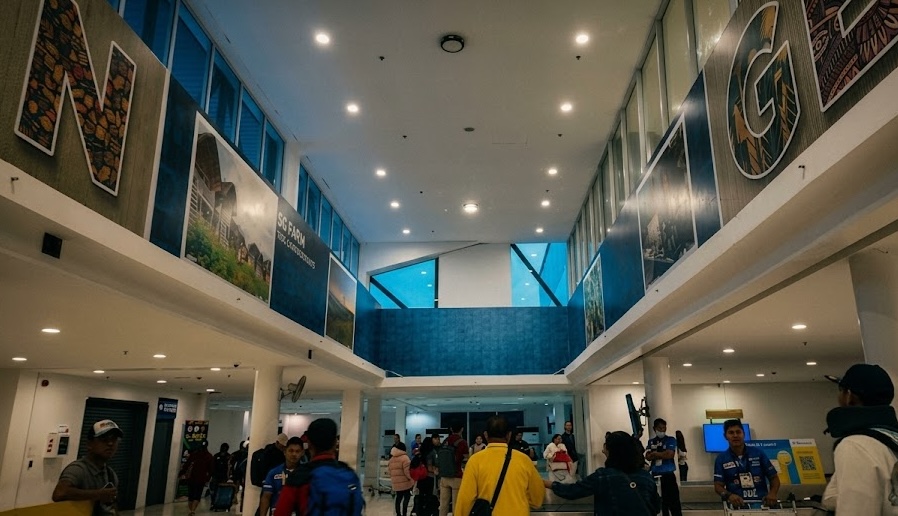
Airports are frequently viewed as transportation facilities, but their influence extends into tourism, commerce, and investment. Businesses depend on reliable connections for meetings, shipments, and travel. Visitors rely on them to reach destinations efficiently. When operations are affected, the ripple effects become visible. The airport's role extends beyond aviation. It contributes to the broader network that allows a city to remain connected with regional and national markets.
Infrastructure Under Examination
Disruptions often lead to assessments and evaluations that would otherwise receive little public attention. Engineers, planners, and administrators examine facilities to ensure safety and functionality. These reviews may seem routine, yet they play an important role in maintaining public confidence. Reliable infrastructure supports property values, business activity, and investment decisions. The process highlights the relationship between physical assets and economic resilience. In this sense, transportation infrastructure becomes part of the larger real estate conversation rather than a separate issue entirely.
A Reminder About Urban Value
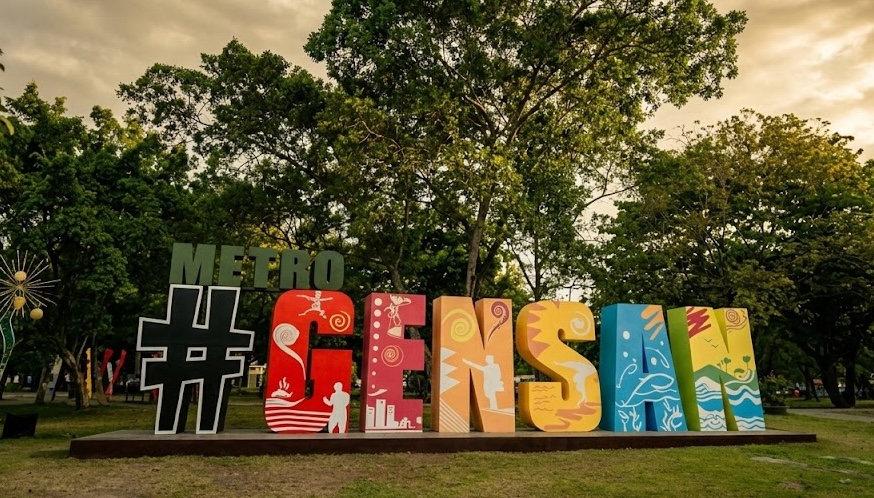
Cities derive value not only from buildings but also from the systems that connect them. Roads, airports, utilities, and public facilities influence how effectively people and businesses operate. The experience in General Santos City demonstrated how infrastructure contributes to everyday functionality. When systems work well, they often go unnoticed. When challenges arise, their importance becomes clear. Understanding this relationship helps broaden discussions about development and encourages greater appreciation for the networks that support urban life.