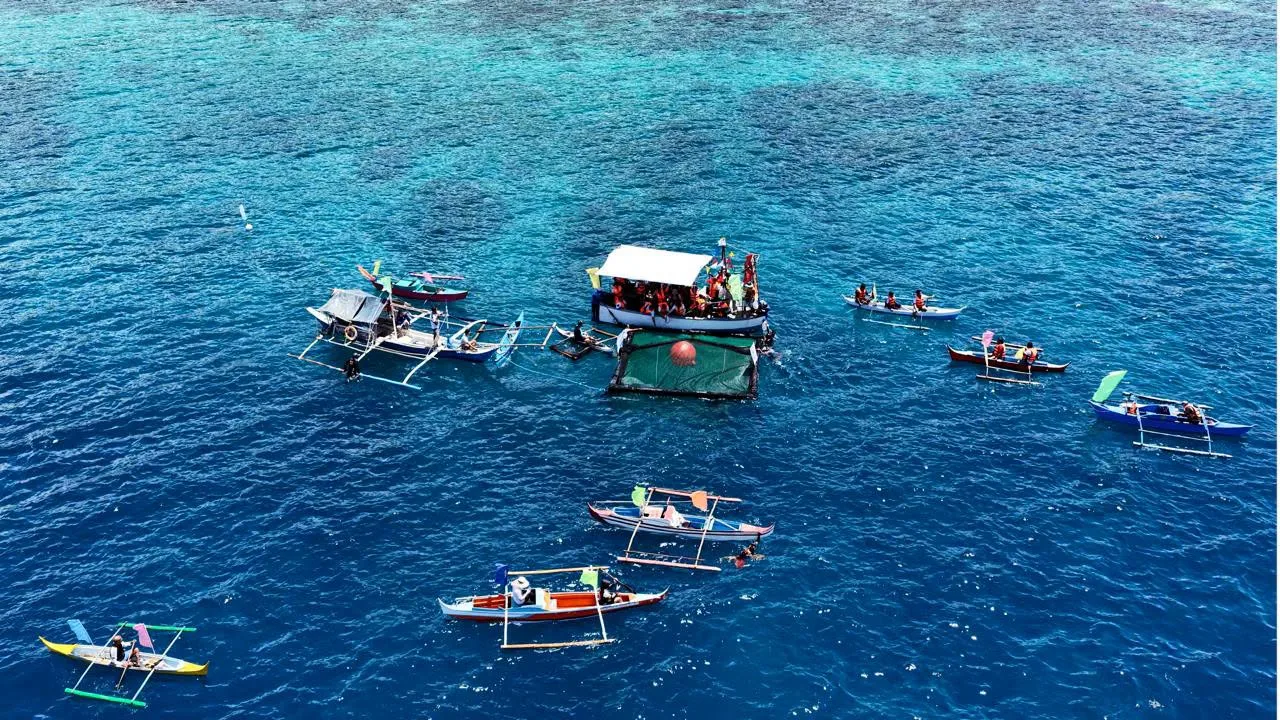
OSLOB, Cebu — The Cebu Provincial Government turned over 30 modern high‑density polyethylene (HDPE) fish cages worth P22 million to fisherfolk associations across the Second District on July 3, 2026. The initiative aims to strengthen local food production and shield coastal communities from inflation.
Modern Cages for Lasting Livelihoods
Governor Pamela Baricuatro led the turnover at the Daanlungsod Gym, joined by the Provincial Agriculture Office and officials from the Bureau of Fisheries and Aquatic Resources 7. The HDPE cages are engineered to withstand stronger waves and currents, ensuring stable harvests even during rough weather. Provincial Fishery Officer Joel Clapano noted the material can last up to 50 years with proper maintenance, far outliving traditional bamboo structures.
Beyond the cages, the governor distributed payao, high‑quality fish feeds, fertilizers, and bangus fingerlings to jumpstart operations. Each association also received 10‑kilogram sacks of rice from the Office of the President, rounding out the support package. The immediate stocking of fingerlings allowed beneficiaries to begin their harvest cycles without delay.
A Shield Against Inflation
Governor Baricuatro stressed that Cebu remains heavily dependent on food supplies from other provinces, making it vulnerable to price spikes and rising fuel costs. She urged communities to embrace local production as a buffer against external economic shocks. The fish cages provide a reliable source of protein and income even when commercial fishing boats cannot venture out to sea.
The governor framed the project as a long‑term investment in self‑reliance. By generating more food locally, the province can reduce its reliance on imports and keep prices stable for ordinary consumers. The strategy aligns with national goals for food security and sustainable coastal development.
First‑Time Beneficiaries Express Gratitude
For many of the fisherfolk, the distribution marked the first time their associations had received such substantial government support. Rolando Castillo, a 70‑year‑old from Oslob, expressed hope that the livelihood programs would continue and expand. His voice echoed a common sentiment among recipients who have struggled with unpredictable fishing yields.
Aida Zapanta and Tomas Serenillo from Badian welcomed the cages as an alternative income source during rough weather when they cannot safely go to sea. “Karon pa gyud mi nakadawat og ingon ani sukad sa pagpanagat namo,” Serenillo said, capturing the sense of relief and gratitude that filled the gym. The cages offer a secure, close‑to‑shore safety net for families whose livelihoods depend entirely on the ocean.
A Push for Food Self‑Reliance
The initiative forms part of Governor Baricuatro’s broader priority to boost local food production across Cebu. By investing in coastal infrastructure, the provincial government aims to create a more resilient food supply chain that can withstand both climate and economic pressures. The HDPE cages are a key component of that strategy, combining modern technology with community‑based management.
The project also supports the national government’s food security agenda. The inclusion of rice aid from Malacañang underscored a whole‑of‑government approach that transcends political lines. Governor Baricuatro emphasized that public service, not partisan affiliation, drives her administration’s outreach to communities.
Collaboration Across Government
The turnover ceremony highlighted the cooperation between provincial, municipal, and national agencies. Board Members Dr. Stanley Caminero and Raymond Calderon joined Oslob Mayor Ronald Guaren in releasing fingerlings into a cage in Barangay Daanlungsod. The united front demonstrated how layered governance can deliver targeted results to the grassroots.
The fisherfolk associations from Oslob, Badian, Ronda, Argao, Boljoon, Dalaguete, Dumanjug, Alcantara, Alcoy, and Alegria all benefited from the package. The distribution covered the entire Second District, ensuring a wide geographic impact. By spreading resources across multiple municipalities, the province builds a network of coastal food producers.