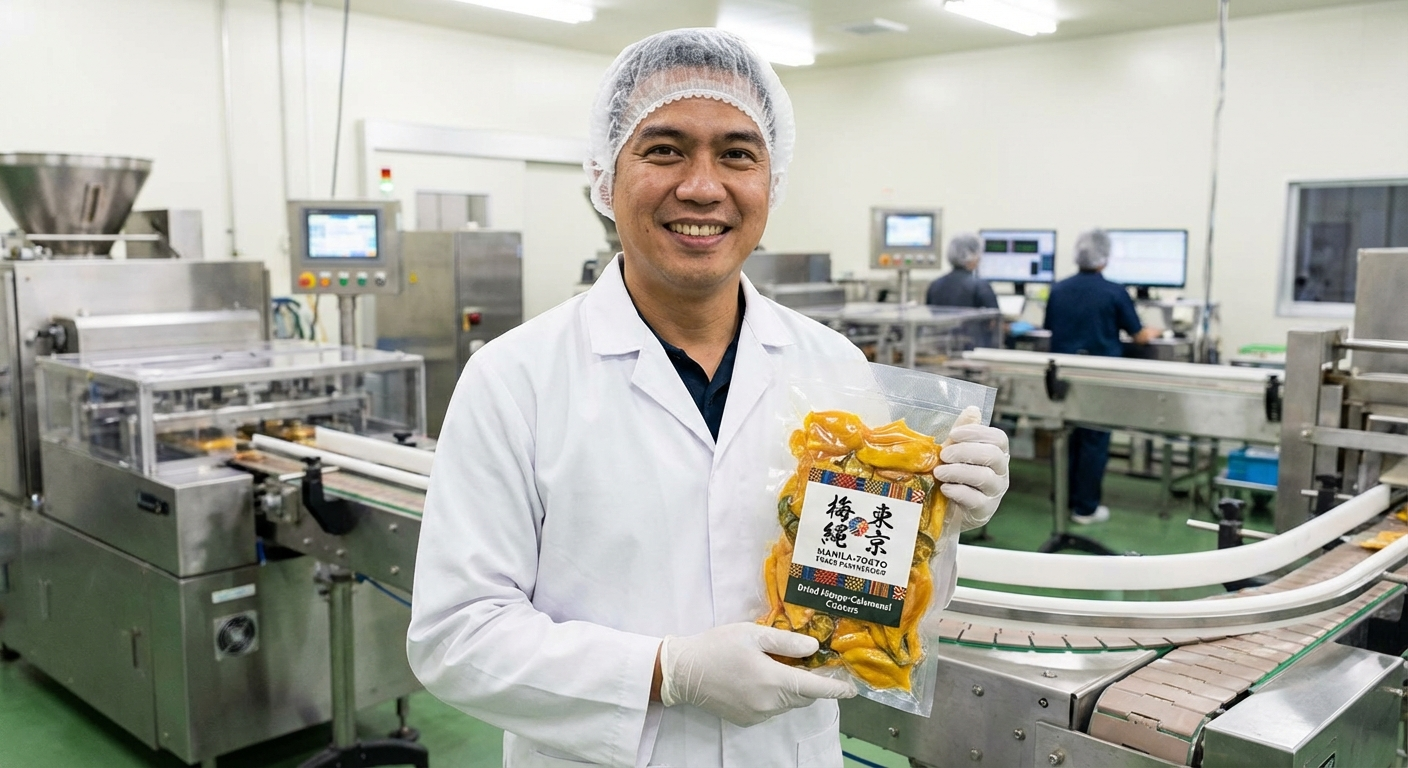
A strategic partnership between Dubai-based global logistics powerhouse DP World and Japan's Ichijo is set to bolster trade relations between the Philippines and Japan, according to recent reports. This collaboration is poised to streamline supply chain efficiencies and facilitate a greater flow of goods, marking a significant development in the economic landscape connecting the two Asian nations. While specific details of the "link" are still emerging, the overarching goal is to fortify the existing trade corridors and unlock new opportunities for mutual growth. DP World, renowned for its extensive network of ports, terminals, and logistics operations worldwide, brings formidable expertise in managing complex global supply chains. Ichijo, presumably a key Japanese entity in this partnership, contributes to this endeavor by integrating its operations to maximize trade volume and speed. The synergy between these two entities suggests a comprehensive approach to improve freight handling, reduce transit times, and enhance overall trade infrastructure, which is crucial for dynamic economies like the Philippines. Why It Matters For the Philippines, this intensified trade link carries substantial economic implications. Increased trade with Japan, one of the world’s leading economies and a major investor in the Philippines, could translate into several benefits. Enhanced logistics can lower costs for businesses engaged in import and export, making Filipino products more competitive in the Japanese market and potentially attracting more foreign direct investment into Philippine industries, particularly manufacturing and agriculture. This can stimulate job creation within the country, ranging from direct employment in ports and logistics hubs to supporting roles in related industries. Moreover, a more efficient supply chain could mean a wider variety of goods and potentially lower prices for consumers in the Philippines. What Filipinos Need to Know This development underscores a growing demand for skilled professionals within the logistics, warehousing, and transportation sectors in the Philippines. Filipinos seeking employment, especially those considering careers in global trade and supply chain management, should take note of these expanding opportunities. Furthermore, for overseas Filipino workers (OFWs) currently in Japan, this bolstered trade could indirectly stabilize or even create new avenues within Japanese industries that rely on efficient import/export activities with the Philippines. It signals a positive outlook for the bilateral economic relationship, contributing to the nation's overall economic resilience and creating a more robust environment for businesses and families alike. Staying informed about these evolving trade dynamics can empower Filipinos to better navigate their career paths and economic decisions.