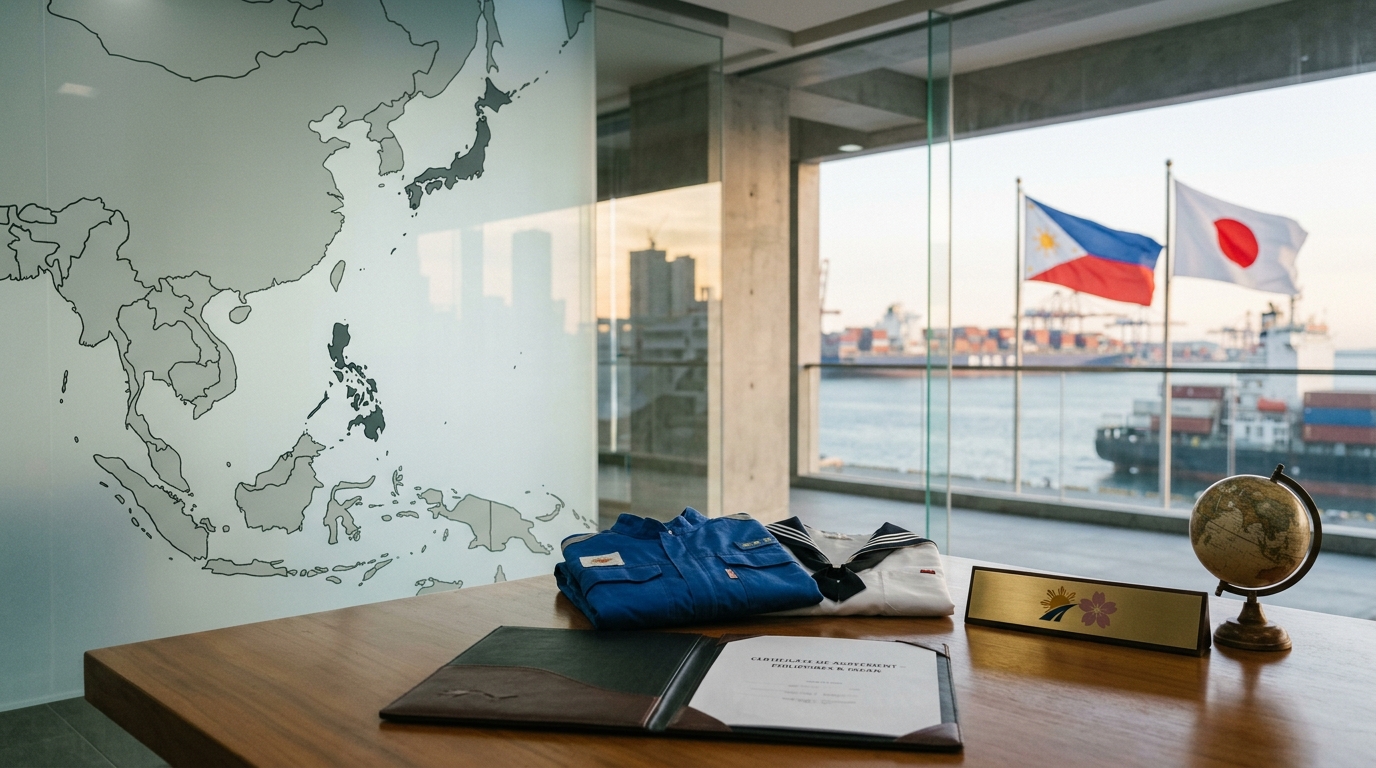
Japan — President Ferdinand Marcos Jr. recently delivered a significant assurance to Filipino workers residing in Japan, stating unequivocally that "the government has your back." This declaration, made public through The Global Filipino Magazine, reiterates the administration's commitment to safeguarding the welfare and interests of its citizens employed abroad. While specific details regarding new policies or initiatives were not outlined in the initial report, the statement itself carries considerable weight for the substantial Filipino diaspora contributing to Japan's economy.
Combating Exploitation and Streamlining Consular Protections
The Philippines relies heavily on the remittances sent by its overseas foreign workers (OFWs), making their protection and well-being a paramount concern for the government. For Filipinos working in Japan, this presidential assurance could signal a renewed focus on issues such as labor rights, fair employment practices, and access to consular services. Many OFWs often face challenges ranging from cultural adjustment and language barriers to potential exploitation or difficulties in navigating legal frameworks in a foreign land.
Elevating Diaspora Trust and Optimizing Bilateral Labor Treaties
For the countless Filipino families back home, the safety and security of their loved ones working overseas are constant concerns. A presidential promise of support offers a sense of reassurance, highlighting that their contributions are recognized and valued at the highest levels of government. This sentiment is crucial for maintaining morale and trust, especially given the socio-economic impacts of the global pandemic on international labor markets. Furthermore, a strong government stance on OFW welfare can bolster the Philippines' position in bilateral labor agreements, potentially leading to better working conditions and expanded opportunities for its citizens seeking employment in Japan.
Evaluating Legal Assistance, Reintegration Initiatives, and Emergency Repatriation
While the presidential assurance is a welcome development, Filipinos in Japan and their families should remain attentive to the concrete actions that will follow. It is essential to understand what "having their back" specifically entails in terms of policies, programs, and accessible support channels. Workers should look for clarity on enhanced legal assistance, improved repatriation services, mental health support, and initiatives for skills development or reintegration. Staying informed through official government channels and Filipino community organizations will be vital for understanding how these assurances translate into tangible benefits and protections in their everyday lives.