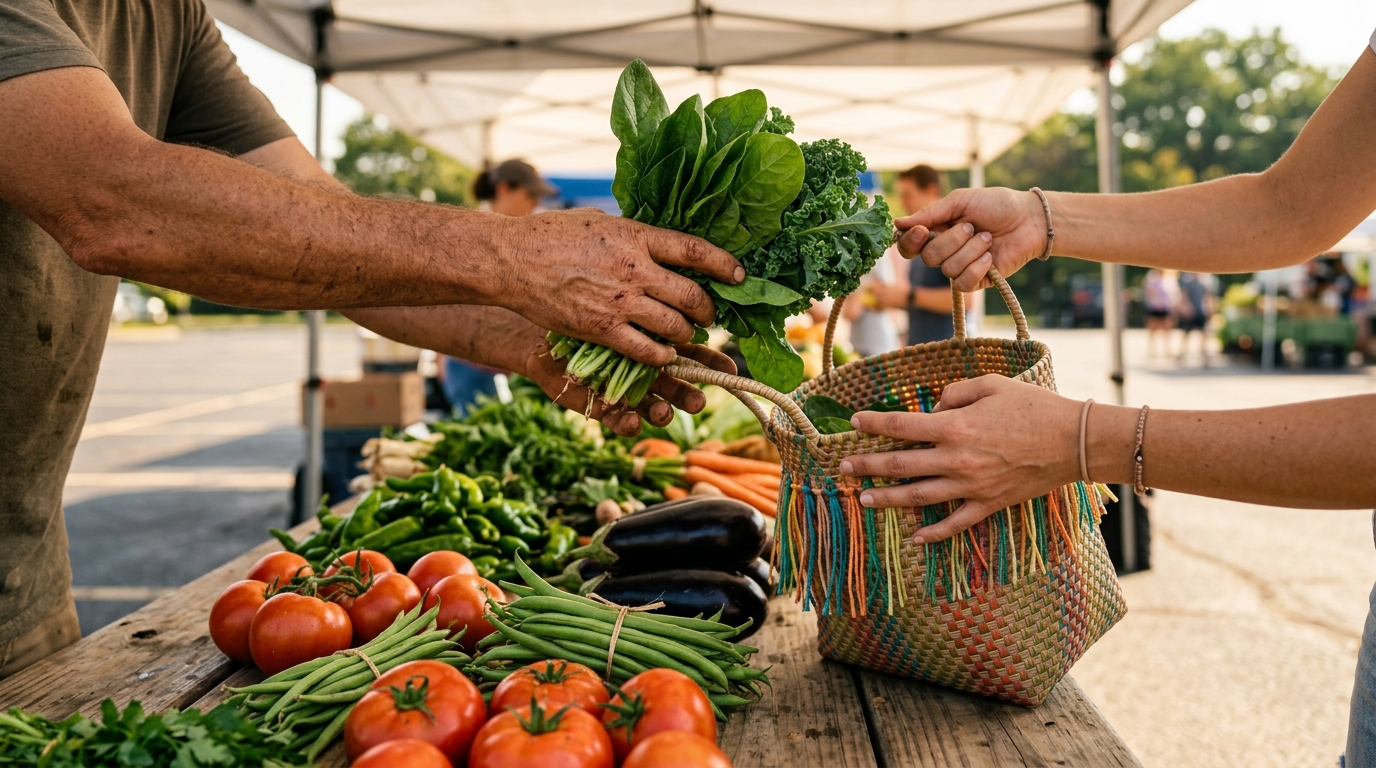
OTON, ILOILO — On May 15, 2026, the ground floor of Vista Mall Iloilo transformed into something rarely seen in the province's commercial corridors: a bustling weekend market where tomatoes still carried the morning dew and the farmers who grew them stood behind the stalls. The Extended Weekend Farmers' Market, a partnership between Vista Mall Iloilo and the Iloilo Provincial Government, opened its doors for the first of five weekends, bringing together farmers, consolidators, and local producers in a climate‑controlled, accessible venue. By the time the first Saturday crowd dispersed, the market had already done what no government program could fully engineer on its own: it had connected the hands that harvest with the wallets that buy.
The market's format is simple but significant. Every weekend from Thursday to Saturday through June 14, 2026, vendors occupy dedicated spaces inside Vista Mall Iloilo, offering fresh farm products, local goods, and regional specialties directly to consumers. The Iloilo Provincial Government, which organized the initiative in partnership with Vista Mall Iloilo, Georgia Estate, and the Department of Agriculture, designed the market as a direct response to a persistent structural problem: farmers and bolanteros, the province's transient vendors, often lack stable, sanitary, and accessible trading spaces. By embedding the market inside a commercial mall, the partnership bypasses the logistical barriers that have historically made it difficult for rural producers to reach urban consumers.
A Governor's Vision Takes Commercial Form
The Extended Weekend Farmers' Market did not emerge from a vacuum. On April 15, 2026, Governor Arthur Defensor Jr. sat with representatives of Vista Land to discuss the possible establishment of a food terminal in Oton. The talks, while still exploratory, centered on creating a dedicated market hub where farmers could sell directly to the public without the intermediation of wholesalers who capture the largest share of the final price. "The governor also floated the idea of piloting a weekend flea market within the area, although he stressed that any future development should remain orderly, clean, and accessible to the public," provincial officials noted after the meeting.
The May 15 launch represents the pilot that the April discussions previewed. Defensor has been explicit about his administration's agricultural strategy: create market access, and the productivity gains will follow. The weekend market at Vista Mall Iloilo, by offering a clean, organized, and professionally managed venue, gives farmers a trading environment that commands consumer trust. For the bolanteros who have historically sold produce from pushcarts and roadside stalls, the transition to a mall‑based market represents a significant upgrade in visibility, foot traffic, and sales potential.
Beyond the Market: A Province‑Wide Push for Direct Trade
The Oton market aligns with a broader provincial strategy that has been gathering momentum across multiple fronts. The Regional Development Council recently approved Resolution No. 23, mandating the use of locally produced farm products in all government‑funded events across Western Visayas. The KADIWA program, which links producers directly to consumers, has received over ₱58 million in grants across the region for the establishment of stores, food processing centers, and storage facilities. The Department of Agriculture has released ₱37.9 million worth of farm equipment to farmer and fisherfolk associations in the province.
Each of these initiatives, while distinct, shares a common architecture: they bypass the layers of intermediation that inflate retail prices and compress farmgate earnings. The weekend market at Vista Mall Iloilo is the most visible consumer‑facing expression of this strategy—a place where the province's agricultural policy becomes tangible, browseable, and purchasable.
For the families who shop at Vista Mall Iloilo, the market adds a dimension that the mall's standard retail mix cannot replicate. The produce on display carries a provenance: the onions from Miagao, the vegetables from Oton's own farms, the fruits from the province's interior barangays. For the farmers who staff the stalls, the market provides something equally rare: a direct line to consumers who are increasingly willing to pay for freshness, quality, and the knowledge that their pesos are reaching the people who earned them. As the market continues through mid‑June, the province will be watching closely—not only to count the sales, but to measure the strength of the connection between the farm and the fork.