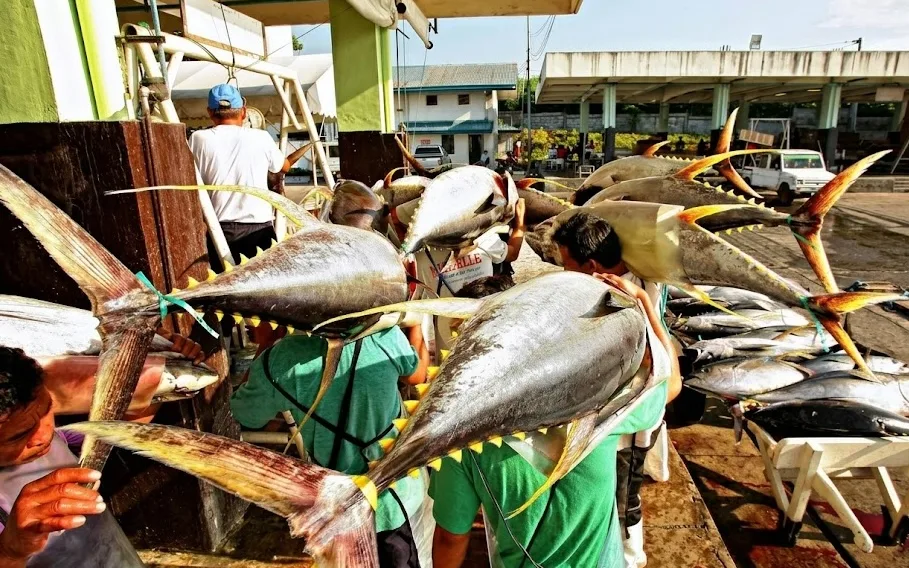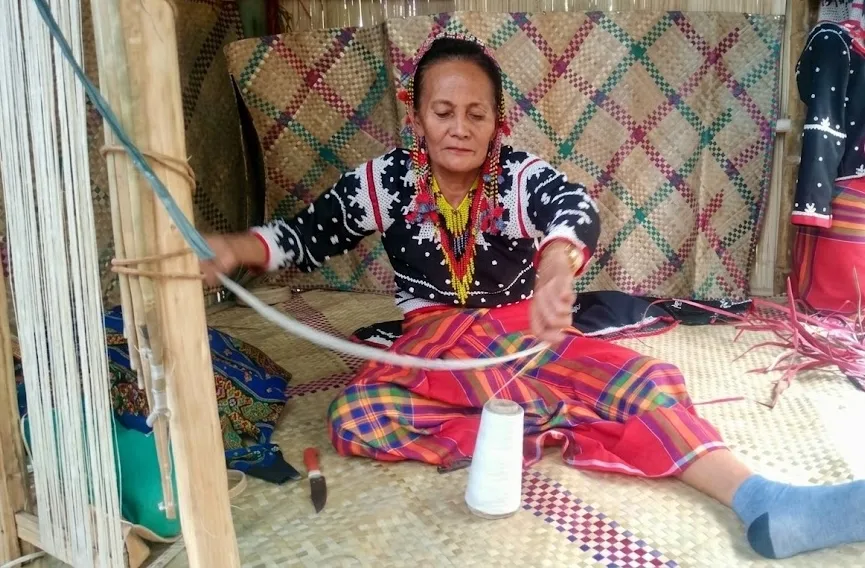
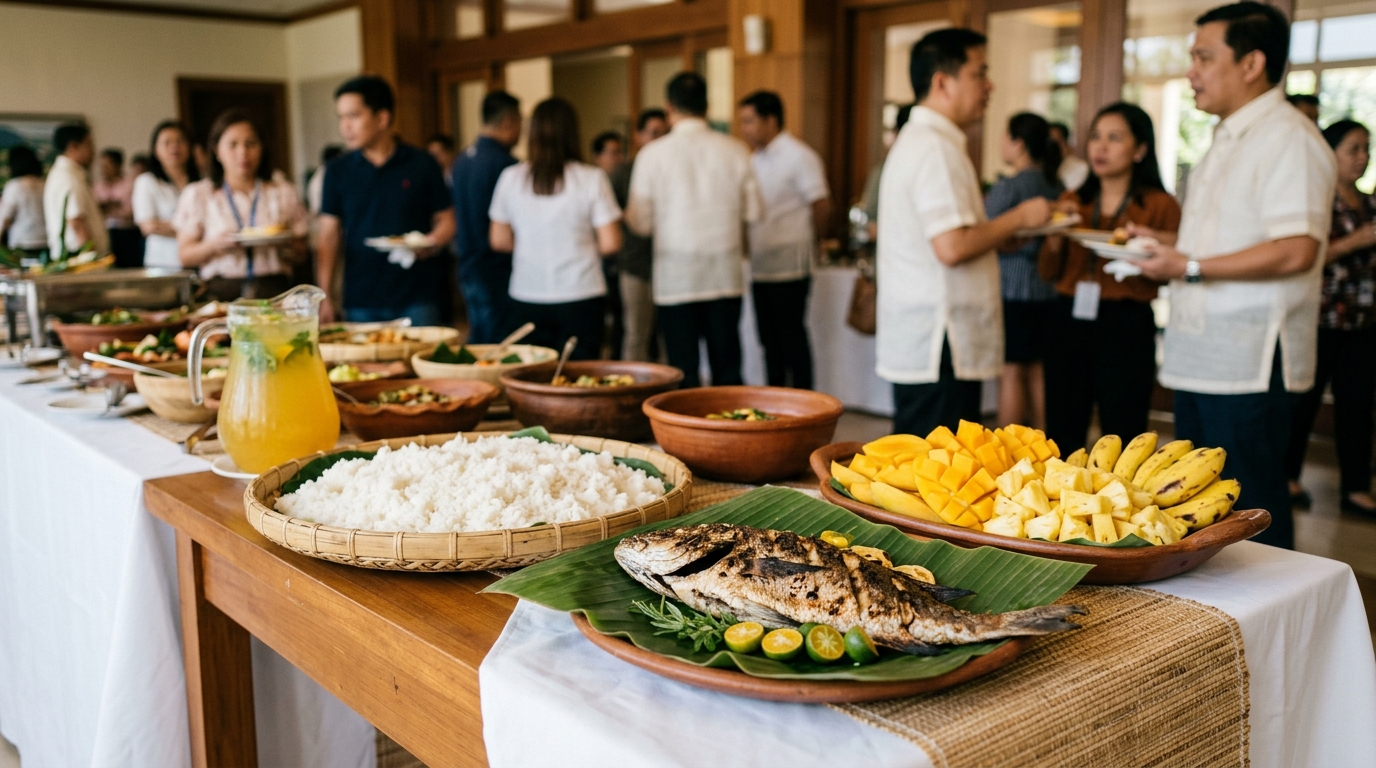
ILOILO CITY — Every government‑funded training, conference, and luncheon in Western Visayas will soon taste unmistakably of home. On May 19, 2026, the Regional Development Council approved Resolution No. 23, Series of 2026, which strongly urges all local government units, national government agencies, and state universities and colleges across the region to serve only locally produced rice, fish, and agricultural products during official activities. The resolution transforms every government‑catered meal into a direct lifeline for the region's farmers and fisherfolk—a guaranteed market that no price fluctuation can erode and no imported substitute can displace.
The RDC's action specifically directs caterers and venue service providers engaged for government‑funded gatherings to use locally sourced ingredients. This channels one of the most stable and predictable consumption streams in the regional economy toward the producers whose labor sustains it. The resolution arrives as a counterweight to the continued influx of imported food products that have long undercut local farmgate prices. By harnessing the collective purchasing power of the public sector, the RDC has effectively created a demand floor that promises to stabilize incomes, encourage productivity, and reward the hands that till Panay's soil and cast its nets.
“Buy Local, Support Local” Gains Institutional Muscle
The Department of Agriculture Region 6 swiftly welcomed the resolution, describing it as a "huge win" for local producers and a major reinforcement of Republic Act No. 11321, the Sagip Saka Act. That law, signed in April 2019, mandates government agencies and local government units to buy directly from accredited farmers and fisherfolk cooperatives, eliminating middlemen and increasing producers' income. "Kapag local ang sinerve sa government events, local communities din ang panalo. More support, more income, more chances para sa mga magsasaka at mangingisda natin," DA‑6 said in a statement released alongside the RDC announcement.
DA‑6 Regional Executive Director Dennis Arpia has been driving a "buy local, support local" advocacy focused on increasing consumption of regionally produced goods, and the RDC resolution gives that campaign the weight of a formal inter‑agency mandate. DA‑6 regional information officer James Earl Ogatis explained that the campaign extends beyond rice to include corn, calamansi juice, coffee, fish, and other locally produced goods. The agency had already implemented its own internal policy after Arpia issued a memorandum last year prohibiting the serving of soft drinks during agency activities and replacing them with locally produced juices—a small but symbolic shift that demonstrated the feasibility of institutional food reform.
Ogatis framed the resolution in language that was both an appeal and a rallying cry. "Ma‑amat‑amat naton pabugtaw ang aton mga consumers ilabi na gid ang aton mga institutional buyers nga indeed ang produkto sang aton mga mangungoma diri sa Western Visayas amo gid aton i‑consume kag baklon bisan may influx sang importation," he said. The Hiligaynon phrasing captures something translation softens: a call to awaken institutional buyers to the reality that the rice on their tables should come from the paddies of Panay, not the ports of Saigon or Bangkok. The agency has been visiting provinces and municipalities across the region to encourage direct procurement from farmers and fisherfolk, and the resolution now gives those visits the force of a regional mandate.
A Regional Architecture Built on Shared Plates
The economic logic is as nourishing as the meals it governs. Government‑funded activities—from regional development meetings to barangay‑level workshops—involve the purchase of food on a scale that, when aggregated, represents a significant and reliable source of demand. By channeling that demand exclusively to local producers, the resolution effectively creates a guaranteed market that can stabilize farm incomes and incentivize productivity improvements. Ogatis emphasized that the direct procurement model can create employment and increase income for local farmers and fisherfolk by linking them to institutional buyers without the intermediation of traders and wholesalers who typically capture a disproportionate share of the final price.
The Sagip Saka Act provides the legal foundation, but the RDC resolution provides the operational muscle. The law mandates direct procurement; the resolution ensures that every government‑funded gathering in Western Visayas is a venue for compliance and a celebration of local bounty. Together, they form a regional architecture that treats the public sector not as a regulator of agricultural markets but as a participant in them—one whose purchasing decisions can uplift entire farming communities, one catered meal at a time. For the farmer who harvests rice in Pototan, the fisherfolk who cast their nets in Estancia, and the vegetable grower who tends terraces in Leon, the message from the RDC is now unmistakable: when the government gathers, it gathers around your table.