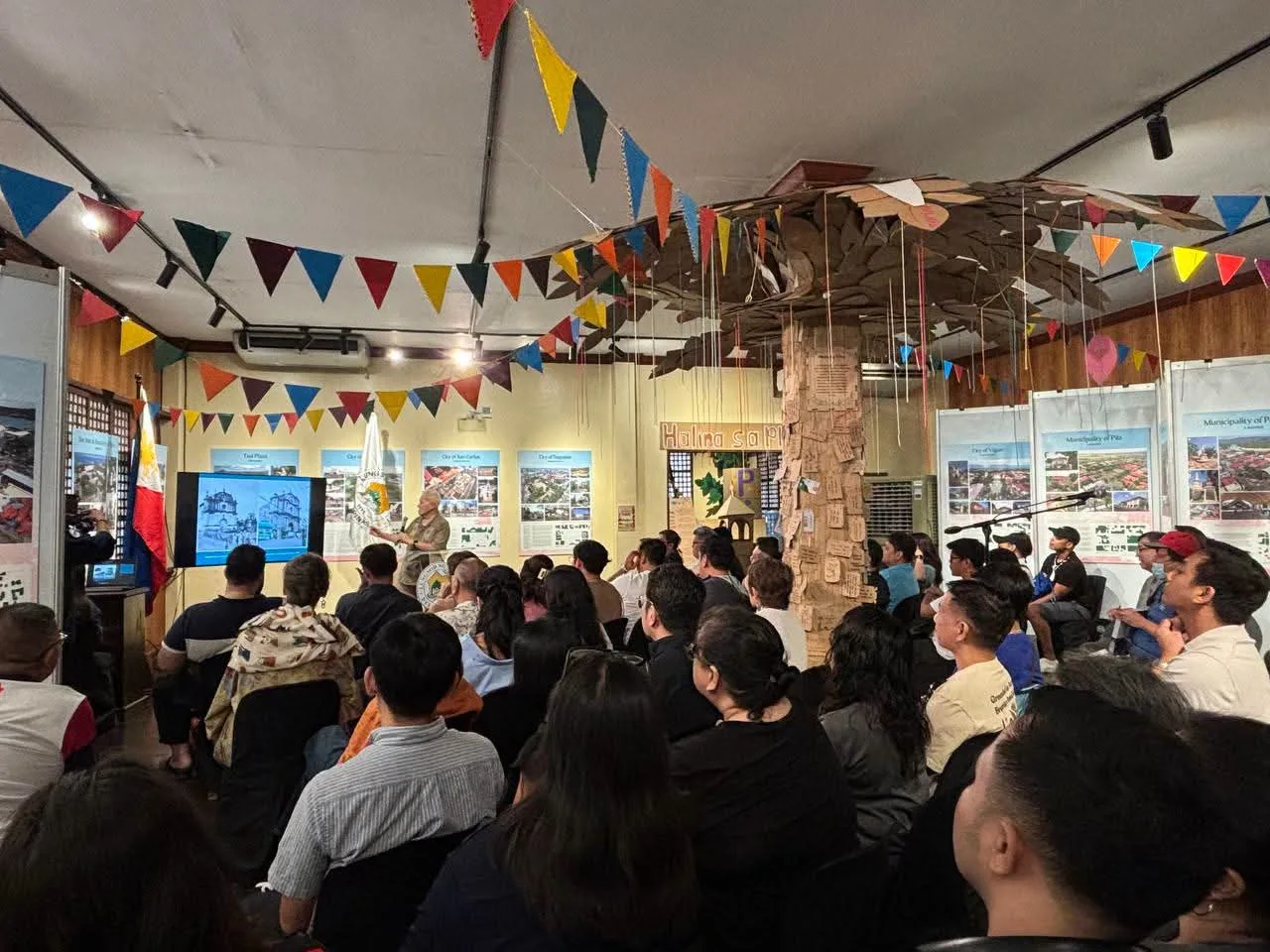
MAKATI CITY — The Museo ng Makati, through the City Government of Makati's Museum and Cultural Affairs Office, recently organized "Tara sa Plaza: A Lecture on Plazas in the Philippines," featuring renowned landscape architect and heritage advocate Paulo Alcazaren. The event gathered students, heritage advocates, and members of the public to explore the historical, cultural, and social importance of plazas in shaping communities across the Philippines.
Understanding the Role of Philippine Plazas
During the lecture, Alcazaren discussed how public plazas have served as the heart of many Filipino communities throughout history. From the Spanish colonial era to the present, these open spaces have functioned as venues for civic activities, cultural celebrations, and social interaction. He also highlighted how many significant historical events unfolded in these plazas, making them enduring symbols of the country's shared heritage and collective identity.
Preserving Spaces That Connect Communities
A key focus of the discussion was the need to protect and preserve public plazas as important cultural landmarks. Alcazaren emphasized that these spaces are more than architectural features, they are places where traditions are passed on, communities gather, and cultural identity continues to thrive. Safeguarding these heritage sites helps ensure that future generations can appreciate their historical and social value.
Promoting Heritage Awareness in Makati
The lecture forms part of Makati's continuing efforts to promote cultural education and heritage conservation. By hosting programs that encourage public appreciation of the country's historical landmarks and cultural traditions, the city continues to strengthen awareness of the places and stories that shape the Filipino identity.