The Harbor Wakes Before the City Does
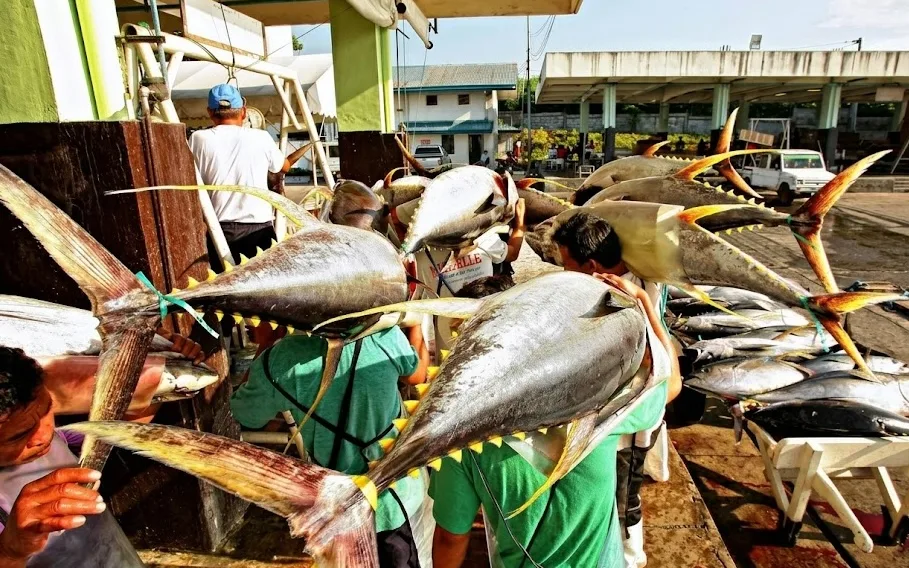
GENERAL SANTOS CITY - Long before restaurants prepare their first meals and markets welcome customers, activity is already underway along General Santos City's fisheries sector. Fishing vessels return with their catch while workers sort, inspect, transport, process, and distribute seafood destined for homes and businesses across the Philippines and international markets. Every stage depends on coordination among fishermen, port personnel, processors, traders, and logistics providers. This continuous rhythm has become part of the city's character. Rather than being defined solely by commerce, General Santos reflects a community where countless professions work together to sustain one of the country's most recognized seafood industries.
A Reputation Earned Through Generations
The title "Tuna Capital of the Philippines" did not emerge overnight. It developed through decades of investment in fisheries, food processing, cold storage, export capability, and skilled labor. Families have passed down knowledge of fishing, seafood handling, entrepreneurship, and maritime work from one generation to the next, creating an industry supported by both experience and innovation. At the same time, restaurants, local markets, tourism businesses, and culinary festivals have transformed tuna into a symbol of the city's identity. The result is a reputation built not by marketing alone but by consistent dedication to quality and craftsmanship.
More Than Seafood, It Is a Community Mindset
Visitors often arrive expecting exceptional tuna dishes, but many leave remembering something else—the warmth of the people behind the experience. The Tuna Capital Spirit is reflected in market vendors proudly explaining their products, restaurant owners serving regional specialties, entrepreneurs expanding seafood businesses, and workers whose daily efforts sustain the local economy. This collective pride has helped General Santos become more than a destination for food enthusiasts. It is a city where industry and community grow together, demonstrating that the strongest local identity is created not by a famous product, but by the people who continue to believe in it.