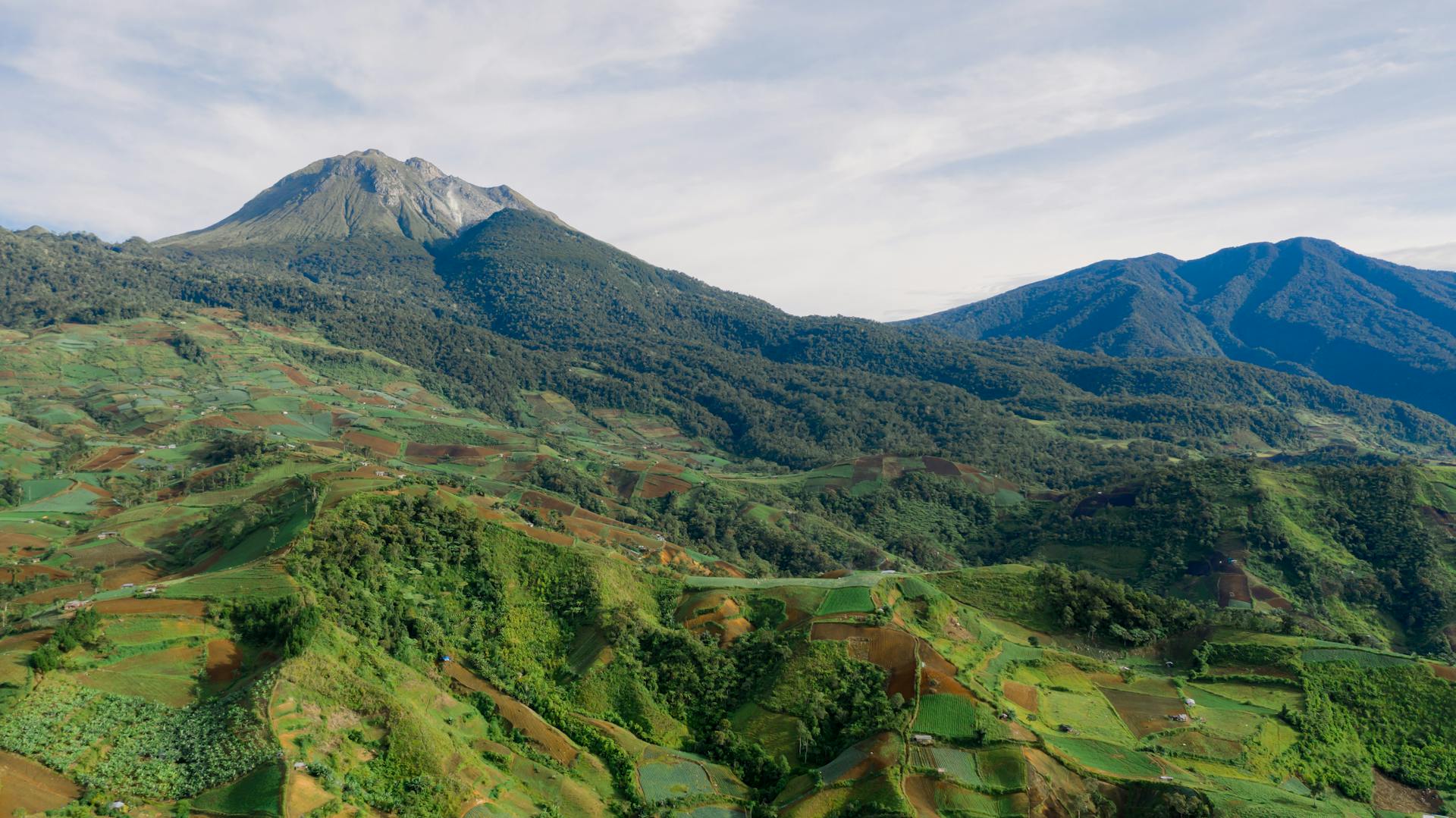
DAVAO CITY — The country's highest mountain is now off limits to trekkers, but the three‑month closure is a deliberate act of care. The Department of Environment and Natural Resources – Davao Region announced that Mt. Apo Natural Park is closed to all visitors from June 1 to August 31, 2026, as part of its annual off‑season shutdown. The Protected Area Management Board approved the closure to allow the mountain's ecosystems to rest and recover.
The measure prohibits all trekking and camping activities inside the park. The closure is simultaneously enforced by DENR‑Region 12, which shares boundaries with Mt. Apo. The three‑month respite is designed to ensure the rehabilitation, disaster prevention, and biodiversity preservation of the 2,954‑meter peak. For the tourism sector, the closure is an investment in the mountain's long‑term appeal as a premier eco‑tourism destination.
A Pause That Protects
Mt. Apo was declared a protected area under the National Integrated Protected Areas System Act and is recognized internationally as an ASEAN Heritage Park. Its fragile ecosystems include mossy forests, volcanic landscapes, and rare wildlife such as the Philippine eagle. The annual closure prevents soil erosion, allows trails to recover from heavy foot traffic, and protects wildlife during critical breeding periods.
For the adventure tourism industry, the closure ensures that when the mountain reopens in September, its trails remain safe and its natural beauty intact. The PAMB resolution reflects a broader global trend among protected area managers who are using seasonal closures as a tool for sustainable tourism management. Rather than allowing unregulated access year‑round, the park authorities are prioritizing the health of the landscape.
A Deliberate Investment in the Future
The closure also aligns with DENR's commitment to balancing tourism revenue with environmental stewardship. Mt. Apo generates significant income for local communities through trekking fees, guide services, porterage, and homestay programs. Protecting the mountain's ecosystems secures those livelihoods for future generations. The three‑month closure is not a loss but a deliberate investment.
As the summer trekking season gives way to the rainy months of June through August, the closure also serves a practical safety function. Mountain trails become slippery and dangerous during heavy rains, increasing the risk of accidents. The policy protects both the environment and the visitors who will return when conditions improve. By September, the mountain will be ready to welcome climbers again, its trails rested and its ecosystems renewed.