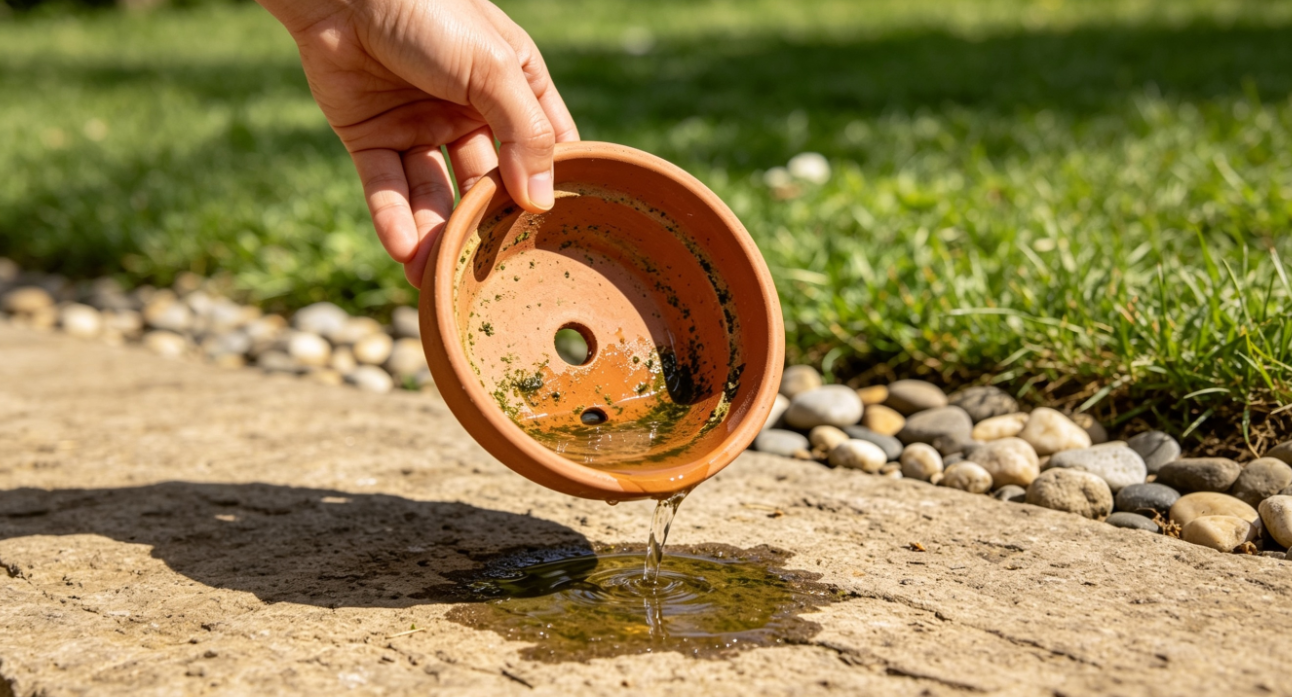
MAKATI CITY — As the rainy season begins and the observance of National Dengue Awareness Month approaches this June, the Makati City government has intensified its annual anti-dengue campaign, mobilizing health personnel, community volunteers, and barangay officials to help eliminate mosquito breeding sites throughout the city. The initiative aims to prevent a rise in dengue cases and protect vulnerable groups, particularly children and senior citizens. Health authorities are encouraging residents to regularly inspect their homes and surroundings for stagnant water that may accumulate in common household items such as buckets, flower pots, planters, old tires, and other containers. By removing these potential breeding grounds, the city hopes to reduce mosquito populations before transmission rates increase during the rainy months.
Implementing the DOH’s 4S Strategy
Makati’s dengue prevention efforts are guided by the Department of Health’s established 4S strategy. The first component, “Search and destroy,” focuses on routine clean-up activities that eliminate mosquito breeding habitats. The second, “Self-protection,” encourages residents to wear long-sleeved clothing and use insect repellents to avoid mosquito bites. The third component, “Seek early consultation,” reminds individuals to immediately visit health centers if they experience symptoms such as fever, headache, or joint pain. The final component, “Support fogging and spraying,” is implemented only in identified hotspot areas where a rise in dengue cases has been recorded.
Clean-Up Operations and School Protection Measures
To strengthen prevention efforts, personnel from the Makati Health Department, the Department of Environmental Services, and various city offices have been conducting inter-department clean-up drives across different barangays. These activities focus on clearing drainage systems, streets, vacant lots, and other areas where water may collect. Preventive space misting has already been carried out at the Makati Integrated School to help protect students and teachers as the academic year progresses. Meanwhile, households throughout the city have received anti-dengue kits containing larvicide and educational materials, giving families the tools and information needed to take preventive action within their homes.
Community Participation Remains Essential
Local health workers have also been conducting house-to-house information campaigns to educate residents on identifying and eliminating hidden mosquito breeding sites. Barangay officials have been tasked with organizing weekly clean-up activities and reporting potential dengue hotspots to the city health office. Through active community involvement, the city hopes to reduce dependence on fogging and spraying, which remain measures of last resort. Makati continues to emphasize that dengue prevention is a shared responsibility, where simple actions, such as covering water containers or emptying stagnant water, can significantly contribute to the safety of the entire community.
Working Toward a Safer and Healthier Rainy Season
With rainfall expected to become more frequent in the coming months, Makati’s proactive dengue prevention program serves as a model for urban health management. By combining government-led initiatives with strong community engagement, the city aims to maintain its reputation as one of the country’s safest metropolitan areas. Residents are encouraged to immediately report dengue-like symptoms to their nearest barangay health center and actively participate in scheduled clean-up activities. Through collective action and sustained vigilance, Makati hopes to achieve zero dengue deaths while creating a healthier and safer environment for all residents.