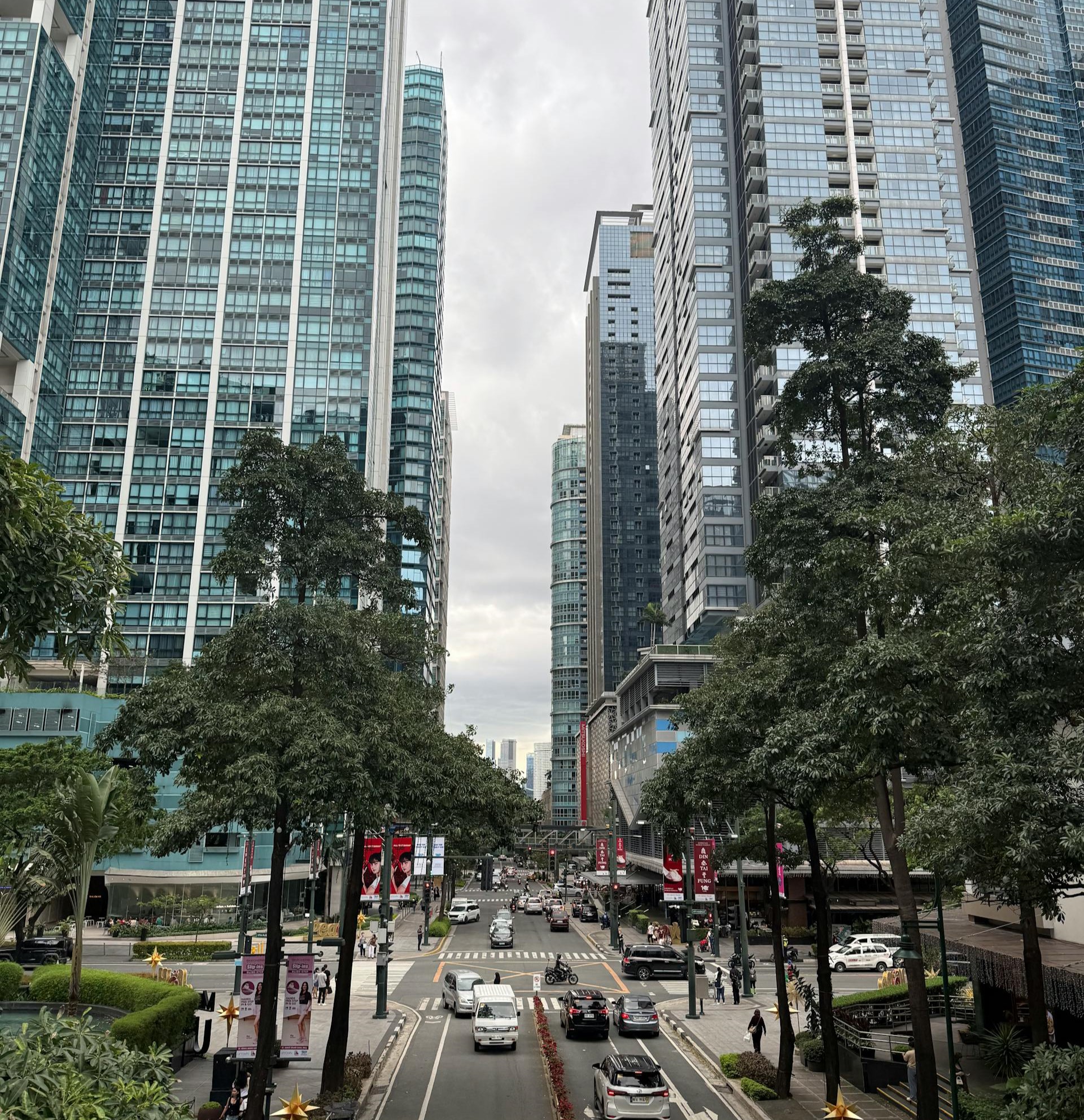
MAKATI CITY — Commercial landlords and residential investors who have been quietly bracing for the full impact of the Real Property Valuation and Assessment Reform Act may soon receive the most significant fiscal relief in the city’s modern history. Speaking before the Rotary Club of Makati during her 8th State of the City Address on May 7, 2026, Mayor Abigail Binay announced that she has ordered a comprehensive review of the city’s tax structure, specifically examining the feasibility of lowering the Real Property Tax and other local taxes. “To our partners in the business community, your steadfast support has been integral to our city's growth. In recognition of this, I have ordered a comprehensive review on the possibility of lowering the Real Property Tax and other local taxes,” Binay said.
The announcement marks a potential watershed for the country’s premier financial district. Under the national RPVARA, property valuations across the Philippines are being aligned with current market values for the first time in decades. Without local intervention, Makati property owners could face assessment increases of up to 1,000 percent or more. Mayor Binay, however, framed the review as both timely and fiscally responsible, citing a colossal structural windfall: the removal of subsidies to the Embo barangays, which previously cost the city approximately ₱7.9 billion annually. “The lowering of RPT has become timely and feasible, considering the savings that will accrue to the city with the removal of subsidies,” she said.
A Tax Cut Engineered from a Budgetary Windfall
The fiscal arithmetic behind the announcement is straightforward. The Supreme Court’s 2024 ruling that transferred the ten Embo barangays to Taguig City did more than redraw the map; it freed nearly eight billion pesos in annual spending that Makati no longer shoulders. Rather than absorbing those savings into general appropriations or launching new spending programs, the mayor signaled that a portion of that fiscal headroom should be returned to property owners. This approach mirrors the economic logic that has governed Makati’s tax policy since the RPVARA loomed on the legislative horizon: protect the property market by containing the assessed‑value shock.
The ordinance made substantial headway. By combining an early‑payment discount with a targeted relief on land taxes, the effective savings for non‑delinquent residential taxpayers reached 25 percent. For a homeowner paying ₱100,000 in annual RPT, that translated to ₱15,000 in yearly savings over a three‑year period; for commercial property owners, the savings could reach ₱75,000 annually. Mayor Binay described the measure as the product of exhaustive fiscal modeling. “After careful review and comprehensive study, we recognized that our taxpayers need genuine, meaningful relief,” she said, adding that the relief “demonstrates our commitment to easing the financial burden on Makati residents while maintaining fiscal responsibility and sustaining essential public services.”
A Regulatory Hedge Against the RPVARA Cliff
Makati’s tax‑relief trajectory is unfolding against the most significant overhaul of property valuation in a generation. The RPVARA, signed into law by President Ferdinand R. Marcos Jr., mandates that local government units adopt a single, market‑based Schedule of Market Values—replacing the patchwork of outdated assessments that have historically kept Makati’s tax base artificially compressed. Without countervailing local legislation, the transition could have produced assessment increases of 1,000 percent or more for certain parcels. In July 2025, Councilor Martin Arenas warned of the consequences: “If they had not passed the ordinance reducing the RPT by 20 percent, Makati property owners would see their assessments increase by 1,000 percent or more in 2026.”
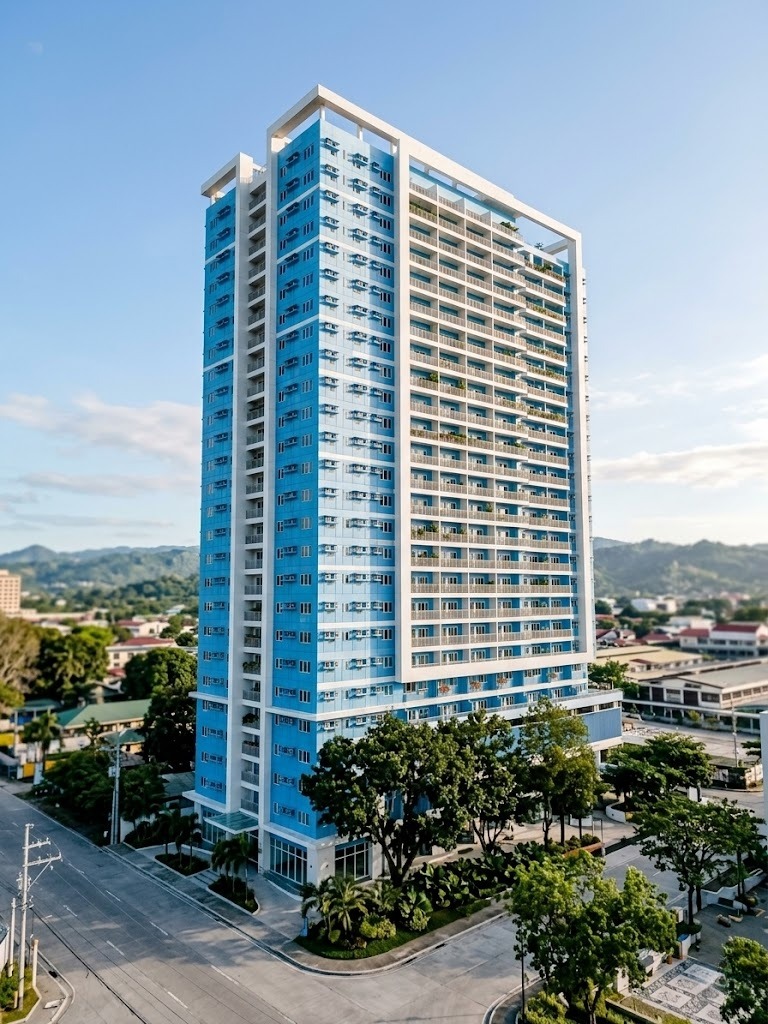
The comprehensive review announced during the 2026 SOCA goes a step further. Instead of merely cushioning the RPVARA’s impact, the city is now actively exploring whether the tax rate itself can be reduced—a structural adjustment that would permanently lower the carrying cost of real estate in the Makati CBD, Rockwell, and the city’s residential villages. For the institutional investors, REIT managers, and multinational occupiers who govern Makati’s commercial property market, that distinction—between a temporary discount and a permanent rate reduction—is the difference between a one‑off earnings bump and a durable increase in asset value.
What This Means for the Country’s Densest Real Estate Market
Makati’s property landscape has long been defined by a paradox: it is the country’s most valuable real estate, but it operates within a tax regime that is about to be redefined. The city’s shift toward a cleaner, business‑friendly fiscal environment already includes the full operationalization of Makati Life Medical Center and the forthcoming Makati Columbarium, infrastructure that layers health security and quality‑of‑life amenities onto the city’s existing advantages. The mayor also highlighted the impending introduction of electric vehicles to the city’s fleet as part of Makati’s green initiatives, signaling that the city is simultaneously pursuing sustainability and fiscal modernization.
For property owners who have spent the past two years navigating uncertainty about their post‑RPVARA tax obligations, the 2026 SOCA offered the clearest signal yet that the city government views real estate not as a revenue source to be maximized at all costs but as a partnership to be sustained. The comprehensive review of the real property tax and other local levies will not conclude overnight. But for the thousands of landlords, lessees, and investors who call Makati home, the direction of travel is finally legible. And it points toward a city where the cost of owning property is set to decline, even as the value of the land beneath it continues to rise.