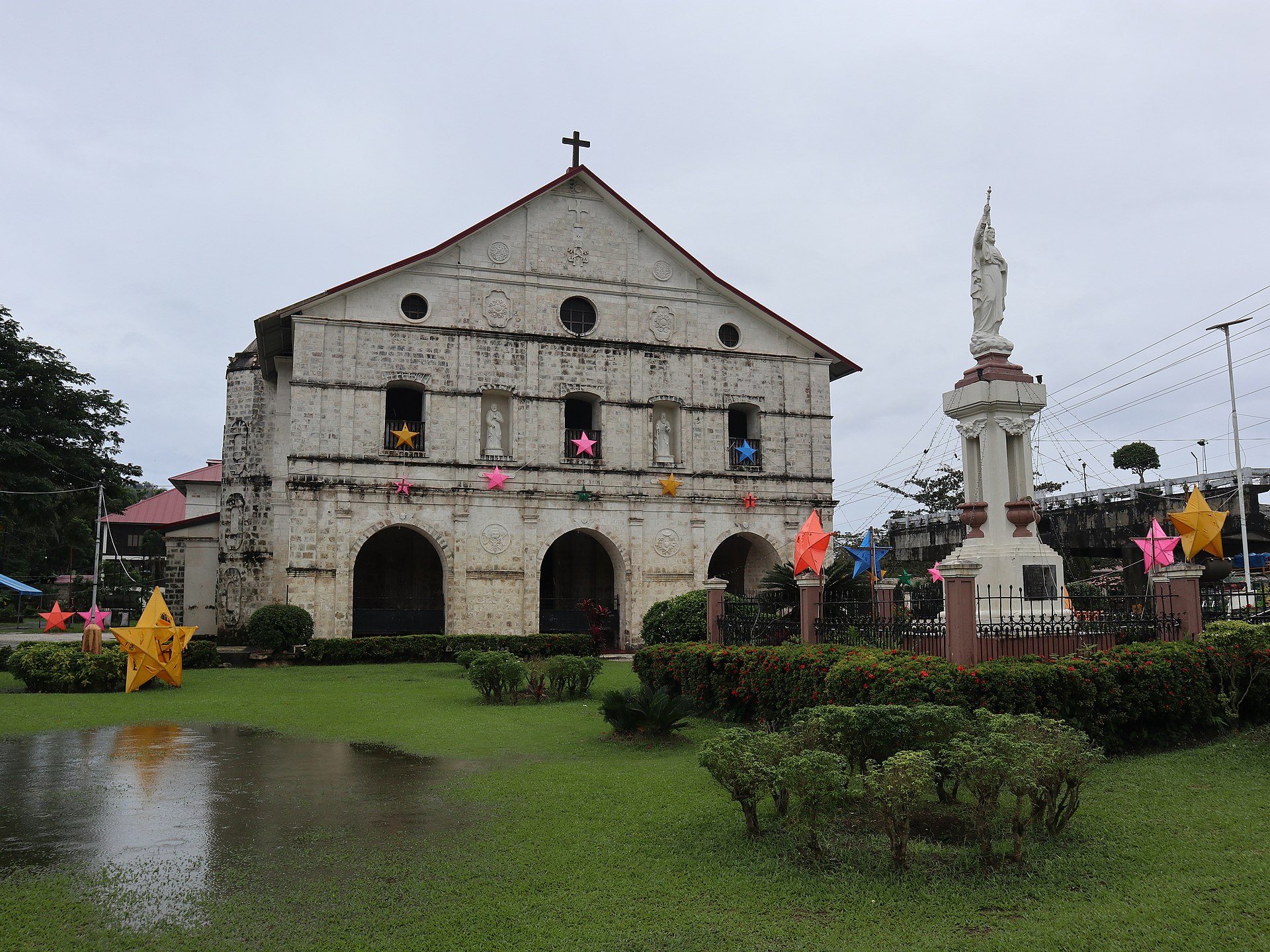
LOBOC, BOHOL — Devotees filled the historic St. Peter the Apostle Parish Church on Sunday, swaying before the revered image of Our Lady of Guadalupe de Extremadura during Loboc town’s 183rd fiesta celebration. The ancient Bolibongkingking ritual once again transformed the church grounds into a living sanctuary of prayer and culture.
A Dance That Prays
Drums and gongs echoed off the stone walls as men, women, and children moved in gentle, rhythmic unison. Some clutched flickering candles, others pressed handkerchiefs to their chests, and many lifted infants toward the Virgin’s image, silently pleading for healing and protection.
The Bolibongkingking is far more than performance. It is prayer set to motion, a sacred tradition that has endured since 1843. Dancers circle the caro, the carriage bearing the patron saint, offering their joys and burdens through every sway and step.
Generations of Lobocanons have kept this ritual alive. Today, it stands as one of the most compelling expressions of Boholano faith, drawing not only pilgrims but travelers hungry for authentic cultural encounters.
A First Dance of Peace
Among the crowd, first-time dancer Vera Villocido stepped into the circle. The 59-year-old educator from Tagbilaran joined fellow researchers Rosalina Sarabosing-Rara and Maria Lourdes Culpa in the ancient rite.
Villocido described the Bolibongkingking as a profound source of peace and tranquility. In a world full of pressures and uncertainty, the dance became her release and renewal. For her, it was never about showmanship—it was pure, honest prayer.
Around her, other devotees touched aching parts of their bodies as they danced, believing in the Virgin’s power to heal. The entire churchyard became a tapestry of human vulnerability and hope, woven together by a centuries-old rhythm.
A Magnet for Cultural Tourism
Beyond its deep religious roots, the Bolibongkingking has emerged as a powerful draw for cultural tourism. Visitors who seek meaningful experiences find themselves immersed in a ritual no museum exhibit can replicate.
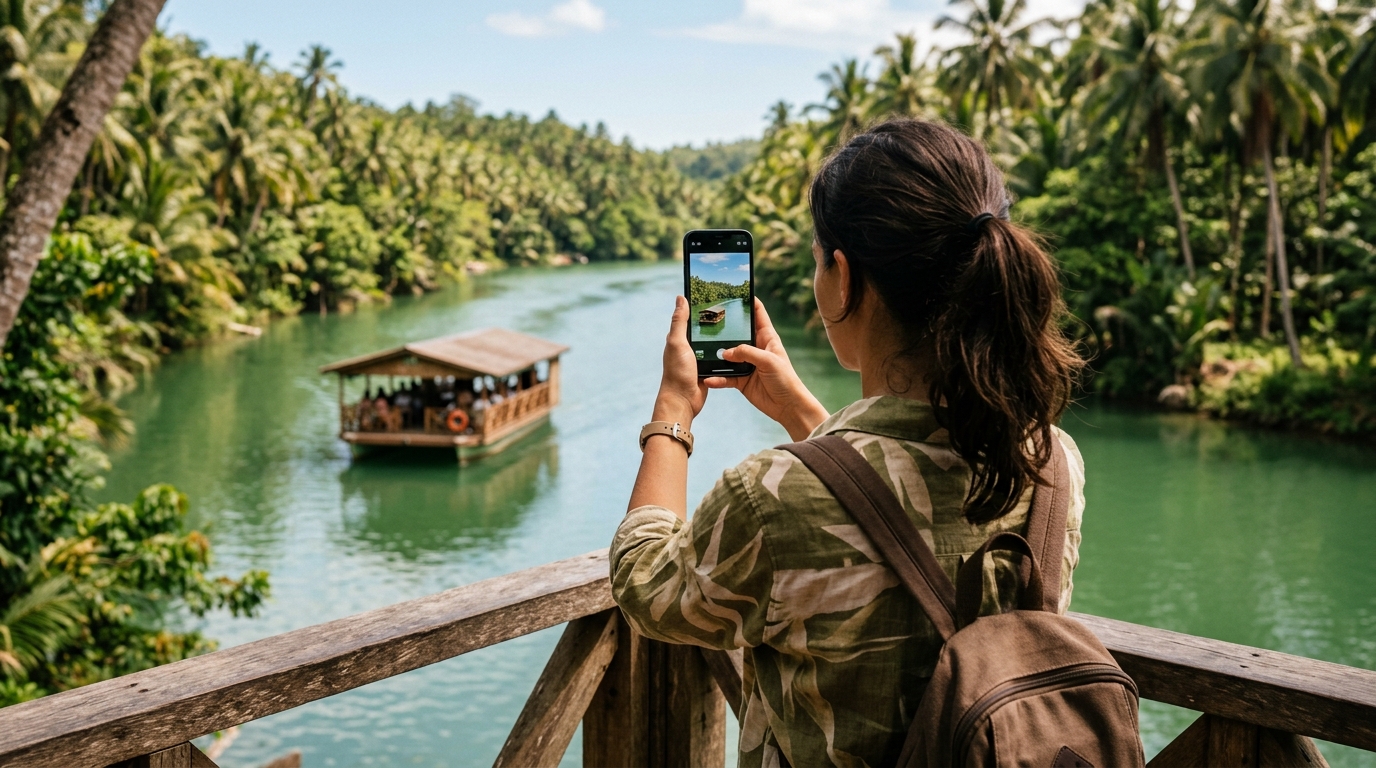
Local advocates see the fiesta as essential to Loboc’s identity, complementing the town’s famous river cruises and historic churches. The event showcases Bohol’s intangible heritage, inviting outsiders to witness a faith tradition that sways with history.
As the final drumbeats faded and the last dancers whispered their petitions, Loboc had done more than celebrate a fiesta. It had opened a window into the soul of Bohol, offering the world an invitation to listen, to move, and perhaps to believe.