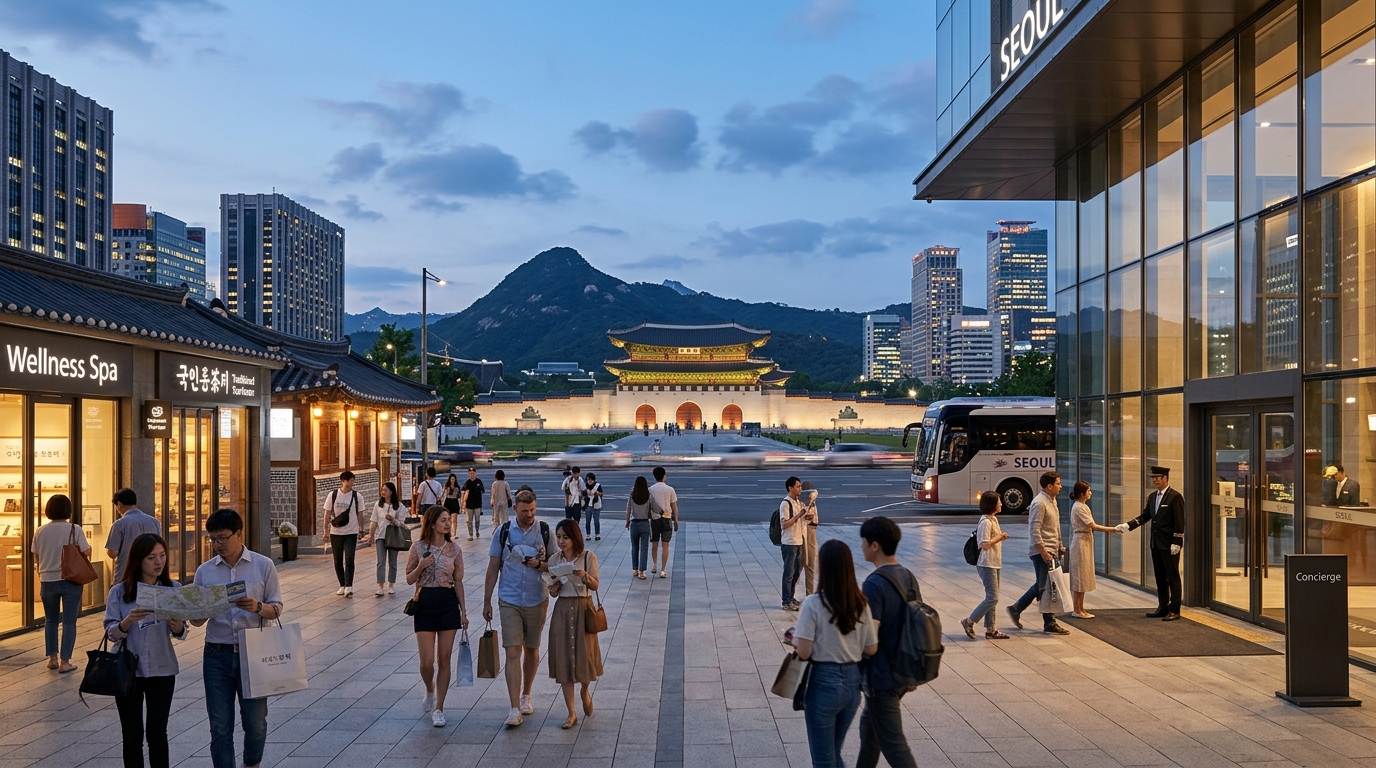
South Korea — South Korea's capital, Seoul, is set to become Asia's premier tourism destination by April 2026, marking a significant shift in the regional travel landscape. This projection highlights a surge in visitors, particularly from China, who are now poised to overtake traditional tourist sources like the United States, Japan, Taiwan, and notably, the Philippines, as the primary inbound market. The anticipated boom, as reported by Travel And Tour World, is expected to fuel growth in wellness travel, cultural experiences, and visits to both iconic and emerging districts across the city.
Scaling Hospitality Capacity and Driving Service Sector Employment
This forecast indicates a robust future for Seoul's tourism sector, driven by an increasing global appetite for unique cultural immersion and health-focused getaways. Such growth historically translates into increased demand for services across hospitality, retail, and entertainment industries. For the thousands of Filipinos living and working in South Korea, particularly Overseas Filipino Workers (OFWs) engaged in these sectors, this boom could herald new employment opportunities and potentially better working conditions as the market expands.
Navigating Market Competition and Adapting Wellness Frameworks
This development carries significant implications beyond South Korea's borders. For the Philippines, a country with its own burgeoning tourism industry and a substantial diaspora working abroad, Seoul's ascendance presents both a challenge and an opportunity. While the Philippines is listed among countries whose visitor numbers to Seoul are being surpassed by China, the overall growth in regional tourism could indirectly benefit Filipino businesses catering to inbound tourists or those looking to expand into related services. The focus on wellness and cultural tourism also offers insights for the Philippines to further develop its own unique offerings to attract international visitors and compete effectively.
Identifying Niche Labor Demands and Auditing Foreign Placement Regulations
Filipinos considering employment in South Korea, particularly in Seoul's expanding tourism and hospitality sectors, should note this projected growth. Opportunities may arise in various roles, from hotel staff and tour guides to service providers in wellness centers. Furthermore, for Filipino entrepreneurs and investors, understanding these emerging trends in South Korean tourism could inform strategies for businesses that cater to tourists or support the industry supply chain, whether directly in Seoul or by attracting South Korean tourists to the Philippines. Keeping abreast of visa policies and labor regulations will be crucial for those looking to capitalize on this dynamic shift.