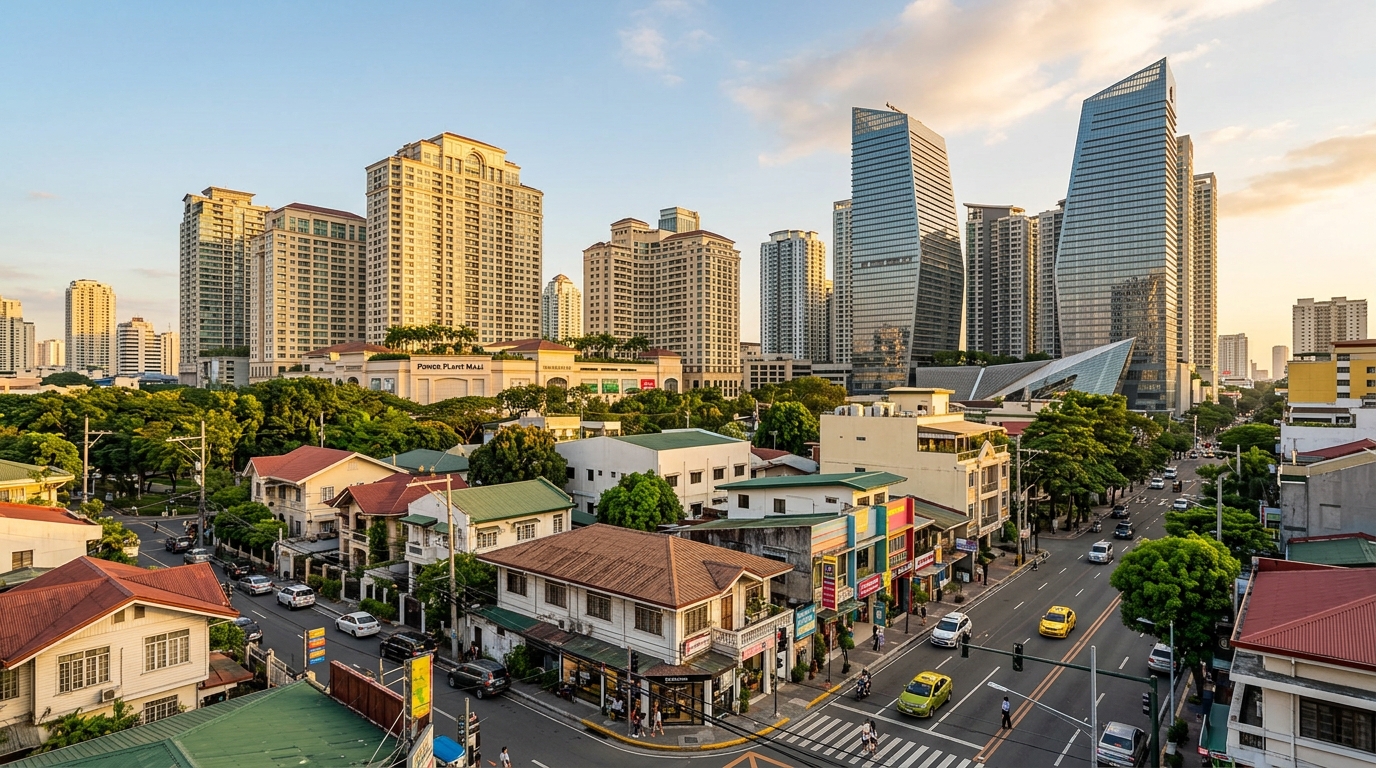
MAKATI CITY — A little over a decade ago, Poblacion was largely recognized as a quiet residential neighborhood and the historic center of Makati. Today, it has evolved into one of Metro Manila’s most active real estate markets. Nestled between heritage landmarks and the vibrant streets of its well-known nightlife scene is a property sector that has experienced remarkable growth, drawing the attention of developers, investors, and homebuyers seeking opportunities in the nation’s premier financial district.
From Residential Community to Mixed-Use Destination
Over the years, this historic barangay has transformed into a thriving mixed-use district filled with hidden-gem restaurants, boutique accommodations, and fashionable bars. Its growing popularity has pushed property prices steadily upward. Once considered a relatively affordable location, Poblacion now stands as a clear example of urban gentrification, where rising demand has increased the value of both residential and commercial properties. This shift did not happen by chance. Poblacion enjoys a strategic location near major roads such as Kalayaan Avenue and Jupiter Street, providing convenient access to Makati’s central business district. As available land across Makati becomes increasingly limited, the district’s combination of older infrastructure and prime positioning has made it highly attractive for redevelopment. This creates opportunities for modern mixed-use projects that can maximize the area’s potential.
Mixed-Use Developments Fueling Growth
Leading this real estate transformation are two large-scale mixed-use townships that have significantly altered Poblacion’s skyline. Rockwell Center, a 15.5-hectare project developed by Rockwell Land, established the benchmark for luxury integrated communities in the area, anchored by the upscale Power Plant Mall. Nearby, Century City, a 3.4-hectare township by Century Properties, has likewise become one of the district’s defining developments. Century City features the Century Spire, a 60-story mixed-use tower designed by acclaimed architect Daniel Libeskind in partnership with Armani/Casa. The premium Grade A development offers luxury residences, office spaces, and high-end amenities that have raised the standard for upscale living within the district. By combining residential, commercial, and retail components, these developments create a self-contained ecosystem that sustains strong demand and supports premium property values. As a result, these master-planned communities have positioned Poblacion as a preferred destination for affluent families and young professionals seeking a complete live-work-play lifestyle.
Benefiting From the Short-Term Rental Market
The district’s increasing popularity has also opened opportunities for short-term rental investors. Together with neighboring Salcedo and Legazpi Villages, Poblacion has been identified as one of the leading locations for Airbnb investments in 2026. Its reputation as a “lifestyle-focused market” makes it particularly attractive for design-oriented units that appeal to leisure travelers and long-stay guests looking for authentic urban experiences and willing to pay premium rates. The area’s investment appeal is further highlighted by the presence of hospitality assets with strong earning potential. Y2 Residence, a 21-story boutique hotel located in the heart of Poblacion, has been promoted as an “income-generating asset” situated in a “gentrifying area” with significant potential for “value appreciation.” This reflects the district’s growing maturity as an investment market, where developers and investment groups continue to see opportunities for long-term capital growth.
A Strong Long-Term Investment Opportunity
Supported by ongoing developments and consistent demand from a diverse tenant base, including digital nomads, expatriates, entrepreneurs, and corporate professionals, Poblacion’s property sector presents a resilient and attractive investment proposition. For investors exploring opportunities in Makati real estate, the district has moved far beyond its role as a historic landmark. It has become one of the city’s most promising growth areas, demonstrating that a community’s history can often help shape its future value.