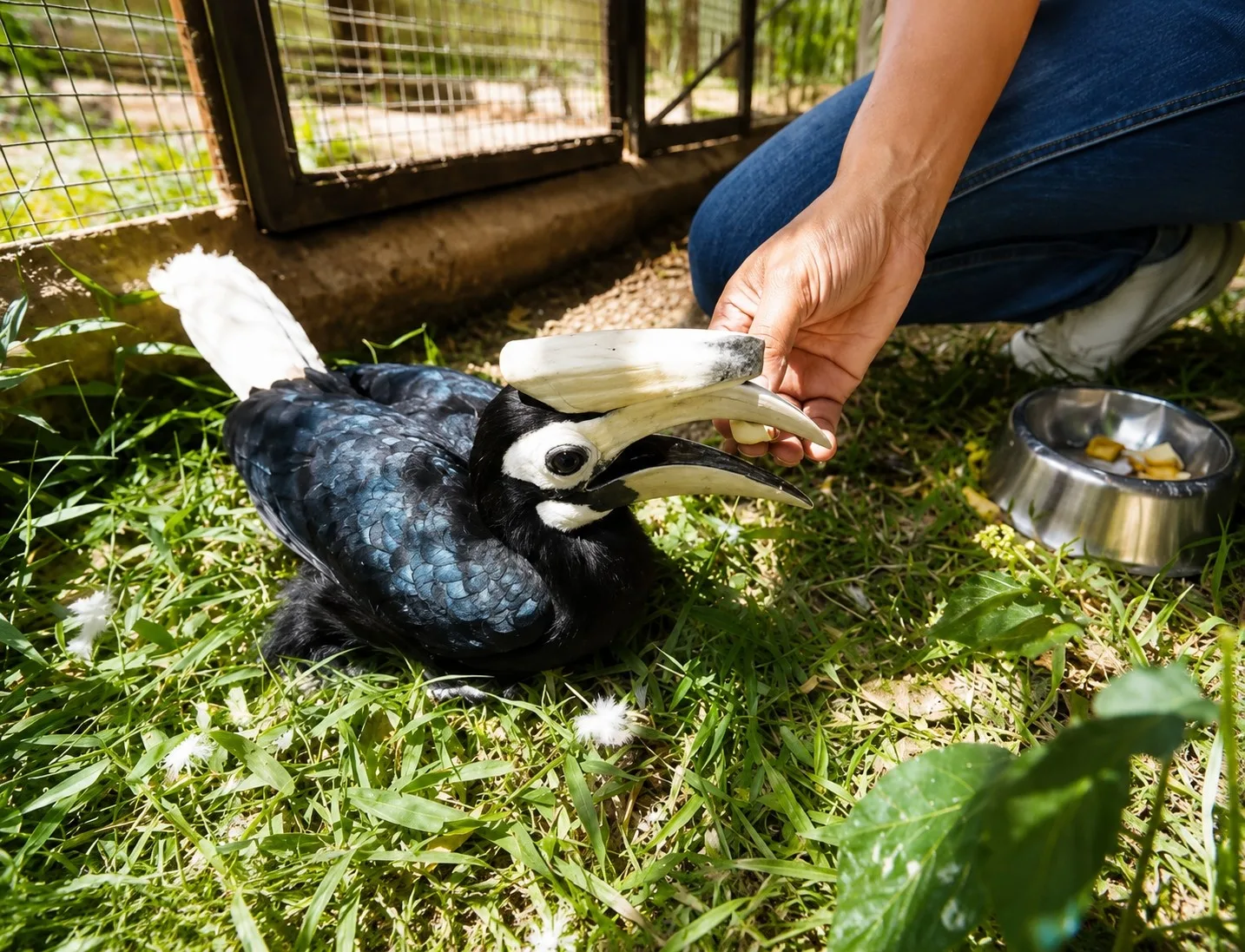
PALAWAN — The Philippines has earned high praise from international conservation circles, with the Convention on International Trade in Endangered Species of Wild Fauna and Flora (CITES) Secretariat recently highlighting the nation's efforts to implement one of the most comprehensive legal frameworks for wildlife protection. By integrating stringent international trade controls with a localized enforcement strategy, the country is increasingly viewed as a regional leader in the fight against the illegal wildlife trade (IWT). This international acknowledgment marks a significant milestone in the ongoing effort to shield the nation’s unique and globally significant biodiversity from exploitation and extinction.
A Legislative Shield Against Illegal Exploitation
At the heart of the Philippines' success is the rigorous application of Republic Act No. 9147, or the Wildlife Resources Conservation and Protection Act, which provides the bedrock for monitoring and regulating the movement of endangered species. By aligning this domestic legislation with CITES guidelines, the government has successfully created a licensing system that tracks the import, export, and re-export of flora and fauna, ensuring that commercial activities do not jeopardize species survival. The integration of the eCITES electronic permitting system has further modernized this process, replacing labor-intensive manual procedures with a streamlined, digitalized framework that minimizes corruption and prevents the movement of illicit wildlife products through international ports.
Strengthening the Chain of Accountability
Beyond mere legislation, the Philippines has adopted a "whole-of-society" approach to enforcement, empowering inter-agency task forces that include the Department of Environment and Natural Resources (DENR), the Bureau of Fisheries and Aquatic Resources (BFAR), and the Palawan Council for Sustainable Development (PCSD). These agencies are increasingly coordinating with global partners to tackle the sophisticated, organized crime syndicates that drive the $50 billion illegal trade. By focusing on critical "choke points"—including airports, mail hubs, and transit ports—and implementing stricter penalties for poachers, the nation is systematically closing the legal loopholes that previously allowed perpetrators to evade justice. This proactive stance is not only a boon for biodiversity but also safeguards the country’s eco-tourism sector and the ecological health of its irreplaceable habitats.
Building a Future of Voluntary Compliance
Looking toward the future, the government's current strategy focuses on transforming wildlife protection from a purely punitive effort into a culture of voluntary compliance. Through extensive public awareness campaigns, such as the #StopIllegalWildlifeTrade initiative, the Philippines is educating citizens on the environmental consequences of supporting the illegal trade, whether as collectors, consumers, or casual buyers. By aligning local economic interests with the preservation of natural assets, the government aims to reduce the reliance on wildlife as a commodity and encourage a national identity rooted in environmental stewardship. As the country continues to refine its policies and expand its ranger capacity, the Philippines stands as a testament to how dedicated legal and institutional reform can effectively reverse the tide of environmental crime.