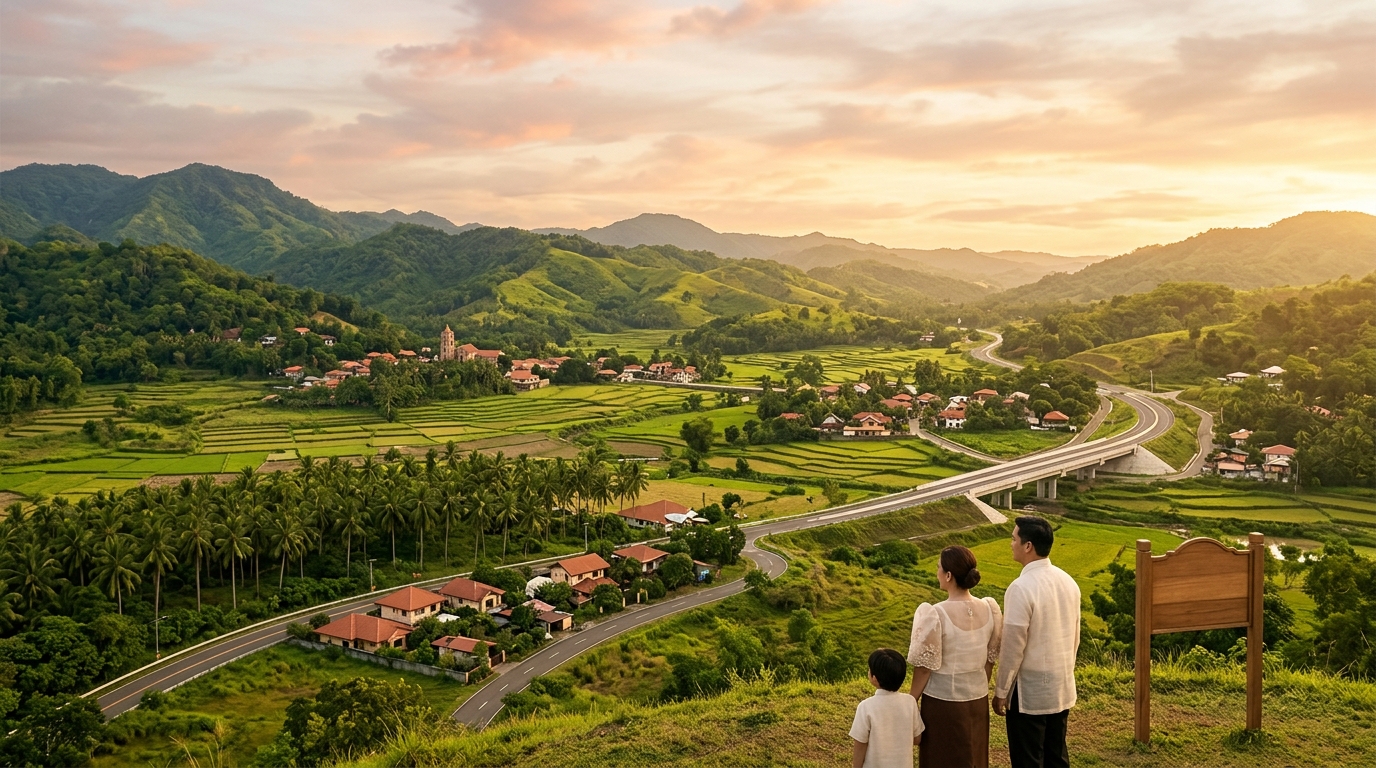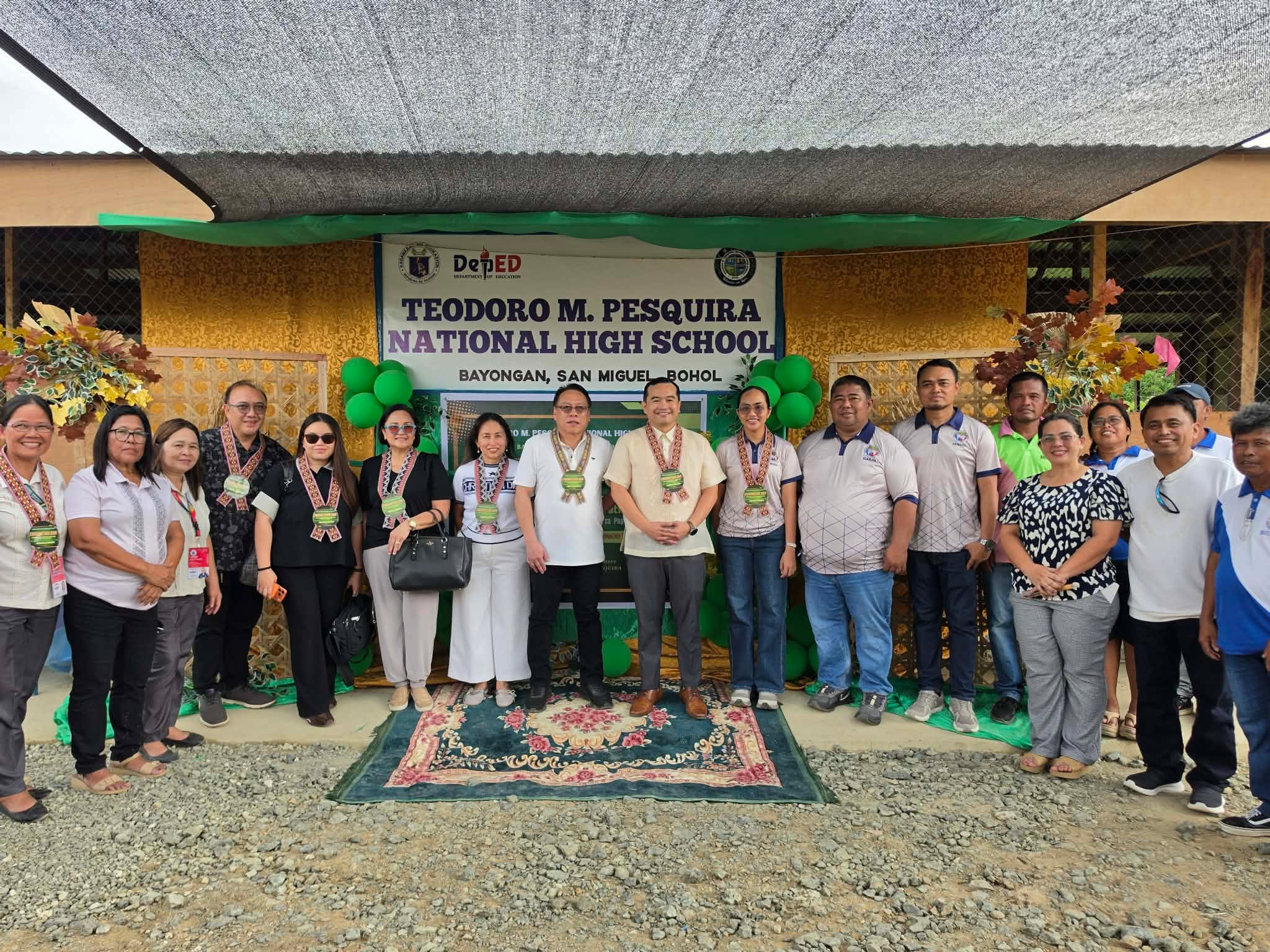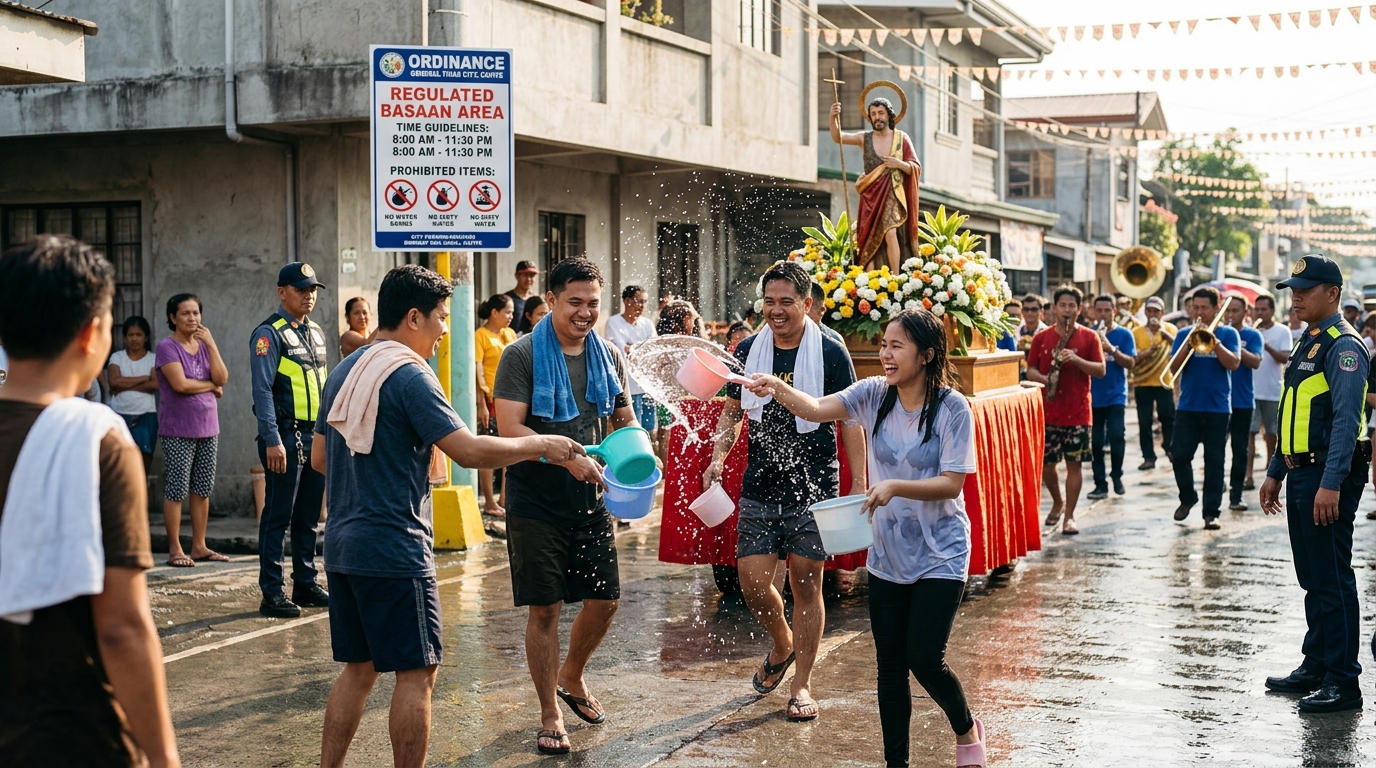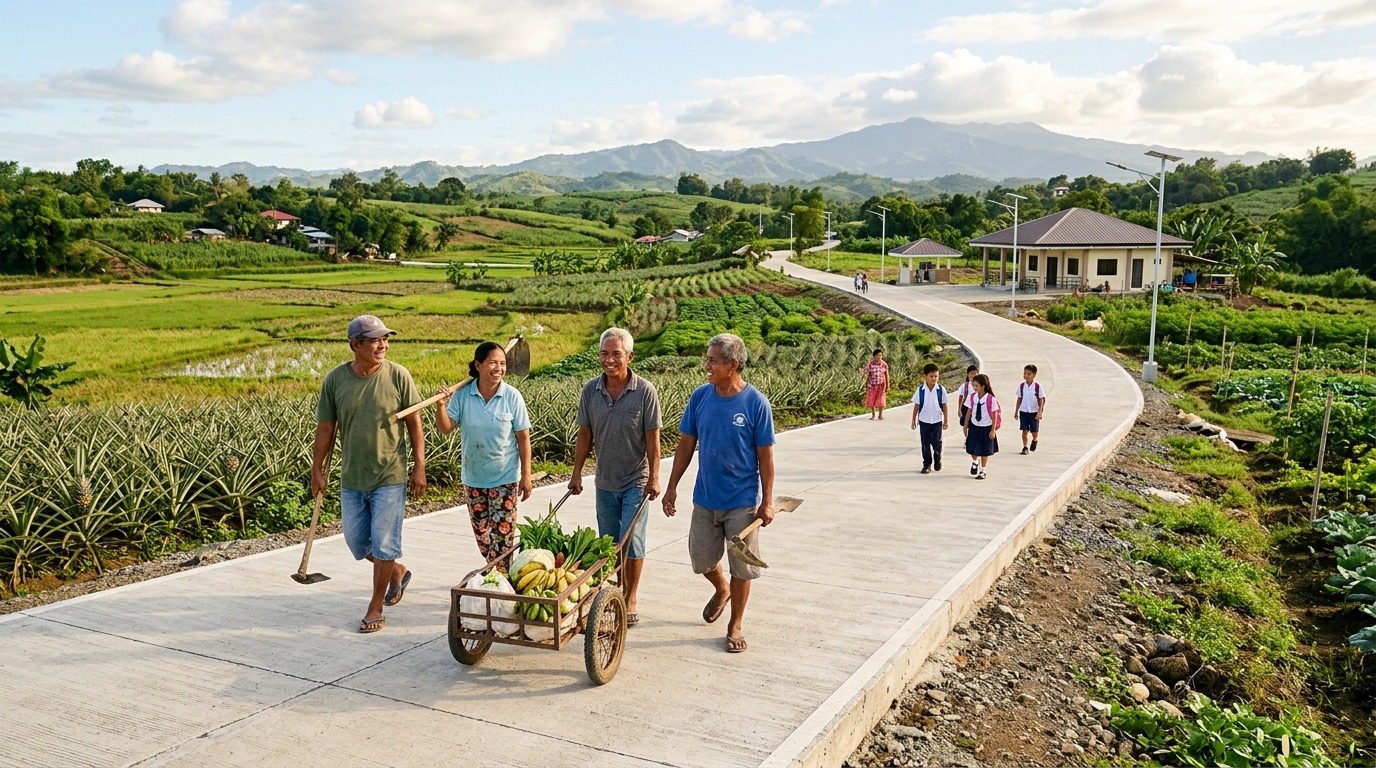
Across Cavite's 829 barangays, development projects are transforming communities with better roads, improved public facilities, and enhanced community spaces, bringing progress directly to the people.
Concrete Roads, Concrete Change in Rural Communities
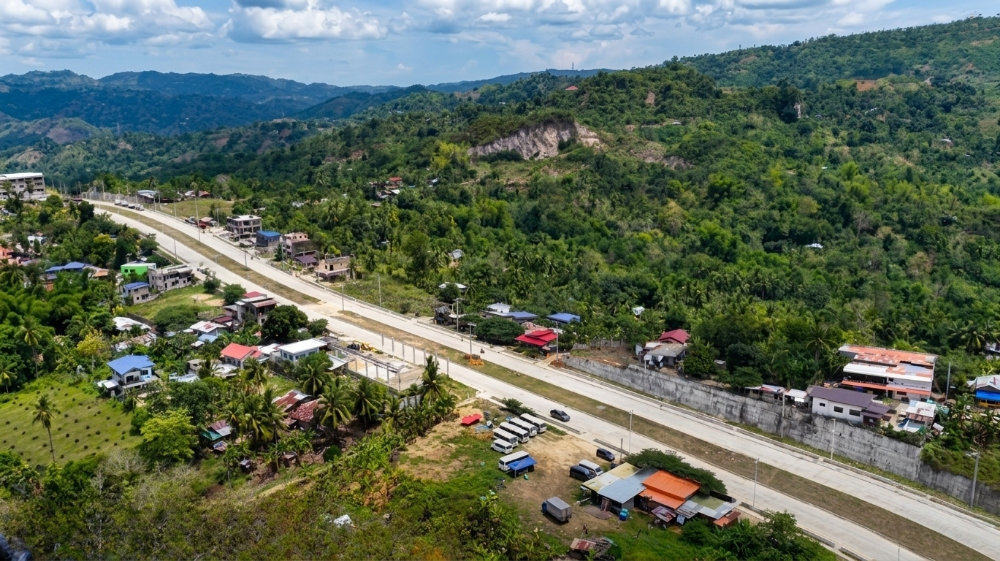
The impact of barangay-level development is perhaps most visible in Cavite's rural communities, where improved infrastructure is transforming daily life. In General Emilio Aguinaldo town, residents of Barangays Kabulusan and Batas-Dao now benefit from an 854-meter concrete farm-to-market road worth PHP8.65 million, completed in February 2025 under the DSWD's Kalahi-CIDSS program. What makes this project remarkable is that the community itself identified the need and implemented the construction from proposal-making to actual building.
Before this road existed, farmers struggled to transport their agricultural products to market, often enduring exhausting manual labor. Now, over 900 families benefit from easier market access, while students can go to school conveniently regardless of weather conditions. This is a perfect example of how community-driven development directly improves livelihoods and quality of life, proving that targeted infrastructure projects can create lasting change in rural communities.
National Support Reaching Every Barangay
The national government has doubled down on its commitment to barangay-level development through programs like "Bawat Barangay Makikinabang." During a visit to General Trias City on May 4, 2026, President Ferdinand R. Marcos Jr. reaffirmed that empowering barangays as frontliners in delivering vital services remains a top priority. Through the Local Government Support Fund, resources are channeled directly to local governments to fund community-identified priorities, ensuring development is responsive to actual needs.
Barangay leaders in General Trias have committed to implementing well-coordinated programs, including solar lighting installation and patrol motorcycle provision to improve peace and order. As General Trias City Liga ng mga Barangay President Ramil Barrientos noted, "When our barangay is peaceful and well-lit, we encourage more people to settle here and invest." Over 18,000 families received rice assistance and educational aid for scholars under the program, demonstrating that barangay development extends beyond infrastructure to include direct support for families and students.
Building Climate-Resilient and Connected Communities
Beyond roads and public safety, Cavite's barangays are also being equipped to address environmental challenges. In August 2025, the DENR-PENRO Cavite conducted a capacity-building activity for over 100 participants from 37 barangays under Project TRANSFORM, focusing on climate resilience and zero-waste solutions. Barangay leaders learned about proper waste segregation, circular economy principles, and the crucial role of women in solid waste management, ensuring that barangay development is not just about building structures but also about building knowledge and skills for sustainable progress.
These grassroots improvements are complemented by major connectivity projects linking barangays to commercial hubs. The Cavite Bus Rapid Transit system, now under construction, will span 42 kilometers across Imus, General Trias, Tanza, Kawit, and Trece Martires, improving daily commutes and logistical access. Meanwhile, the Punta-Open Canal Diversion Road—a six-lane thoroughfare slated for completion by end of 2027—will shorten travel time from Arnaldo Highway to Tanza from 40 minutes to just 15 minutes. From farm-to-market roads in upland communities to climate education in coastal barangays, Cavite's grassroots development efforts are comprehensive and inclusive, proving that true progress begins at the ground level.