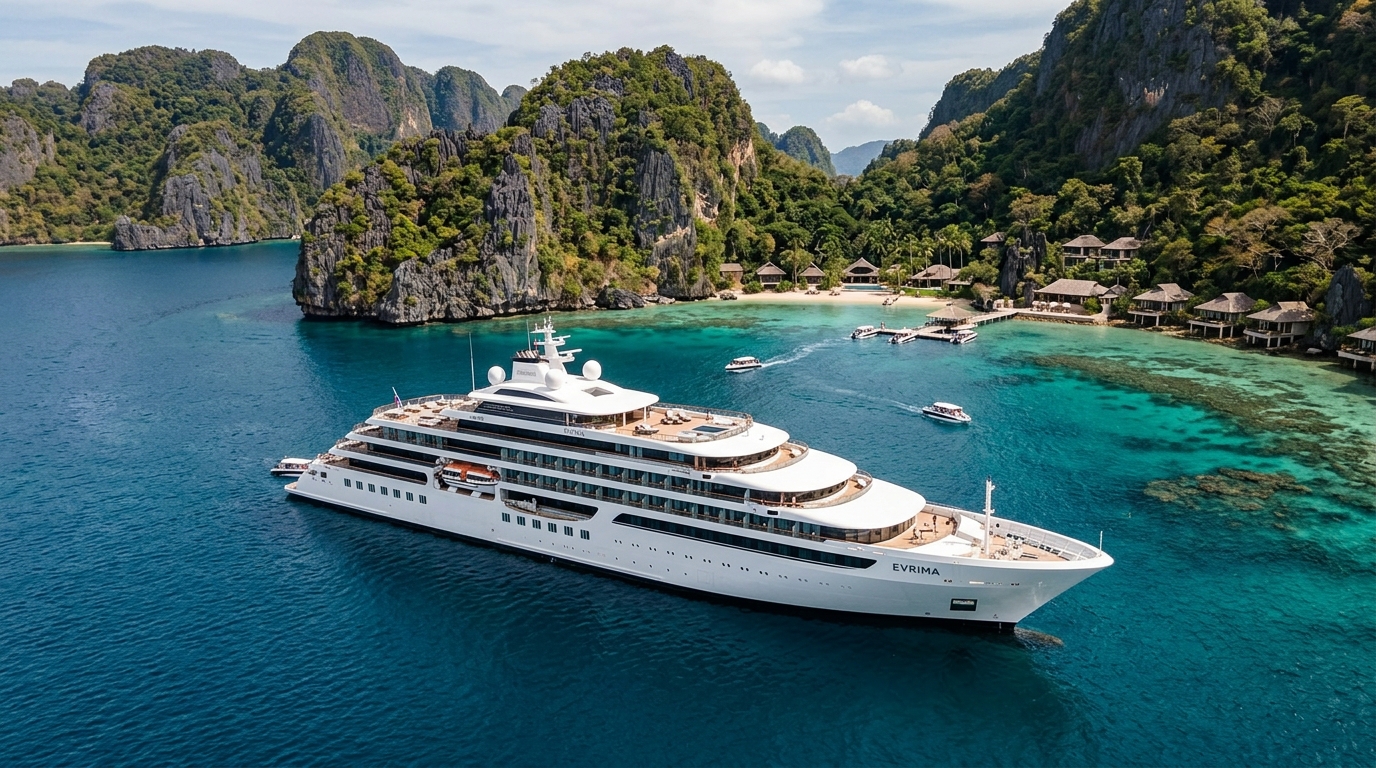
A forward-looking environmental and infrastructure development program commenced across the southern frontier of the province to manage emerging travel trends. The Department of Tourism, in close coordination with southern municipal boards, has initiated an extensive ecotourism readiness program for the fast-rising Balabac island group. Renowned for its rare marine wildlife, pristine sandbars, and untouched environments, the southern destination is seeing a significant increase in interest from international nature enthusiasts. The targeted development program seeks to install clean public infrastructure and strict environmental monitoring systems before heavy commercial resort construction begins on the islands.
Installing Modular Solar Utilities and Rain Catchments Across Outlying Islands
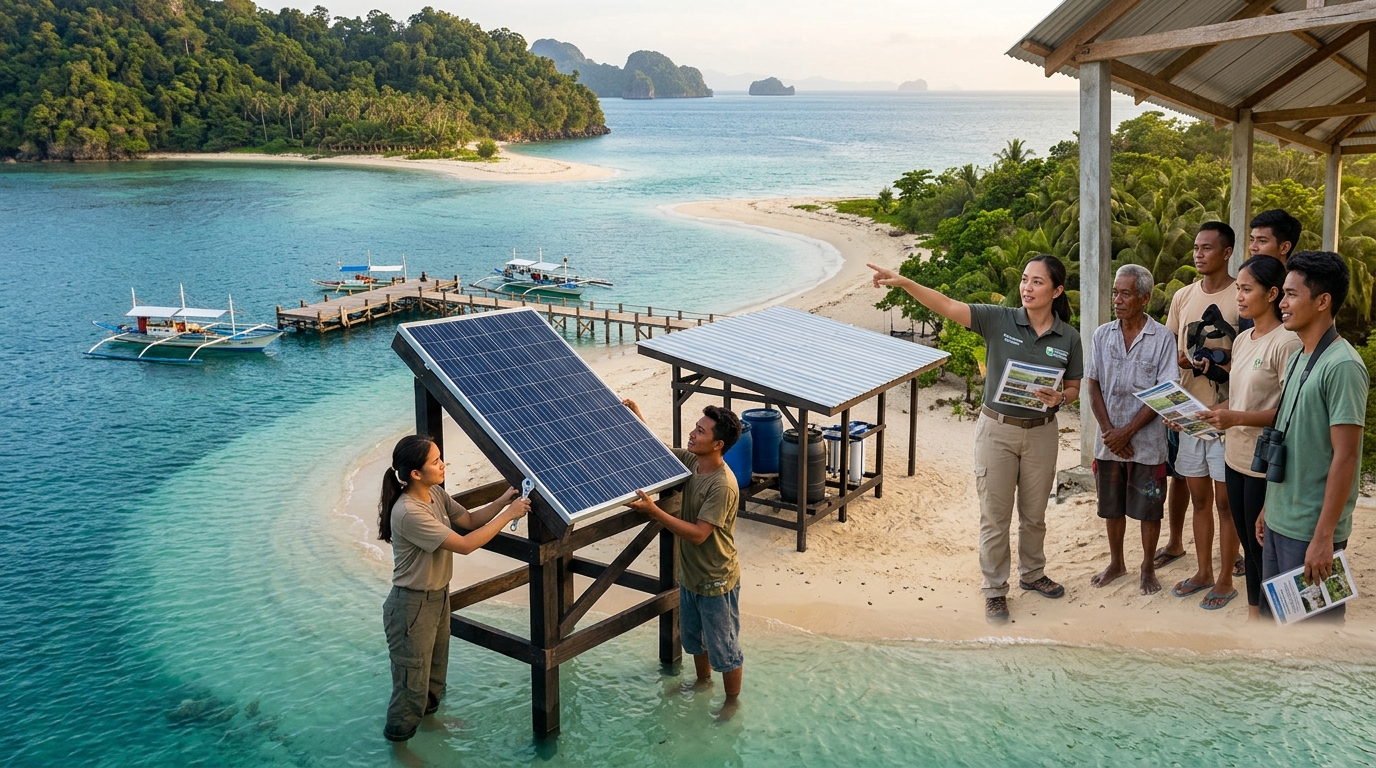
The infrastructure development plan must prioritize the construction of low-impact public facilities, including solar-powered municipal water stations and eco-friendly waste processing shelters near the main boat docks. Local engineering teams could start building these essential utility networks using durable, sustainable materials designed to withstand harsh coastal salt environments without corroding. Providing remote island communities with independent green utility networks would prevent the pollution of fragile underground freshwater lenses by sudden tourism growth. This basic infrastructure setup ensures that small fishing villages can host eco-travelers safely while maintaining a clean, healthy environment for resident families.
Training Indigenous Fishing Communities to Act as Professional Conservation Guides
To ensure that the financial rewards of the expanding travel market benefit the local residents directly, environmental officers could host certified eco-guiding seminars for traditional fishing cooperatives. Participants would be able to receive comprehensive training on marine mammal protection laws, sustainable boat navigation practices, and basic open-water safety rescue methods. Transitioning from traditional fishing to professional conservation guiding allows coastal families to secure higher, more stable incomes while acting as active protectors of their local coral reefs. This human capital investment transforms community members into key partners in environmental protection, ensuring that the island's rare wildlife remains safe from poaching.