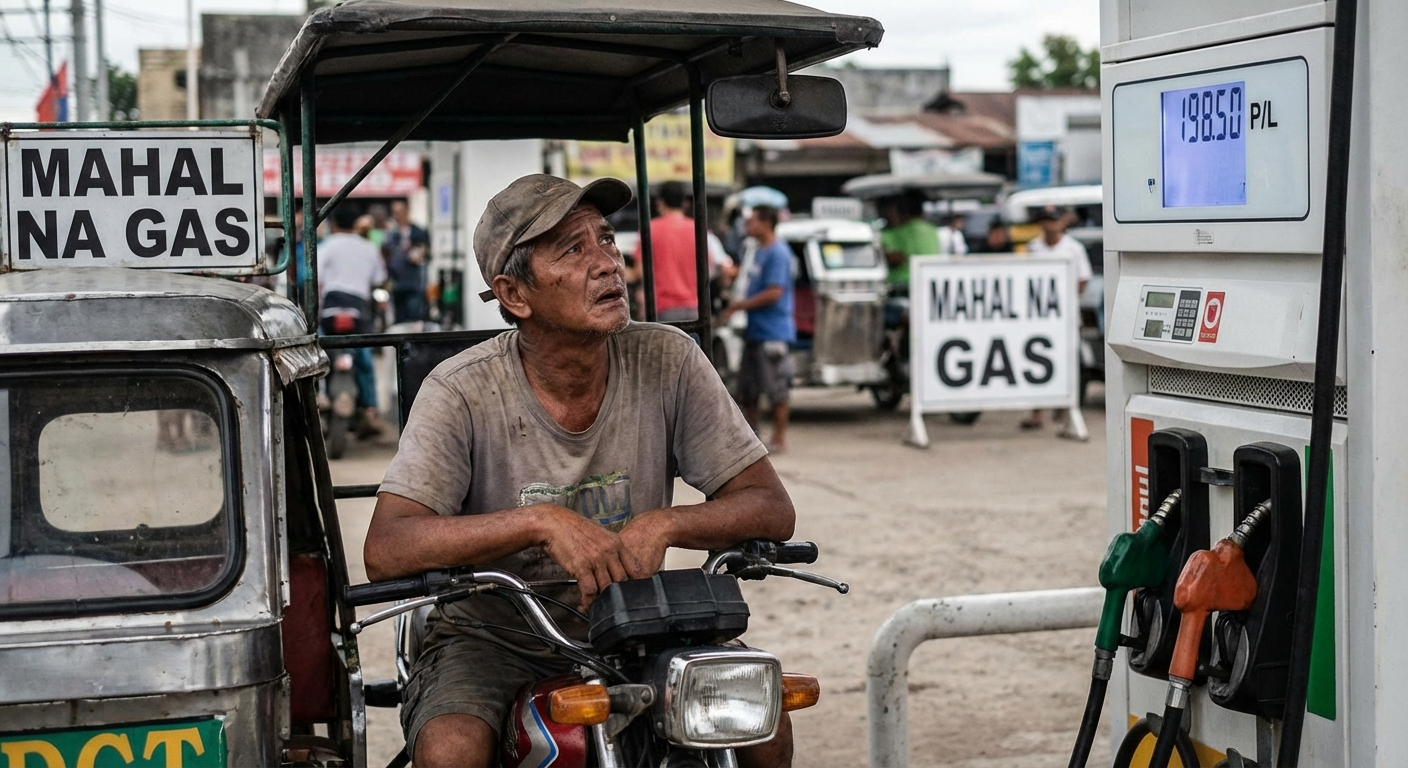
Concerns have been circulating among Filipino households and overseas workers regarding a potential surge in fuel prices reaching an alarming P200 per liter. However, recent fact-checks confirm that current forecasts for oil prices in the Philippines do not indicate such an extreme increase, offering crucial clarity amidst widespread worry. The proliferation of unverified information regarding drastic fuel price hikes can understandably trigger anxiety, especially for those managing household budgets in the Philippines or for Overseas Filipino Workers (OFWs) whose remittances are significantly affected by local costs. Such rumors often fuel panic, leading to unnecessary financial strain and misallocation of resources among families planning their expenses. While global oil markets remain volatile and minor price adjustments are common, expert analyses, as highlighted by recent fact-checks, do not support the projection of P200 per liter in the immediate future. This distinction is vital for Filipinos who rely heavily on transportation for work, school, and daily necessities, and for OFWs supporting their families from abroad. Why It Matters Understanding the true state of fuel prices is critical for economic stability across the Philippines. Fuel costs are a major component of inflation, directly impacting everything from food prices to public transportation fares. For millions of Filipinos, particularly those in the informal sector or those with limited disposable income, even minor price changes can significantly affect their purchasing power and quality of life. OFWs, who dedicate their earnings to uplift their families, need accurate information to plan their remittances effectively and ensure their hard-earned money stretches further, insulating their loved ones from the negative effects of economic misinformation. What Filipinos Need to Know Filipinos and OFWs are encouraged to remain vigilant against misinformation and rely on verified sources for economic updates. While the P200 per liter scenario has been debunked, it remains important to monitor official advisories from government agencies and reputable news outlets regarding oil price trends. Budgeting wisely, exploring fuel-efficient options, and staying informed are prudent steps to navigate the fluctuating global energy landscape and protect household finances in the Philippines.