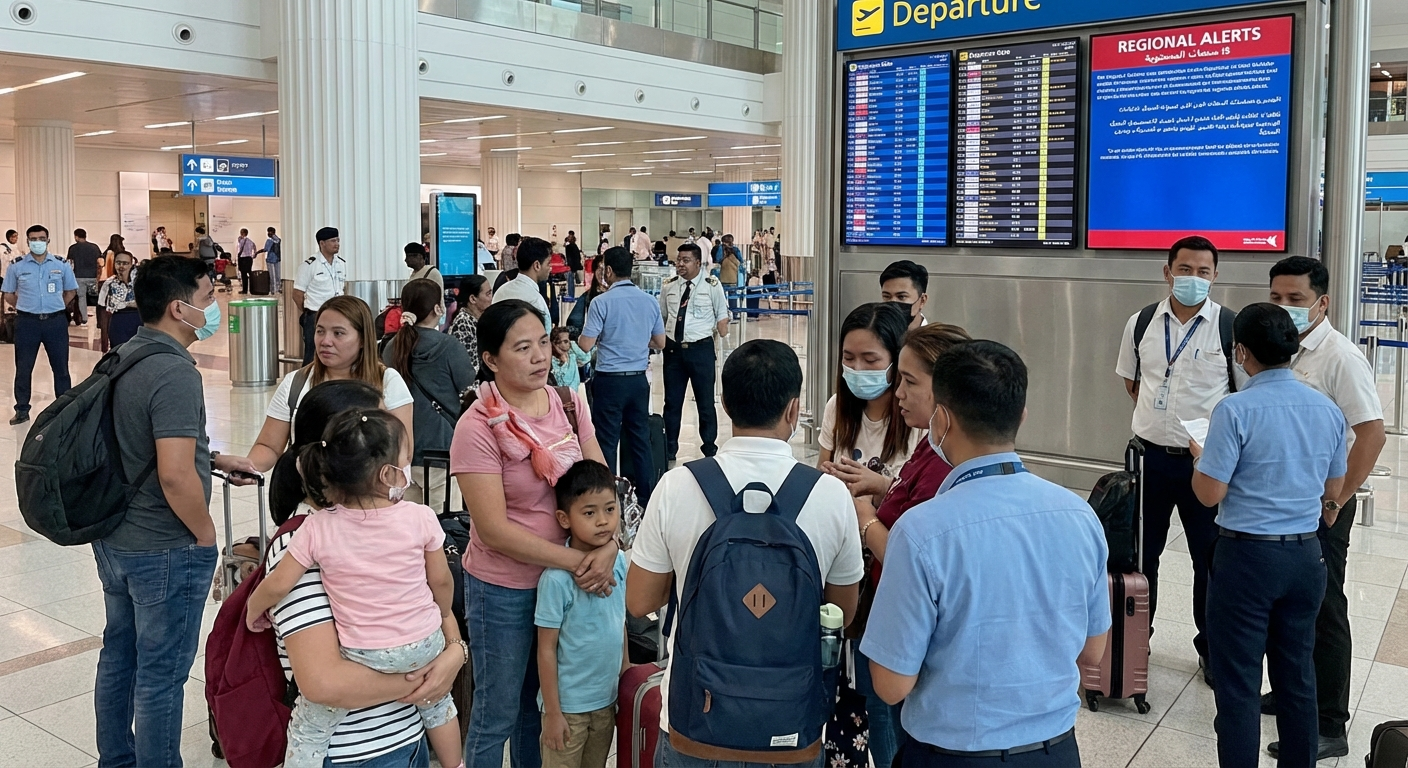
A contingent of Filipino tourists found their journeys to Dubai transformed into a period of apprehension, as they experienced the direct impact of heightened regional tensions in the Middle East. These travelers, who had anticipated leisure and exploration in the vibrant emirate, instead found themselves navigating an environment charged with uncertainty following recent geopolitical events. Their firsthand accounts, as reported by GMA Network, shed light on the emotional and logistical challenges faced by international visitors when geopolitical dynamics shift abruptly. While specific incidents or detailed testimonies were not provided in the summary, the collective sentiment shared by these Filipino nationals pointed to a pervasive sense of unease. Disruptions to flights, altered itineraries, and the constant monitoring of news headlines became an unexpected part of their travel experience. For many, the joy of travel was overshadowed by concerns for their personal safety and the desire to return home amidst the evolving security landscape. This experience underscores how quickly regional stability can affect individuals far from political decision-making centers. Why It Matters Dubai serves as a critical global hub, not just for tourism but also as a significant employment and transit point for countless Filipino overseas workers (OFWs). The experiences of these stranded tourists resonate deeply with the broader Filipino diaspora, especially those contemplating travel or currently residing in the Middle East. Any escalation in regional conflict has far-reaching implications, from potential disruptions in remittances to families in the Philippines, to concerns over the safety and repatriation of Filipino expatriates. This event highlights the inherent risks faced by many Filipinos whose livelihoods or leisure activities place them in geopolitically sensitive regions, underscoring the interconnectedness of global events and individual lives. What Filipinos Need to Know For Filipinos living or planning to travel to the Middle East, vigilance and preparedness are paramount. It is crucial to register with the Philippine Embassy or Consulate in your host country, monitor official advisories from the Department of Foreign Affairs (DFA), and maintain open communication channels with family. Having contingency plans, including emergency contacts and alternative travel arrangements, can mitigate the impact of unforeseen events. This incident serves as a stark reminder for all Filipino citizens abroad to prioritize safety, stay informed about local and regional developments, and adhere strictly to guidance from diplomatic missions.