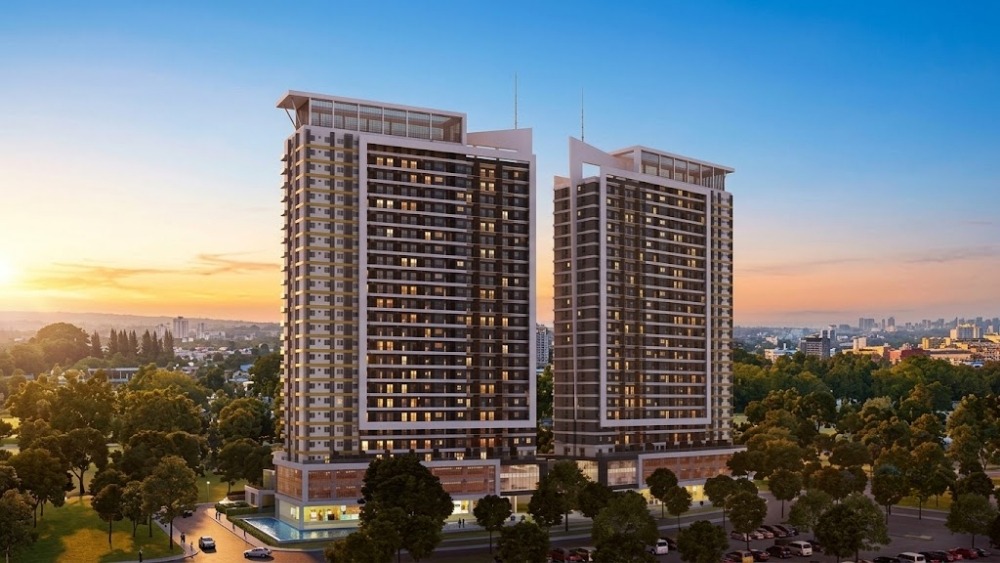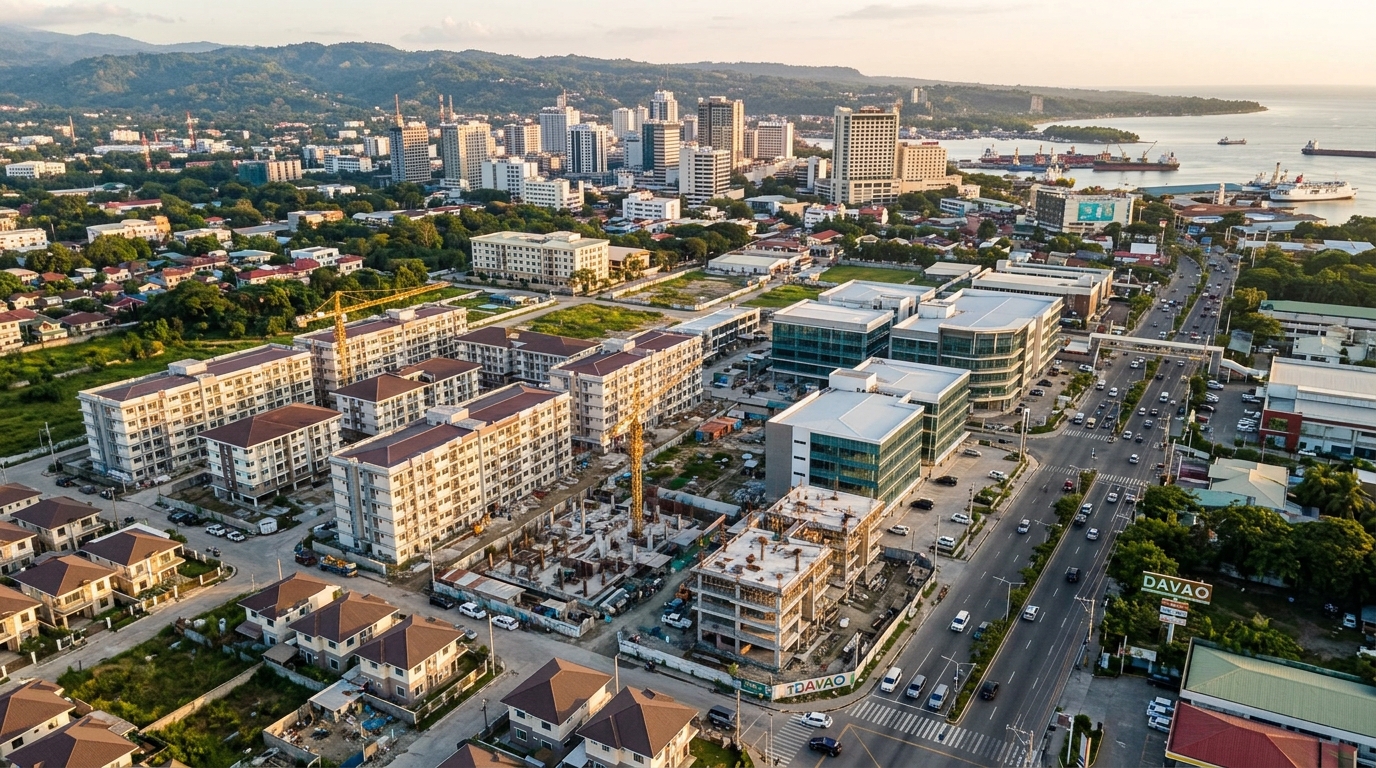
Davao — The city witnessed a robust year of development in 2025, with residential construction taking center stage in the city’s expanding urban landscape. According to the latest data from the Philippine Statistics Authority (PSA) and the city's building permit records, residential projects accounted for the vast majority of the 1,924 construction activities reported throughout the year. This surge highlights the sustained demand for housing as the city continues to attract new residents and investors alike. With a total construction value hitting ₱12.67 billion across all sectors, the data paints a clear picture of a city in the midst of a significant infrastructure and real estate upswing.
A Closer Look at the Building Boom
The breakdown of the 1,924 construction projects reveals a city balancing residential growth with commercial and institutional expansion. Of the total permits, 1,186 were dedicated to residential structures, the overwhelming majority—1,178—being single-family homes, complemented by a smaller number of apartments and condominiums. On the non-residential side, the city saw the completion of 705 projects, featuring a strong mix of 580 commercial buildings and 97 institutional facilities. While residential projects dominated in terms of the number of permits, they also held the highest financial weight, contributing ₱6.9 billion to the total construction value, while non-residential developments contributed ₱5.47 billion.
Urban Expansion and Future Outlook
The physical scale of these developments is equally impressive, covering a total combined floor area of over 1.02 million square meters. Interestingly, non-residential constructions—driven by the city's commercial and industrial needs—covered a larger footprint of 635,426 square meters, compared to the 392,386 square meters dedicated to housing. This suggests that while individual families are driving the sheer volume of permit applications, the city’s commercial core is growing rapidly in spatial intensity. As Davao City moves forward, this balance of housing and commercial infrastructure serves as a vital indicator of its role as a premier investment hub in Southern Philippines, reflecting long-term confidence from both local developers and international stakeholders.