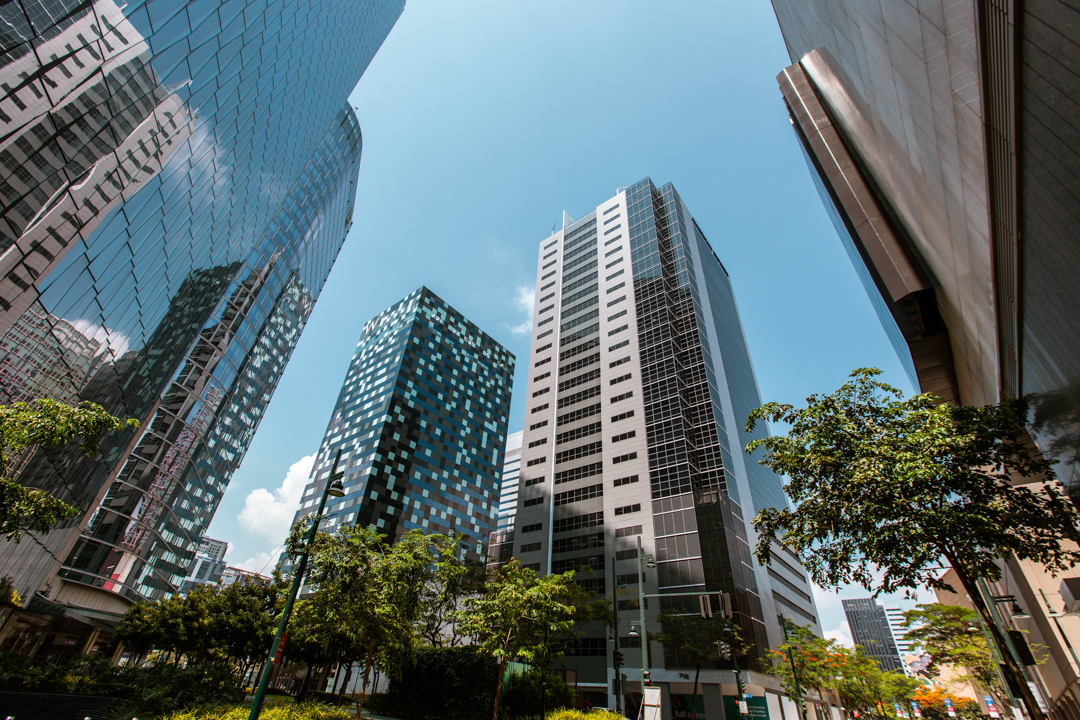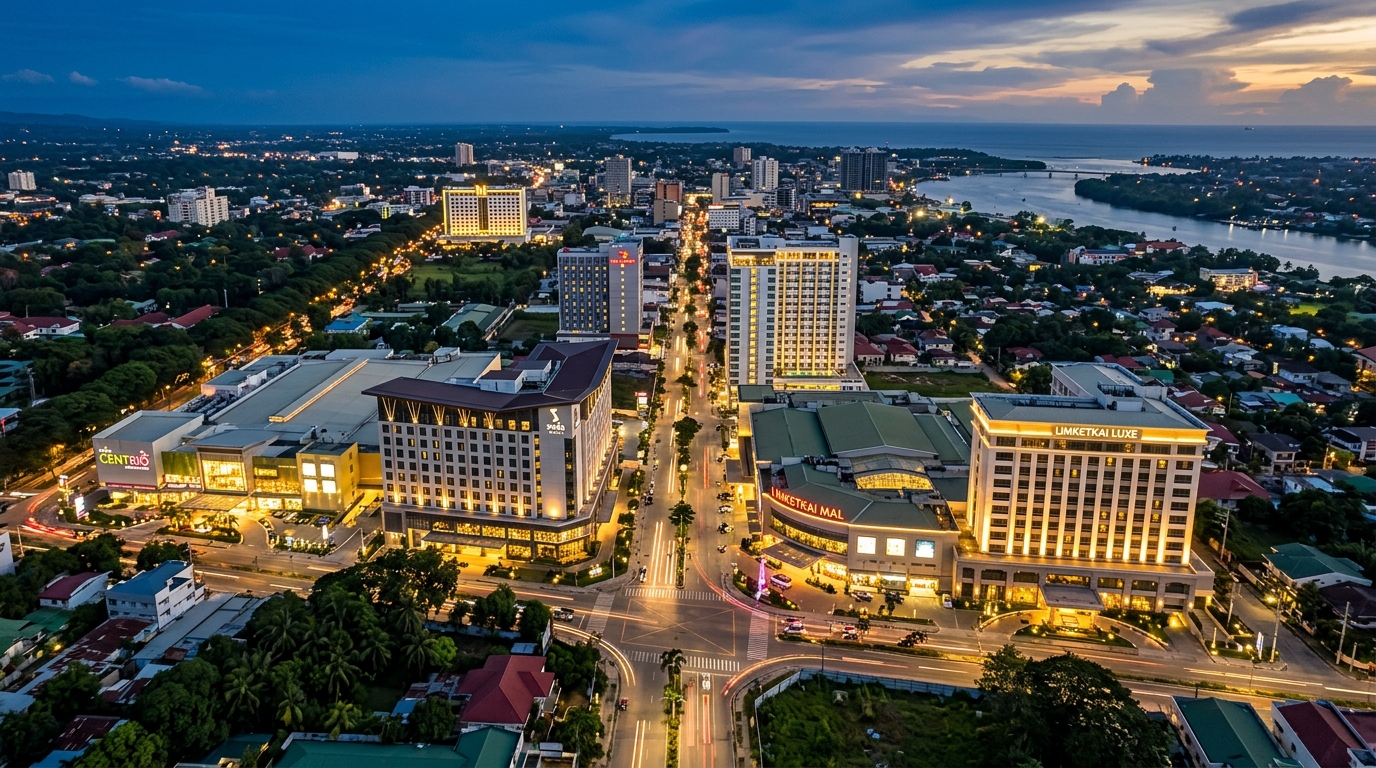
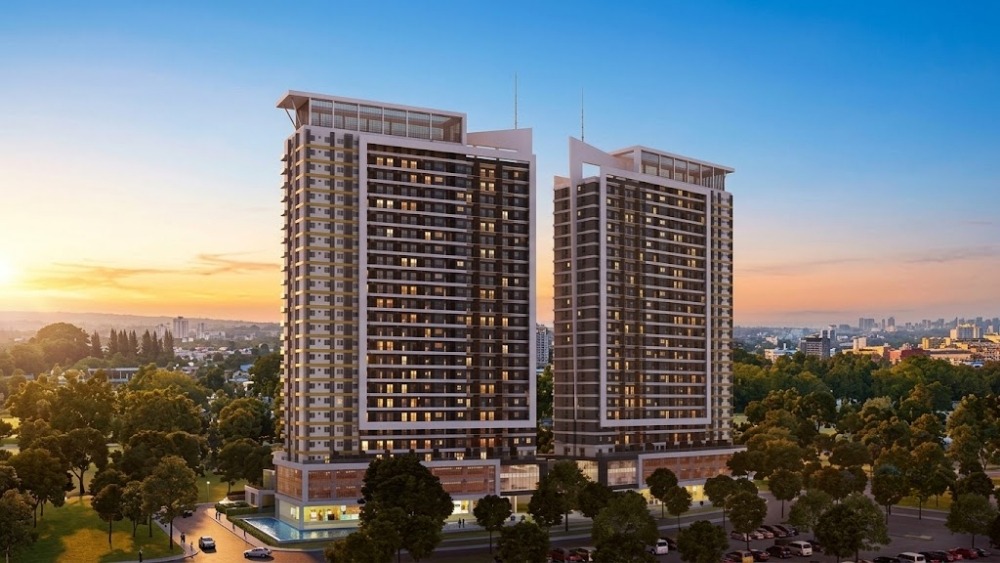
CAGAYAN DE ORO — The future of Philippine urbanization is shifting away from the saturated corridors of Metro Manila toward emerging regional hubs that promise a higher quality of life and smarter design. As the country looks toward 2040 and 2050, the consensus among urban planners and developers is that the next generation of great Philippine cities will not replicate the infrastructure struggles of the capital, but will instead be built from the ground up with sustainability, walkability, and technological integration as their core principles.
The Shift Toward Master-Planned Regional Hubs
Metro Manila has long carried the weight of the national economy, but its capacity to support further growth is reaching its limits. The new urban vision focuses on cities where land is still accessible and where authorities have the opportunity to implement "genuinely right" urban planning before development becomes too dense to manage. Developers are already positioning capital in regions like Cagayan de Oro, Clark, and Iloilo, recognizing that these areas offer the space to build on higher ground, integrate 30 percent open space from the start, and implement digital-first infrastructure that Metro Manila struggles to retroactively adopt.
The Power of the 15-Minute City
At the heart of this new development strategy is the "15-minute city"—a structural decision where offices, schools, clinics, and marketplaces are reachable without the necessity of a car. Unlike the capital, where long commutes are currently a defining burden, these emerging cities are being designed around walkability. This decision dictates everything from transit viability to retail formation, ensuring that future townships function as cohesive communities rather than fragmented commercial zones. This design philosophy is considered the single most important factor for long-term urban success.
Preparing for the Knowledge Economy
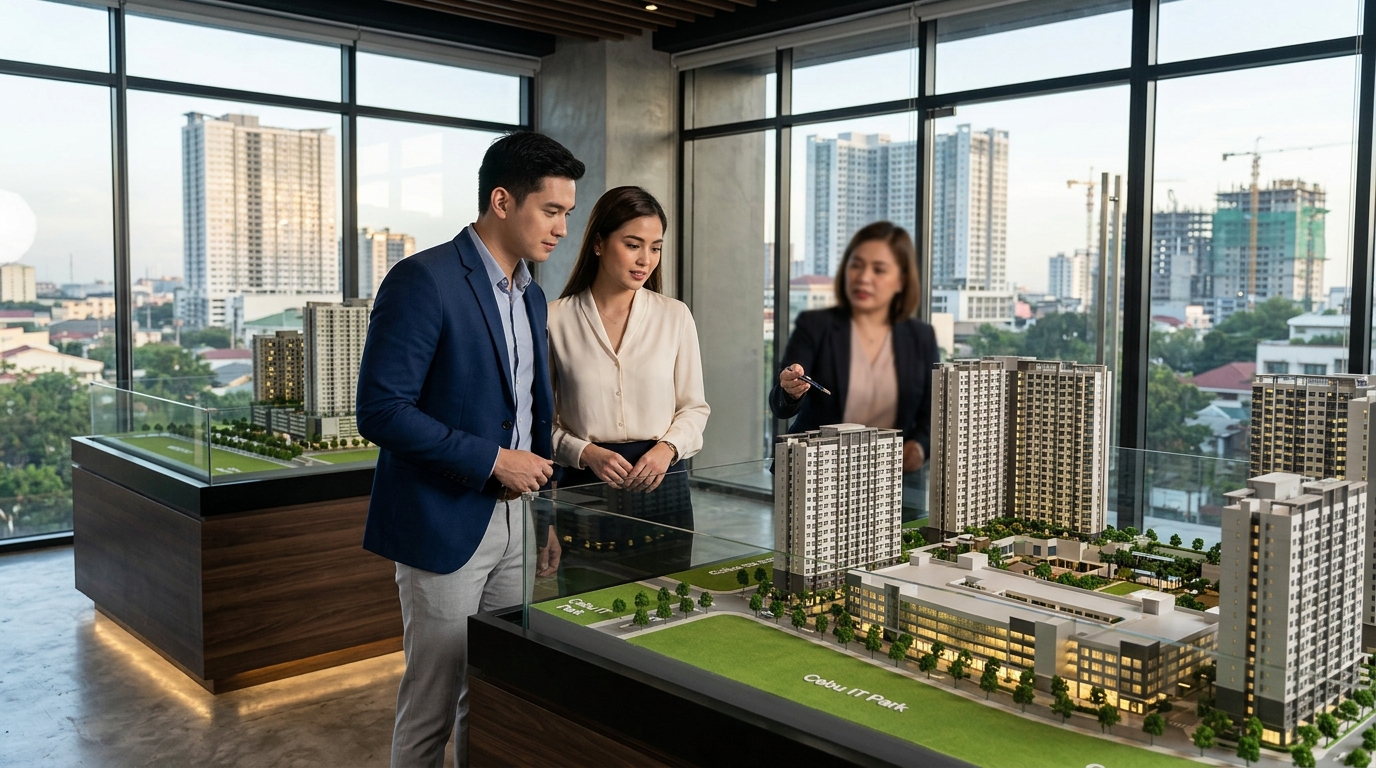
The next phase of urban growth is also accounting for the structural shifts within the BPO industry. As AI and automation reshape traditional roles, the cities of tomorrow are being built for a new demographic: the analytics professional and the knowledge worker. This requires more than just office space; it necessitates universities, technical institutions, and innovation hubs embedded directly into the township. By integrating these institutional anchors, developers are creating communities that cater to the evolving middle class, ensuring that the next wave of Philippine growth is driven by innovation and high-value knowledge services rather than outdated commercial models.