CEBU CITY — A Japanese-funded water filtration system and livelihood program launched on June 21, 2026 at the Nano Nagle Learning Center in Barangay Mambaling, bringing clean drinking water to 525 Badjao families. The project, dubbed "Bohe Maka Sannang" (Water is Life), promises to change daily realities for more than 2,000 residents.
A Lifelong Struggle for Safe Water
For Arlyn Daomani, president of the community livelihood assocition, water scarcity has defined her entire 42 years. She described an exhausting cycle where taps flow only at unpredictable hours, sometimes appearing at night and vanishing by morning. Families scramble to collect enough for drinking, cooking, and washing.
The situation worsens during the rainy season when existing water sources become dangerously contaminated. Stomach illnesses and severe diarrhea spread rapidly among children. Edwina Quailquial, head of the learning center, identified diarrhea as the community's most persistent health threat.
The project was launched by Junior Chamber International Cebu and JCI Japan under the JCI Rise program. Project chairperson Jay Emanuel Alegarbes explained that his team conducted ocular inspections across northern, southern, and metro Cebu before selecting Mambaling. The area faced compounding crises of poor waste management and unsafe water.
Japanese Technology Brings Clean Water
Funded through a two-million Japanese yen grant from JCI Japan's Smile by Water initiative, the system employs a three-stage purification process. Raw water is drawn by a high-pressure pump, then passes through an ultra-filtration membrane that removes sediments and larger bacterial contaminants.
The water next flows through an active UV sterilization chamber, neutralizing viruses and biological contaminants to ensure microbiological safety. Purified water is stored in large stainless-steel tanks on the facility roof for community distribution. The system serves as a centralized network for students, families, and nearby households.
Kotaro Mizuyama, vice chairperson of JCI Japan's Smile by Water initiative, emphasized the child-centered design. Children need clean water for drinking and washing to prevent stomach illnesses, he said. The project marks JCI Japan's first undertaking in Cebu, with technology specifically engineered for simple and sustainable operation.
Community members received hands-on training to operate and maintain the system independently. The low-overhead design ensures the community will not rely on external technicians for basic upkeep. This transfer of technical knowledge is central to the project's long-term vision.
From Water to Livelihood
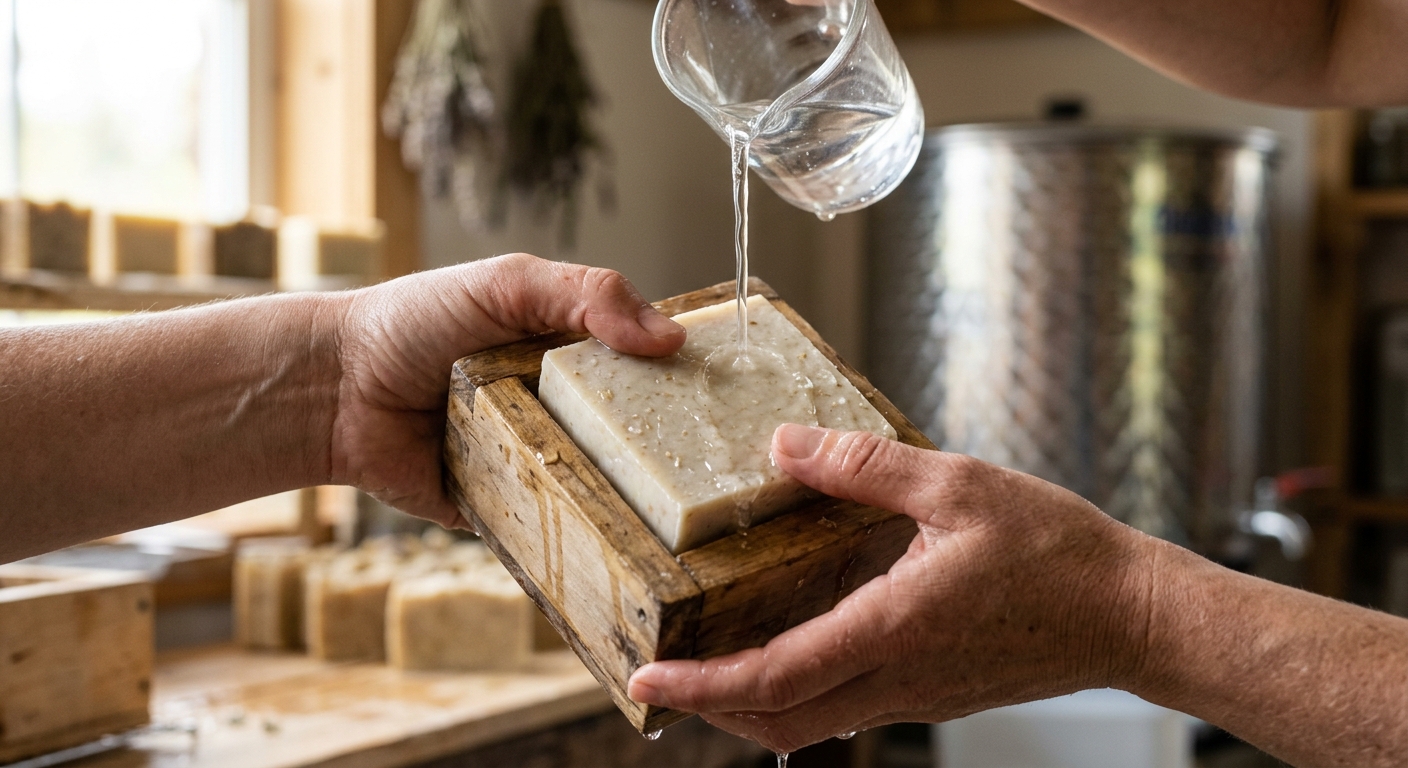
Alegarbes insisted the initiative must become a circular economy, not just a purification system. Twenty Badjao mothers will use purified water to manufacture eco-friendly hand soap. JCI Cebu has already initiated talks with Metro Cebu hotels and restaurants to establish guaranteed buyers.
Women underwent soap-making training while children participated in jewelry-making workshops. Both activities aim to develop creativity and entrepreneurial skills. Financial literacy sessions on budgeting, saving, and money management accompanied the skills training to strengthen long-term economic stability.
The livelihood component directly targets the economic desperation that often drives families toward street begging. Alegarbes described the initiative as a way to show residents that opportunities for a better life exist and that self-reliance is achievable. The soap products, made from purified water, create a tangible link between clean water access and income generation.
Building a Self-Reliant Community
The Nano Nagle Learning Center's Women's Association, the first organized women's group in the Badjao community, will oversee the soap-making initiative and train beneficiaries. This association was formed to help women develop sustainable income sources and encourage collective rather than individual effort.
JCI Cebu will monitor and oversee the project before gradually transferring management to community members through a shared ownership arrangement. The goal is for residents to eventually sustain the project on their own, creating lasting change rather than temporary relief. Organizers hope the initiative improves health, strengthens sanitation practices, and empowers the Badjao community toward greater self-reliance.