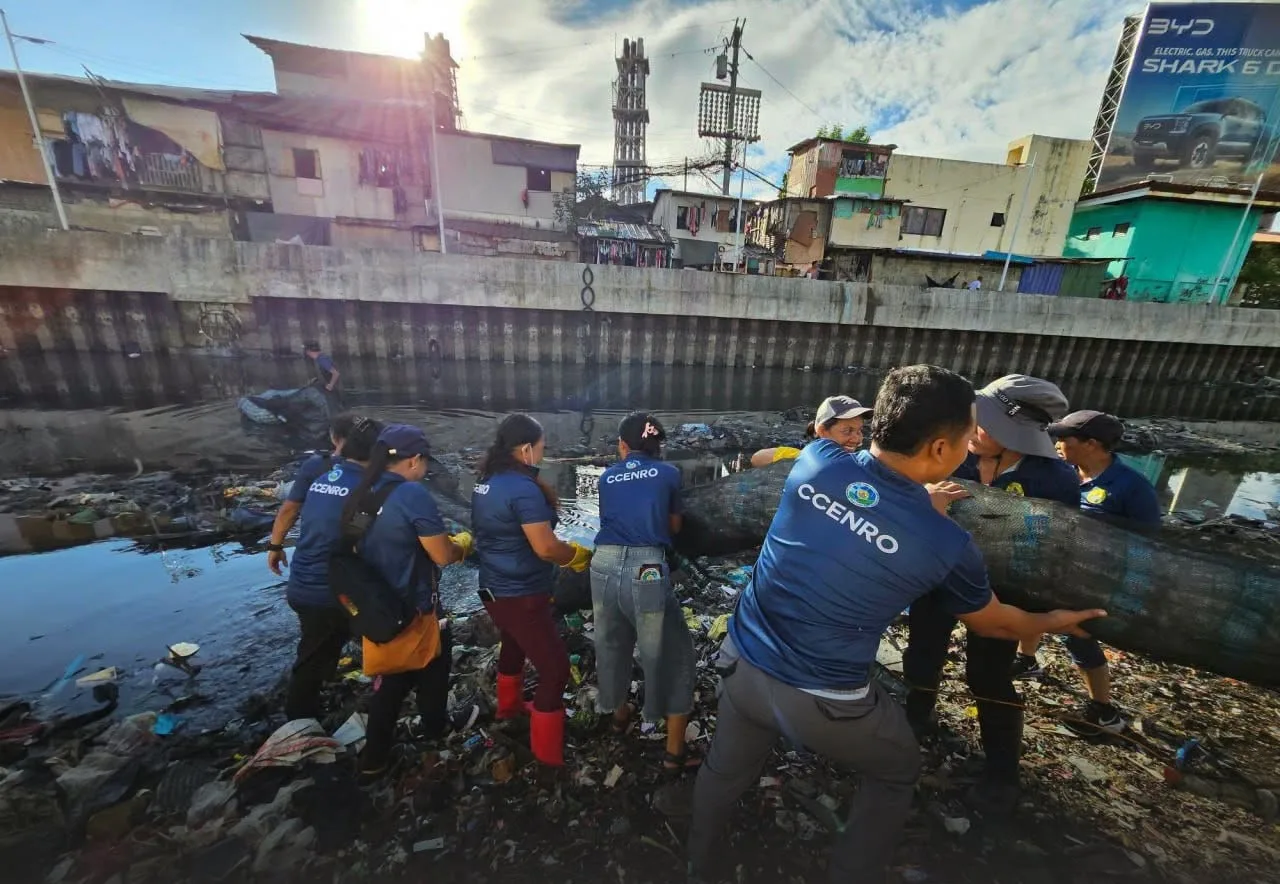
CEBU CITY — Hundreds of volunteers converged on the Pasil shoreline before dawn on July 4, 2026, pulling plastic waste, household debris, and marine litter from the beach in a massive civic-driven coastal clean-up. The effort arrives at a pivotal moment for a city wrestling with a prolonged solid waste emergency.
Early Morning Mobilization Draws a Unified Force
The Cebu City Bantay Dagat Commission led the operation alongside residents, government workers, and civic groups who began clearing the beach at 6:00 a.m. Their coordinated work removed tons of refuse that had accumulated for years along the narrow strip of coastline.
Mayor Nestor Archival, who joined the activity, stressed that environmental restoration cannot be left to City Hall alone. “Keeping Cebu City’s coastlines clean requires the active participation of every single Cebuano,” he said, calling protection a shared responsibility.
A Shoreline Long Burdened by Pollution and Crisis
Barangay Pasil sits near the mouth of the Guadalupe River, a waterway that channels garbage from densely populated upstream areas directly onto its shores. The resulting contamination has created a persistent environmental and public health problem spanning more than two decades.
The city’s waste management woes escalated dramatically after the Binaliw Landfill collapsed in January 2026, forcing officials to declare a Solid Waste Management Emergency. The disaster triggered long-distance hauling of refuse to Aloguinsan and controversial temporary stockpiles at the South Road Properties, exposing deep systemic weaknesses.
Trash Traps and Enforcement Reinforce the Clean-Up
To prevent a rapid return of shoreline pollution, the city is working with the Department of Public Works and Highways to install specialized trash traps in upstream waterways. These barriers aim to intercept floating garbage before it ever reaches Pasil’s coast.
The Cebu Environmental Sanitation Enforcement Team has simultaneously intensified its citation drive. Individuals caught illegally dumping waste into creeks and coastal waters now face stricter fines, reinforcing the message that environmental negligence carries tangible penalties.
Proposed P100 Million Fund Aims to Rethink Waste Culture
Moving beyond traditional clean-ups, Mayor Archival recently proposed a ₱100 million waste diversion incentive fund that would reward households and roughly 135,000 public school students for collecting, packing, and segregating plastic waste at home. The program intends to turn everyday residents into frontline environmental stewards.
The incentive model represents a shift from punitive measures alone toward positive reinforcement. By making waste segregation financially beneficial, city planners hope to embed lasting behavioral change across communities that have long struggled with proper disposal habits.
Gratitude and a Vision for a Sustainable Cebu
City Hall expressed deep appreciation to the volunteers and Pasil residents who turned out for the drive. Officials noted that localized acts of stewardship create the foundation for larger systemic reforms.
The July 4 activity forms part of the administration’s broader aspiration to build a “Smart, Sustainable, and Inclusive Cebu.” By coupling immediate clean-up actions with long-term infrastructure, enforcement, and incentive strategies, the city aims to transform its environmental trajectory.