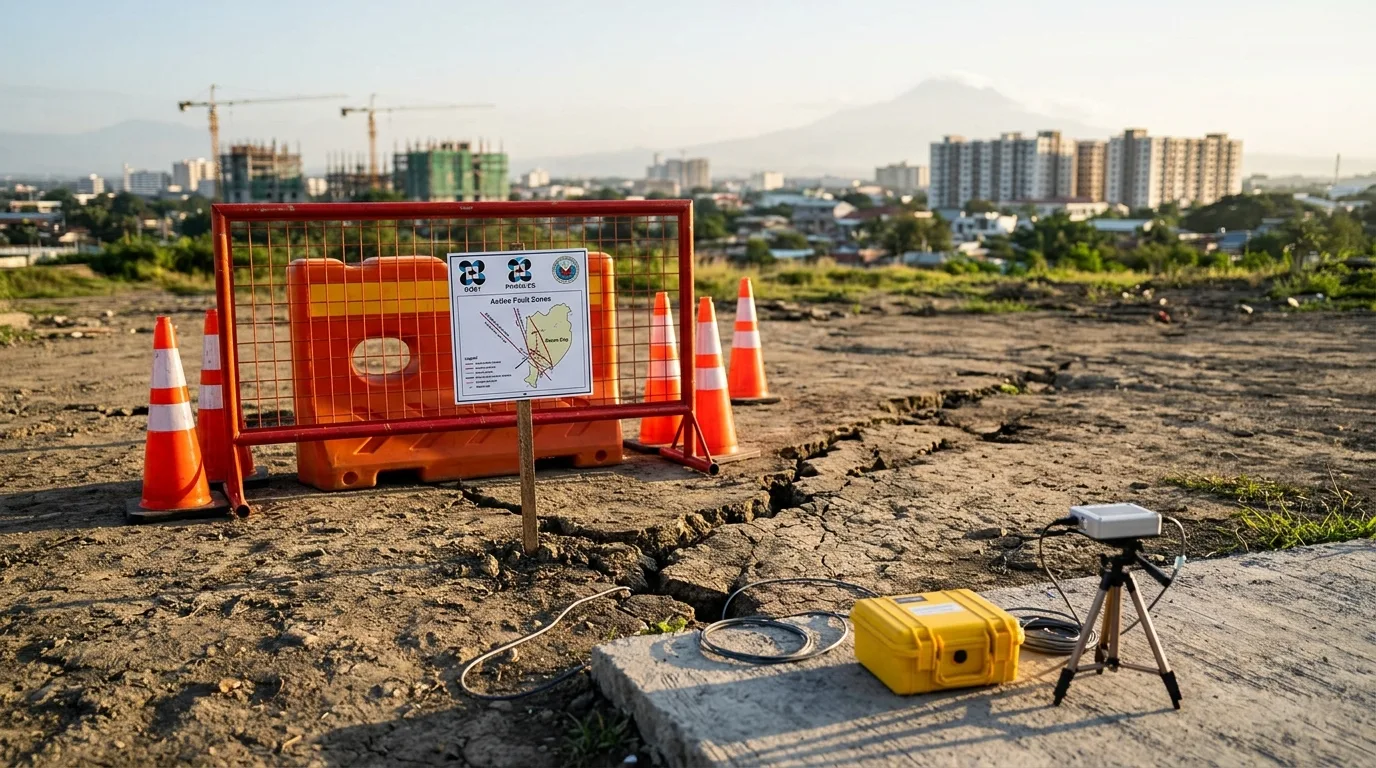
Davao — The Philippine Institute of Volcanology and Seismology (PHIVOLCS) has issued a vital reminder for residents of Davao City to prioritize seismic preparedness following the identification of five active fault lines traversing the urban landscape. As part of the 2026 National Disaster Resilience Month, experts have pinpointed these specific fault systems—the Tamugan, Lacson, Dacudao, Panyan-Biao (Escuela), and the New Carmen Faults—which hold the potential to generate significant earthquakes. By clearly identifying these geographical zones, the agency aims to move from passive awareness to proactive community action, ensuring that every Dabawenyo is equipped with the knowledge to stay safe when the ground begins to shake.
Mapping the City’s Seismic Footprint
While Davao City has historically been perceived as relatively safe from seismic activity compared to other regions, the scientific reality is that the city sits atop a complex web of tectonic features. Edward Louise Arquillas of PHIVOLCS revealed that the Davao Region itself is home to 18 active faults, with the five aforementioned systems posing a direct influence on the city's urbanized areas. Among these, the New Carmen Fault is of particular concern due to its proximity to the downtown district, specifically near the Maa area. These faults are classified as "active," meaning they have the potential for future displacement, a fact that makes routine structural inspections and adherence to the National Building Code absolutely essential for property owners and city planners alike.
Empowering Communities Through Science-Based Awareness
Beyond simply identifying these lines on a map, PHIVOLCS is actively working to integrate this data into the daily lives of residents through initiatives like the "Walk the Fault" program and local resilience caravans. The agency has noted that certain vital institutions, including public schools like Mintal and Los Amigos National High Schools, are situated near or directly above these fault segments, prompting ongoing validation studies to ensure student safety. By marking these traces and establishing buffer zones, the government is providing citizens with a clear spatial understanding of where risks are highest. This transparency is key to building a resilient city, as it encourages residents to prioritize retrofitting older, weaker structures and moving away from high-risk building practices.
The "No Panic" Protocol for Every Household
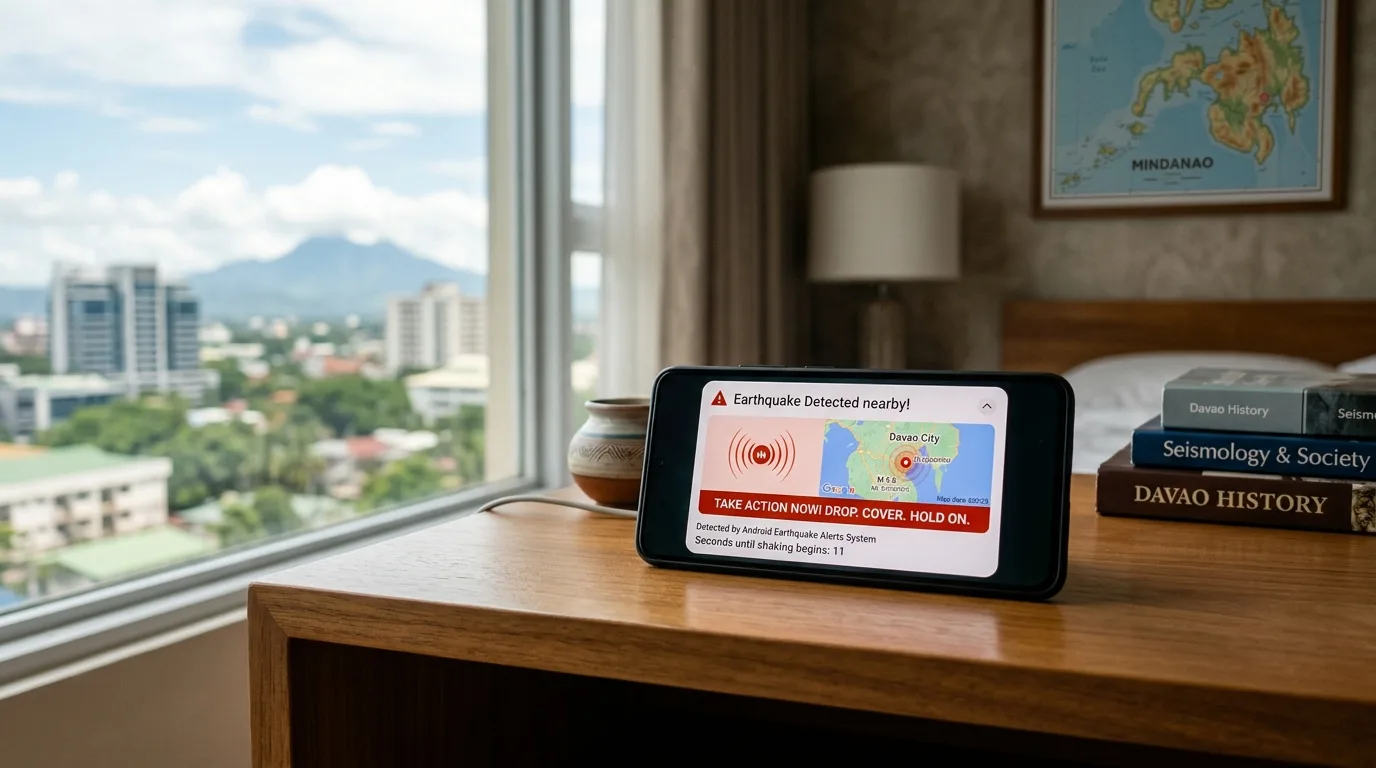
In the event of a seismic event, PHIVOLCS emphasizes that the most dangerous reaction is panic, which often leads to impulsive actions that increase the risk of injury. Their primary recommendation remains the universal "drop, cover, and hold on" protocol, coupled with a calm, deliberate move to a pre-identified safe zone. Residents are encouraged to participate in regular city-wide drills, maintain emergency "go-bags," and stay informed through official PHIVOLCS updates rather than social media speculation. As Davao continues to evolve into a major metropolitan hub, this shift toward a culture of constant readiness ensures that the city’s development is built on a foundation of safety, scientific literacy, and community-wide disaster resilience.