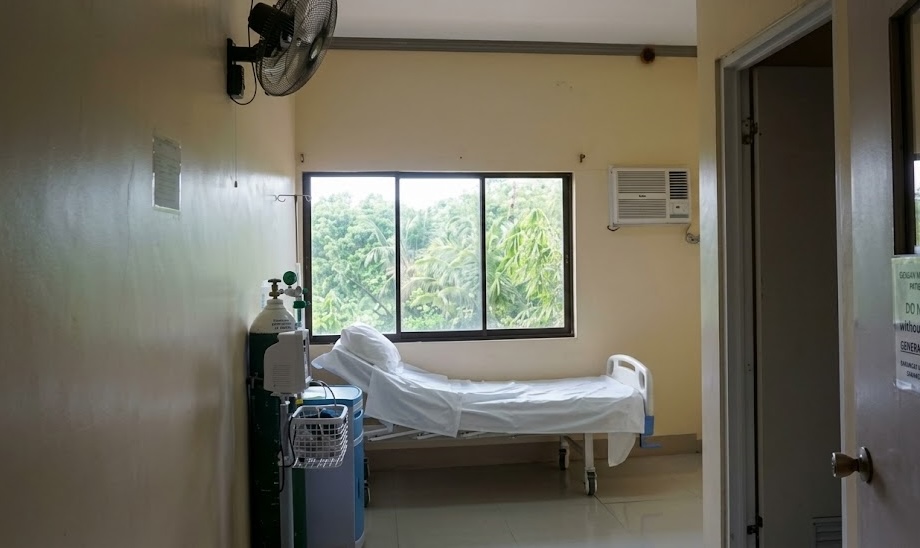
Cavite has etched its name in history by becoming the first province in the Philippines to pass a province-wide "Right to Care" ordinance, a landmark legislation ensuring no resident faces a medical emergency without a trusted loved one by their side.
A Law Born from a Personal Story of Love and Urgency
The journey of the CareCavite Ordinance began with a moment of profound realization for its author, Cavite 6th District Board Member Kerby Javier Salazar . In October 2023, his partner was rushed to the hospital, and amidst the worry and rush, Salazar found himself filling out forms and contacting family members just to get permission for necessary tests . He shared his experience with Quezon City Mayor Joy Belmonte, whose city had pioneered a similar policy, and from that conversation, the vision for Cavite's province-wide initiative took root . The ordinance was approved by the provincial board on April 20, 2026, and signed into law by Governor Abeng Remulla on May 4, 2026, marking a historic moment for the province .
Provincial Ordinance No. 532-2026, also known as the CareCavite Ordinance, is the first of its kind at the provincial level in the country . It defines a "qualified couple" as a pair in a romantic or committed relationship, regardless of sexual orientation or gender identity, ensuring that LGBTQIA+ couples, solo parents, and individuals without immediate family are no longer left powerless in critical medical situations . The ordinance addresses a significant gap in Philippine law where partners and chosen family are often excluded from decision-making processes in favor of biological relatives.
CareCavite ID: Empowering Families and Ensuring Dignity
At the heart of this compassionate legislation is the CareCavite ID, a renewable identification card issued to designated healthcare proxies . The ordinance requires both the principal and their chosen proxy to participate in the yearly renewal process, ensuring ongoing consent and agreement . Under the law, when a patient is mentally or physically incapable of making decisions, and a first-degree relative is unable or not present, the healthcare proxy is legally empowered to step in . The attending physician must certify the patient's incapacity, which is documented in the medical records before the proxy can exercise their authority, except in life-saving situations . This creates a clear, legal, and humane process that respects the patient's wishes and relationships.
Board Member Salazar emphasized that this measure demonstrates Cavite's commitment to inclusivity, compassion, and equal respect for everyone's healthcare rights . The provincial government is now finalizing the guidelines for the CareCavite ID's rollout and application, with healthcare providers to be oriented on its implementation . This ordinance is a testament to the province's progressive values, proving that Cavite is not just a place of history and progress, but a community that cares for the dignity and well-being of every single one of its residents . It builds upon the momentum of similar policies in cities like Quezon, San Juan, Dasmariñas, and Parañaque, and stands as a model for the entire nation.