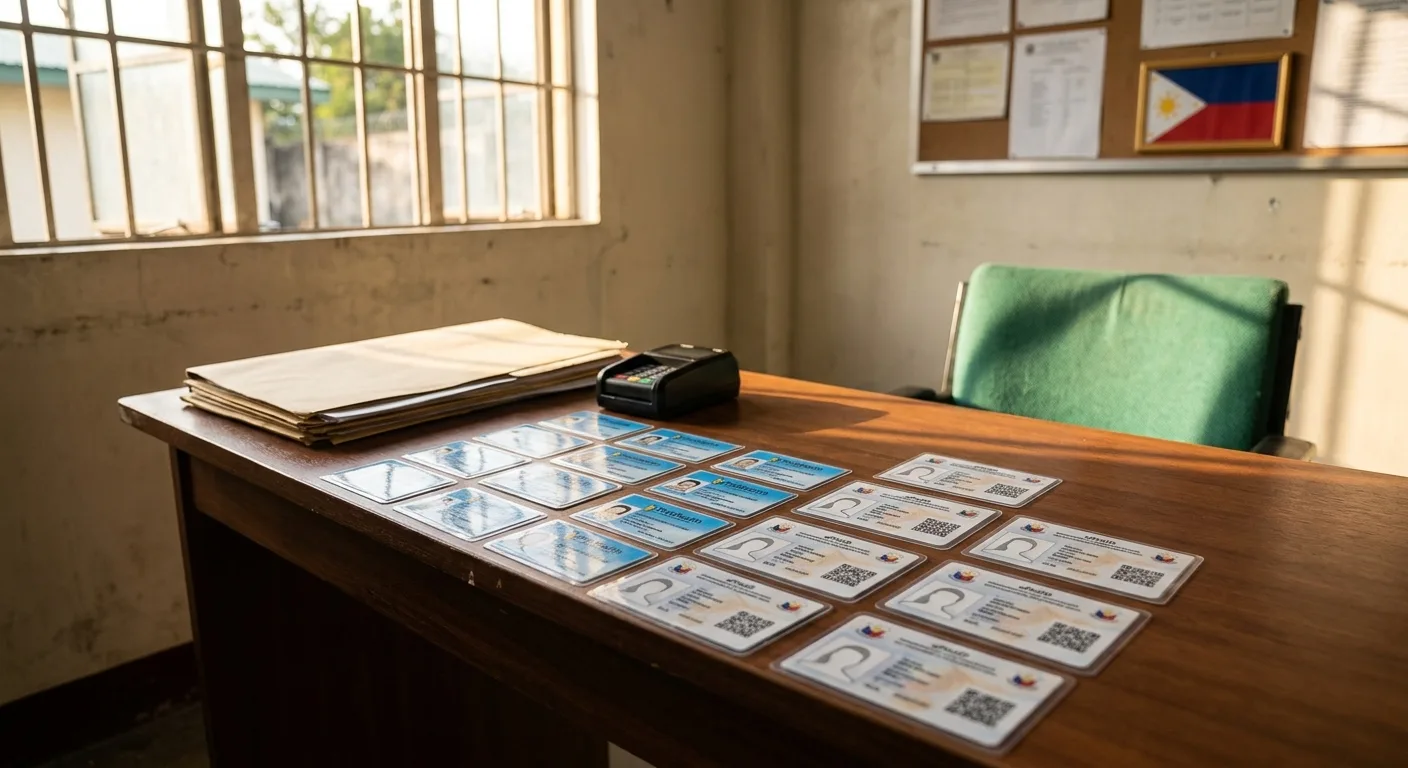
PALAWAN — In a significant stride toward inclusive governance, 24 Persons Deprived of Liberty (PDLs) at the Taytay District Jail in Palawan have officially received their PhilHealth identification cards and electronic Philippine Identification (ePhilID) cards. The distribution, held on June 29, 2026, was spearheaded by the Bureau of Jail Management and Penology (BJMP) through its dedicated Help Desk Program. By bridging the gap between individuals in custodial care and national government services, this initiative ensures that PDLs maintain their fundamental rights to healthcare and state-sanctioned identification, even while serving their sentences.
Empowering PDLs Through Documentation
The initiative, led by District Jail Warden Jail Chief Inspector Gilbert Anza, provided 10 PhilHealth cards and 14 ePhilIDs to qualified beneficiaries. This act is more than just a distribution of documents; it is a vital component of the BJMP’s broader rehabilitation and reintegration strategy. By securing valid government identification and healthcare coverage, these individuals are better positioned to access medical services, participate in social protection programs, and navigate future government transactions. For many PDLs, the lack of such documentation often serves as a silent barrier, and these cards act as a crucial link to the services necessary for their welfare and eventual transition back into their communities.
Strengthening Multi-Agency Collaboration
This effort highlights the growing importance of seamless collaboration among government agencies to ensure that no citizen—regardless of their legal status—is left behind. BJMP Mimaropa Regional Information Officer JO3 Joefrie Anglo emphasized that the Help Desk Program serves as a vital bridge, turning the bureau into an active facilitator of public service delivery within jail facilities. As the government continues to promote the Universal Health Care Act and digital identification initiatives, this milestone demonstrates that rehabilitation is not just about security, but about providing the resources necessary for a person to rebuild their life. Moving forward, the BJMP remains committed to integrating such vital services into its custodial care, proving that even behind bars, the government's duty to provide support and dignity remains steadfast.