PHILPPINES — SteelAsia Manufacturing Corporation and the Department of Migrant Workers sealed a three‑year agreement on June 30, 2026 that opens a direct employment pathway for returning overseas Filipino workers into the domestic steel industry. The partnership transforms repatriation from an end‑of‑contract event into a launchpad for local careers.
A Pact to Welcome Modern‑Day Heroes Home
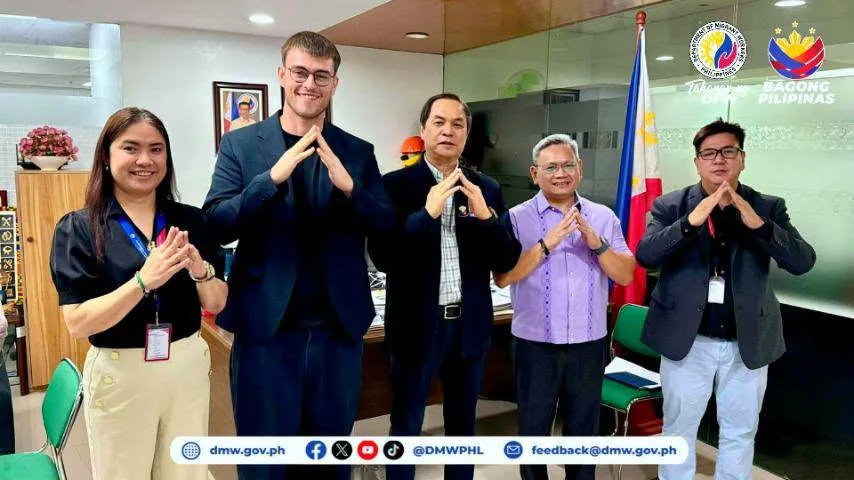
DMW Secretary Hans Leo Cacdac and SteelAsia Chairman and CEO Benjamin Yao signed the memorandum of agreement during the 2026 Migrant Workers Health Summit. The ceremony took place at the Occupational Safety and Health Center, witnessed by OFWs already working at SteelAsia’s upcoming steel sections mill in Lemery, Batangas. Their presence served as living proof that the program works.
Under the MOA, the DMW will grant SteelAsia access to a registry of returning OFWs whose skills and work experience align with the company’s job vacancies. The agency and the steelmaker will jointly manage the transition, ensuring that qualified applicants are smoothly absorbed into the local workforce. The agreement covers a three‑year period, with provisions for renewal and expansion.
Matching Global Skills with National Needs
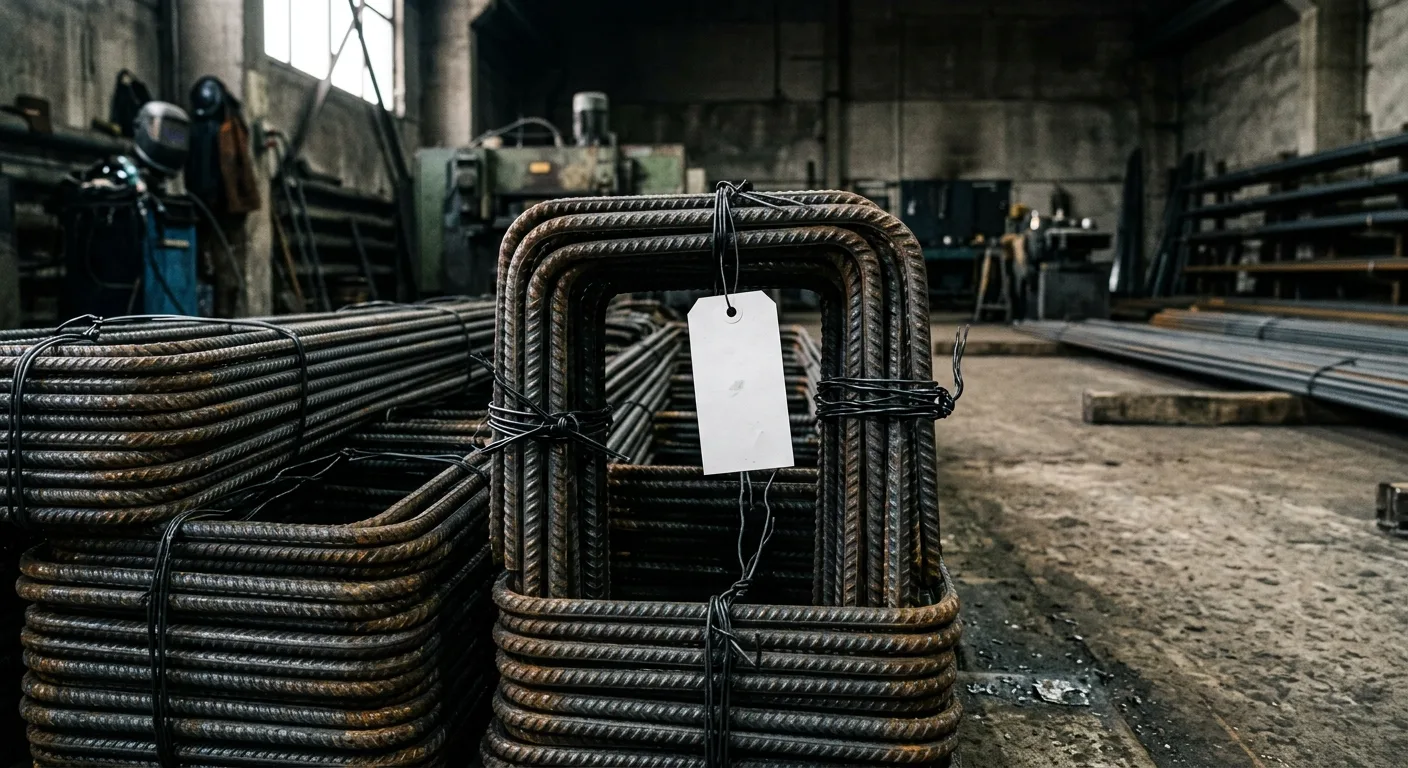
SteelAsia is the country’s largest steel producer and is rapidly expanding its manufacturing footprint. Its new structural steel sections mill in Batangas alone will produce heavy beams and sections that are currently imported entirely from abroad. Operating such a facility demands highly specialized industrial skills—precisely the kind that many returning OFWs have honed over decades in Middle Eastern steel plants.
The DMW’s National Reintegration Program maintains a database of repatriated workers, profiling their technical competencies and career preferences. By cross‑referencing this data with SteelAsia’s vacancy list, the partnership ensures a precise match. For the company, it means access to a pool of world‑class talent without the steep costs of training new hires from scratch.
World‑Class Experience Returns Home
Benjamin Yao described the agreement as a triple win. “We are not only bringing breadwinners closer to their families—we are also getting back world‑class skills and experience to develop the country’s steel industry,” he said. His words captured the core promise of the initiative: reuniting families while accelerating industrial self‑sufficiency.
SteelAsia has already recruited 106 repatriated OFWs to help commission the Lemery plant, drawing heavily on workers who built careers in Saudi Arabia and Bahrain. These veteran technicians bring decades of operational expertise, enabling the facility to meet international standards from day one. Their successful reintegration offers a blueprint for future batches of returning workers, proving that good jobs at home can match the rewards of overseas employment.
A Broader Push for Full‑Cycle Reintegration
The SteelAsia deal is part of a wider DMW effort to build a comprehensive reintegration ecosystem. The department has been signing similar agreements with healthcare providers and logistics firms, ensuring that returning OFWs have access to employment, health services, and financial literacy programs. The goal is to shift the narrative from crisis repatriation to sustainable, long‑term economic resilience.
During the same health summit, the DMW also sealed pacts with the Department of Health and Healthway Medical to provide free medical care and repatriation support for ailing workers. These layered interventions form a safety net that catches OFWs at every stage of their journey home. The SteelAsia MOA adds a critical livelihood component to that net, turning repatriation into a genuine opportunity rather than a setback.