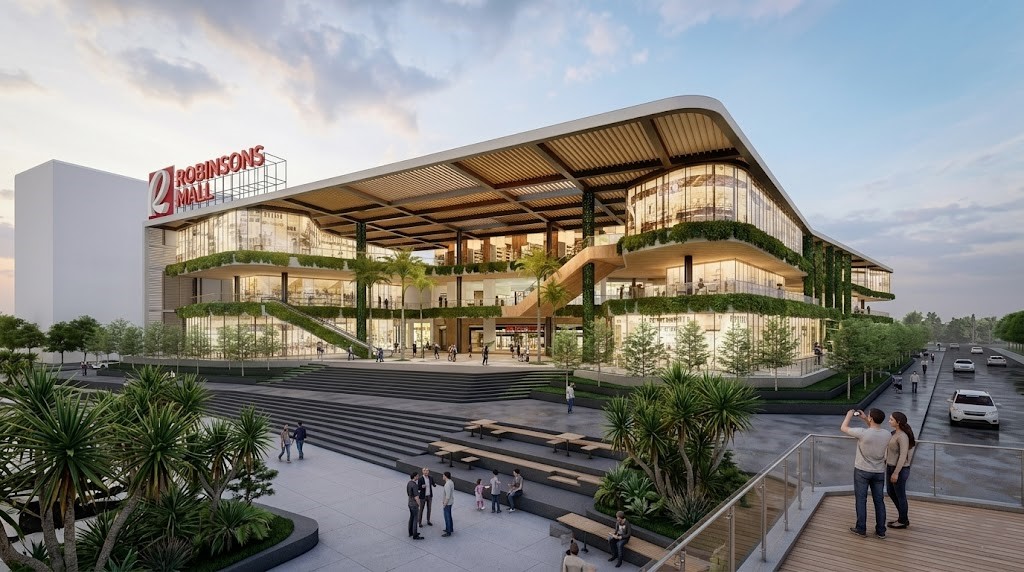
Developers are preparing new retail spaces across Bacolod, but the goal no longer revolves around shopping alone. Newer plans include entertainment zones, dining clusters, open-air areas, and mixed-use developments where residential and commercial spaces blend together. That creates places where people stay for hours instead of making quick purchases. It also changes how malls compete with each other.
The strongest foot traffic often gathers around food areas rather than retail stores. Bacolod’s dining culture naturally fits that direction because people already associate gatherings with restaurants and cafés. Malls understand that visitors are more likely to stay longer when dining options feel varied and social. Some developments are even using local food identity as part of their branding strategy.
Commercial projects are slowly stretching Bacolod’s busiest activity centers beyond traditional downtown zones. New developments along major roads are opening space for residential towers, offices, and hospitality projects nearby. That spread may eventually change traffic patterns and weekend routines. Areas once considered quiet are now turning into regular stopovers for dining and leisure.