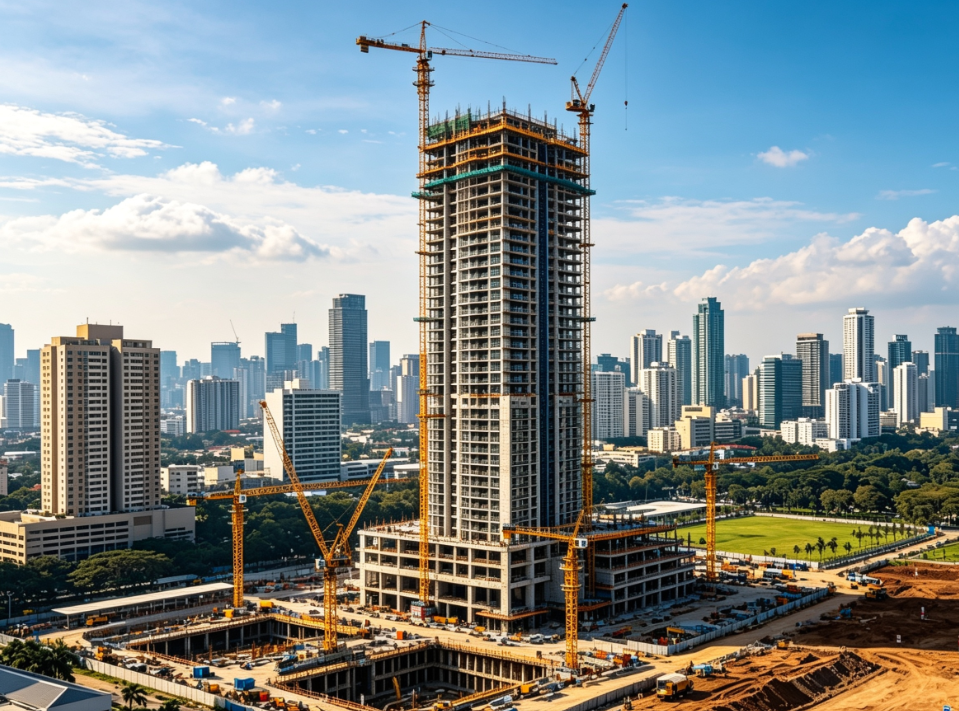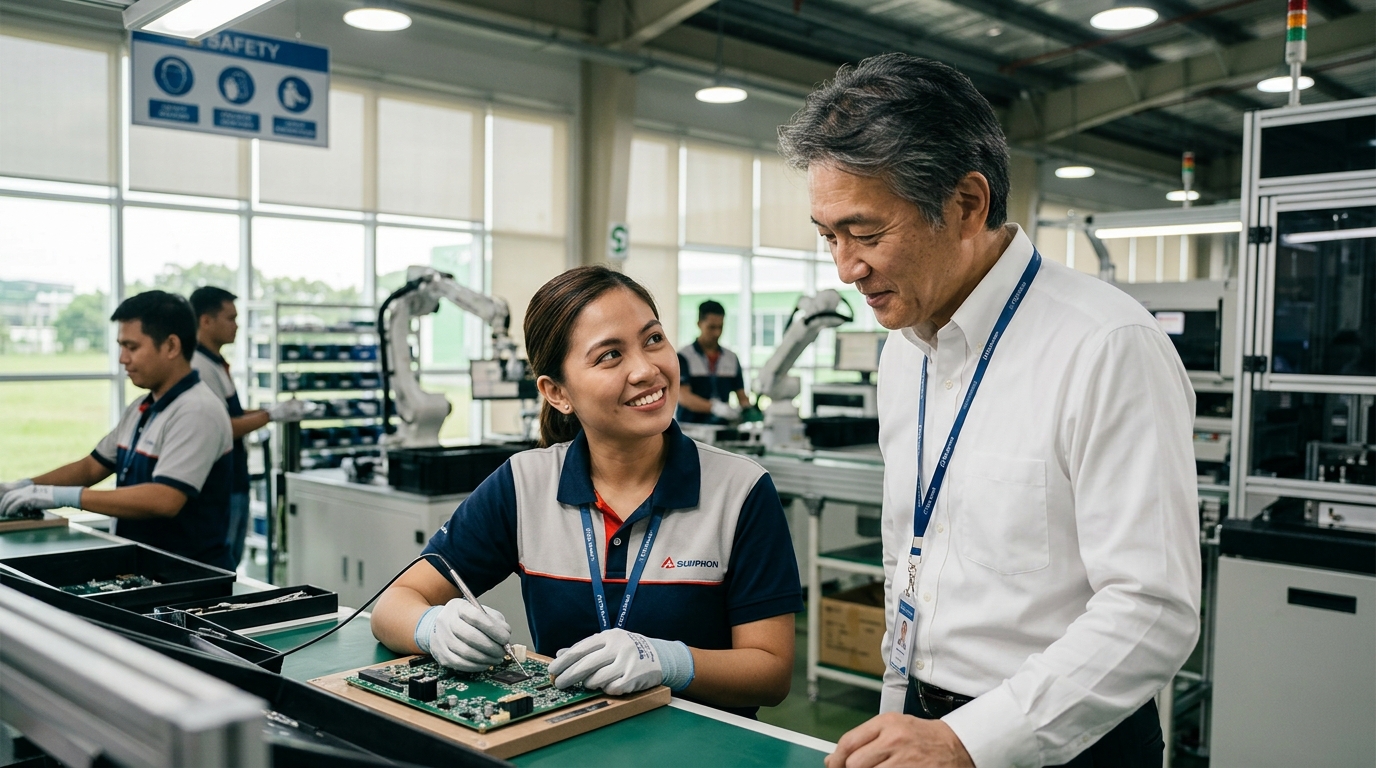
Japan — The Philippine economy is set to receive a significant boost with the recent announcement of over P56 billion in new investments from four major Japanese companies. According to reports from PTVNewsTonight, these substantial commitments signal renewed confidence in the nation's economic landscape and are poised to create a ripple effect across various sectors, impacting the daily lives and future prospects of countless Filipinos. While specific details regarding the names of the companies or the exact industries targeted have yet to be disclosed, the sheer volume of the investment underscores a positive outlook for the country's economic trajectory.
Generating Sustainable Domestic Careers and Minimizing Overseas Reliance
This influx of capital from one of the world's leading economies is expected to translate into tangible benefits, primarily through the generation of new employment opportunities. For many Filipinos, this could mean more stable jobs, better wages, and reduced pressure to seek work abroad. The P56 billion investment also suggests potential advancements in infrastructure, technology, and manufacturing, fostering an environment ripe for skill development and economic diversification.
Enhancing Gross Domestic Product Stability and Strengthening Currency Purchasing Power
For the Philippines, securing such substantial foreign investment is critical for sustained economic growth and development. It can lead to increased productivity, higher gross domestic product (GDP), and improved public services through enhanced tax revenues. A robust economy powered by foreign direct investment can also strengthen the Philippine peso, making imports more affordable and potentially easing the cost of living for families across the archipelago. This economic stability is particularly vital in a global landscape marked by uncertainties, providing a stronger foundation for the nation's long-term prosperity.
Fostering Family Reunification and Incentivizing Diaspora Reintegration
This development carries profound implications for both Filipinos residing in the country and Overseas Filipino Workers (OFWs). For those at home, new job creation could offer a viable alternative to overseas employment, allowing families to stay together. For OFWs, a stronger domestic economy could mean enhanced support systems for their families back home and potentially more attractive opportunities should they choose to return. While the full scope of these investments will become clearer as more details emerge, they represent a hopeful sign for a more dynamic and opportunity-rich Philippines, fostering an environment where more Filipinos can thrive within their homeland.