ILOILO CITY — On March 31, 2026, Iloilo City proudly embraced a recognition that places it on a global map few Philippine cities have ever reached. The United Nations Secretary-General's Advisory Board on Zero Waste, supported by UN-Habitat and the UN Environment Programme, named the city as one of the inaugural "20 Cities Towards Zero Waste" worldwide. Iloilo joins San Fernando, Pampanga, as the Philippines' only representatives in a list that spans from San Francisco and Bologna to Yokohama and Accra. The announcement, made ahead of the International Day of Zero Waste on March 30, was not an award for a single project but a validation of a city-wide movement that has been quietly redefining what it means to be a highly urbanized city in a climate-stressed era.
The recognition arrived at a moment when the world generates more than 2.1 billion tonnes of municipal solid waste annually, making cities the critical frontline of the global waste crisis. José Manuel Moller, Deputy Chair of the UN Advisory Board on Zero Waste, captured the spirit behind the selection: "These 20 cities matter, not because they have the best roadmaps on paper, but because they are turning ambition into action. What sets them apart is their willingness to implement real solutions, from source segregation and composting to reuse systems, informal sector inclusion, and citizen engagement. They are showing that zero waste is not a distant vision or a communications exercise. It is practical, local, and achievable when cities lead by example."
The SIRCOL Framework: Where Numbers Meet Action
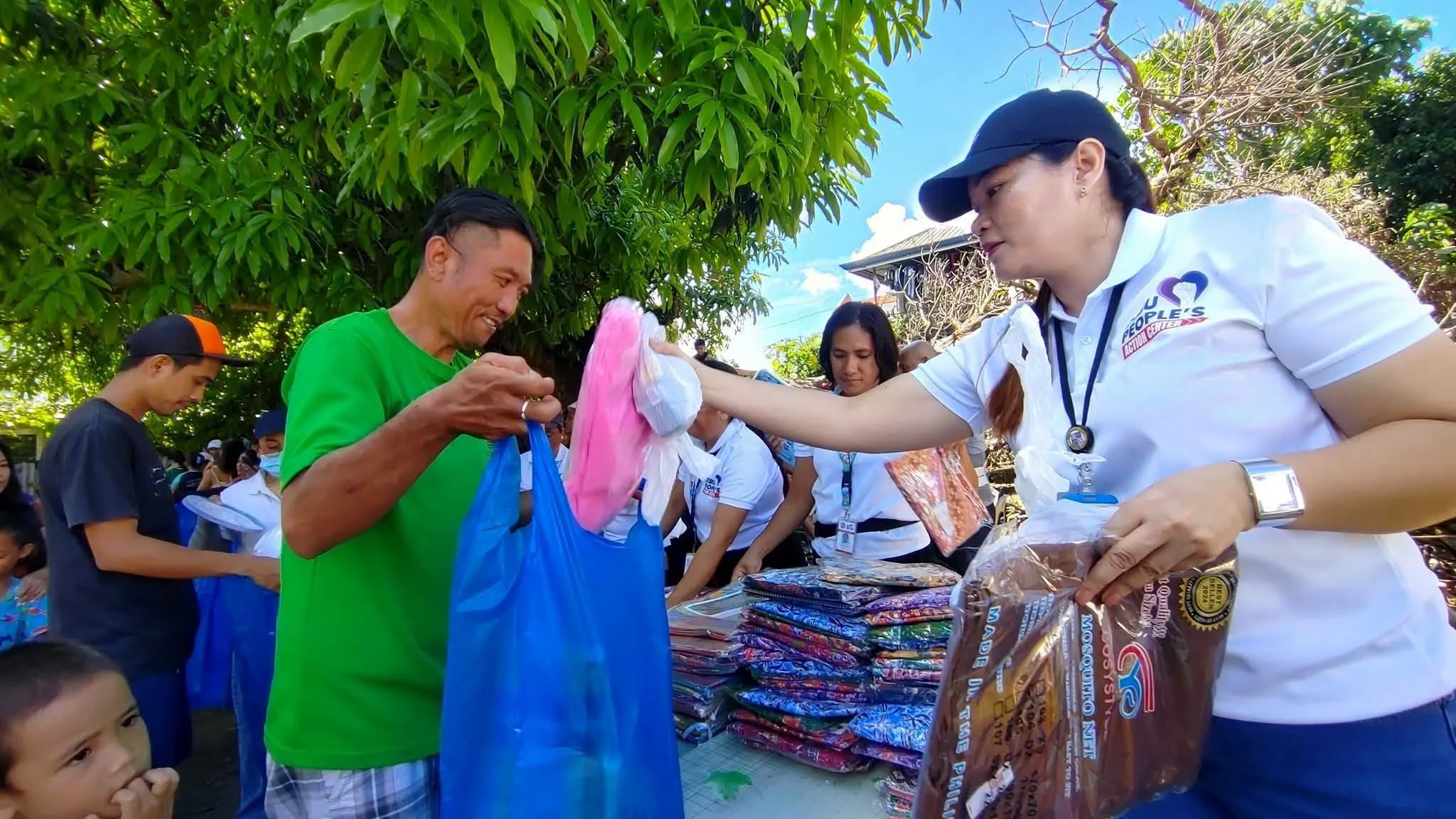
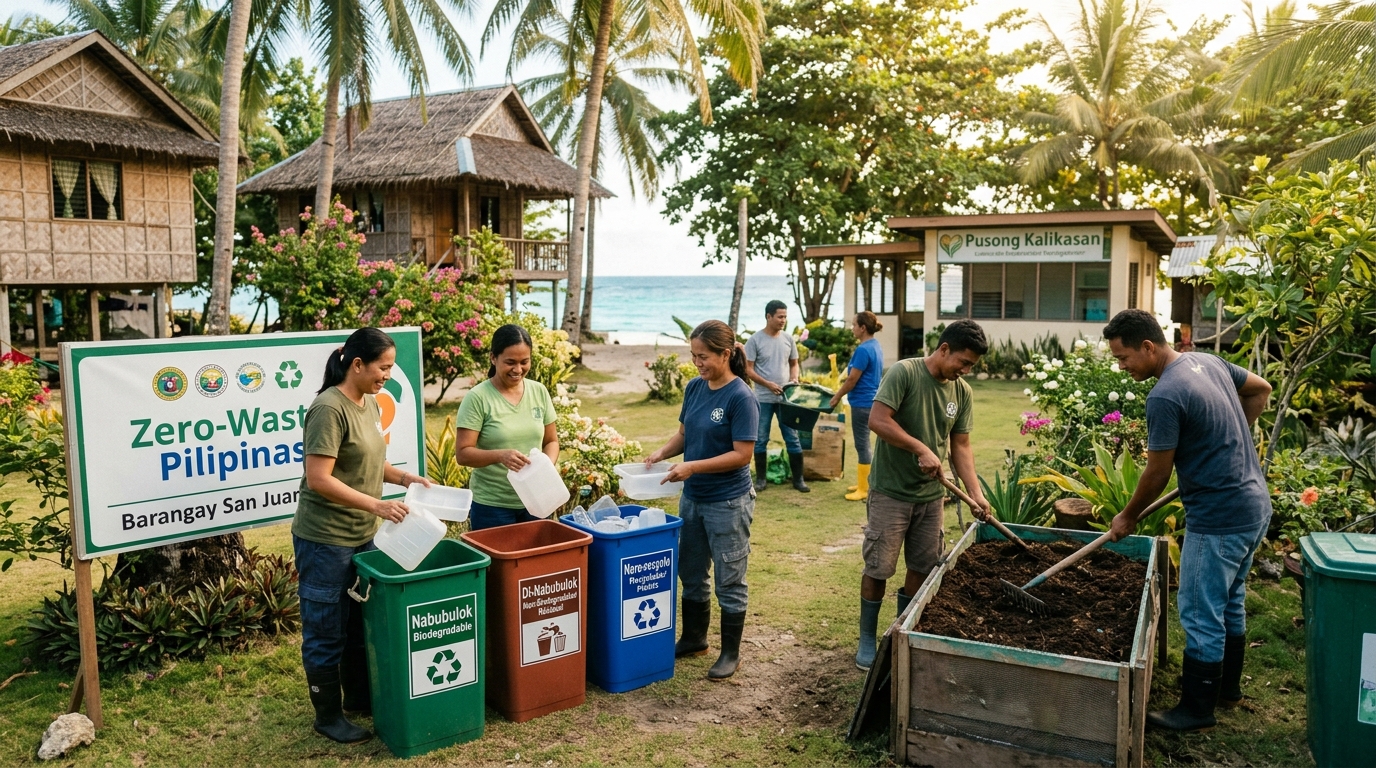
Behind the global recognition lies a data-driven local engine. Iloilo City's Sustainable and Inclusive Resource Circularity (SIRCOL) program has produced measurable results: 2,290 metric tons of waste diverted from the landfill, PHP16.3 million generated from recyclable waste recovery and plastic credits, and 2,748 metric tons of carbon dioxide equivalent in greenhouse gas emissions avoided. The program has created 360 green livelihood opportunities and reached 10,000 individuals through awareness campaigns conducted in strong collaboration with 12 key partners.
Mayor Raisa Treñas framed the recognition in terms that connect Iloilo's local efforts to a larger planetary imperative. "This global acknowledgment affirms that our local efforts are contributing to a much bigger movement toward sustainability, climate action, and responsible urban development," she said. "This is not a single, isolated program—it is a unified, city-wide movement that integrates multiple sustainability goals. Through this, we are positioning Iloilo City as a champion of a resilient, inclusive, innovative, and environmentally sustainable urban ecosystem."
General Services Office head Neil Ravena acknowledged the scale of the challenge: considering the population of a highly urbanized city, achieving zero waste might seem impossible. "However, we emphasized here that we have recycling initiatives and waste diversion techniques for reduced disposal at the sanitary landfill," he said. Ravena pointed to the forthcoming Integrated Solid Waste Management Facility, which will deliver a waste-to-energy capacity and a diversion target of up to 90 percent. "This will give us a picture of a zero-waste, highly-urbanized city," he said.
Waste Pickers, Global Funding, and the Long Game
A distinctive feature of Iloilo's zero-waste approach is its integration of informal workers into the formal waste management system. The city organized a waste pickers association that actively participates in waste diversion—a model that the UNEP specifically highlighted as exemplary. Ravena confirmed that the association's role was emphasized in the documentation submitted to UNEP in September 2025, and that this inclusion was a factor in the city's selection.
The recognition carries practical benefits beyond prestige. "We will be monitored by the UNEP in some of our programs, and we can now access some of the United Nations funding institutions that will help us expedite all the projects and waste diversion initiative," Ravena said. This access to global funding transforms the recognition from a ceremonial citation into a development tool—one that could accelerate infrastructure projects, deepen community engagement, and scale the innovations that earned Iloilo its place on the list. The Department of the Interior and Local Government Region VI commended the city, describing it as "a model of local governance that responds to global challenges."
For Iloilo, the recognition also complements its growing portfolio of global distinctions—UNESCO Creative City of Gastronomy, ASEAN Clean Tourist City, and now a UN zero-waste pioneer. Each credential reinforces the narrative of a city that has chosen to build its future not on grand promises but on granular, measurable progress. As Mayor Treñas put it, the city remains steadfast, pursuing "one ambitious and innovative step at a time."