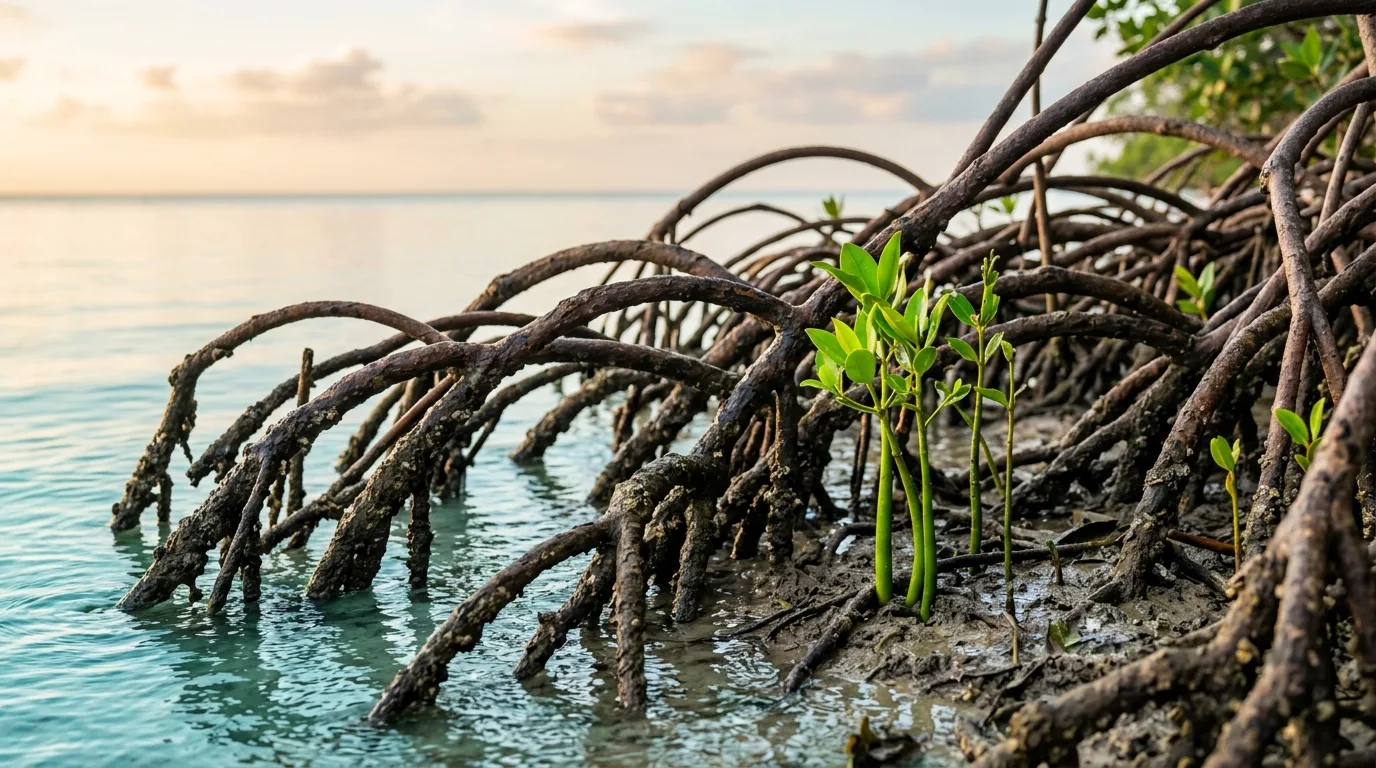
ILOILO CITY — The city government has drawn a firm line along its shoreline with the passage of the Coastal Greenbelt Zone Ordinance on July 1, 2026. The new law creates a mandatory 100‑meter buffer along all coastal barangays and imposes a total ban on reclamation, safeguarding 110 hectares of mangrove forests that serve as the city’s natural storm barrier.
A Greenbelt to Defend the Shoreline
Authored by Councilor Romel Duron and approved unanimously by the city council, the ordinance designates a coastal greenbelt zone spanning 100 meters inland from the mean high‑water mark. The protection covers all 32 of the city’s coastal barangays, including the Molo Boulevard coastline and barangays in Jaro and La Paz. The buffer is designed to be a permanent, inviolable shield against the 20 to 25 typhoons that batter the Philippines each year.
Within this zone, the construction of any permanent or temporary structure is strictly prohibited. Any building found in violation will be declared a public nuisance and subjected to immediate summary demolition at the expense of the owner or developer. The rule closes the door on incremental encroachment that has eroded mangrove cover for decades.
Reclamation Ban and Strict Penalties
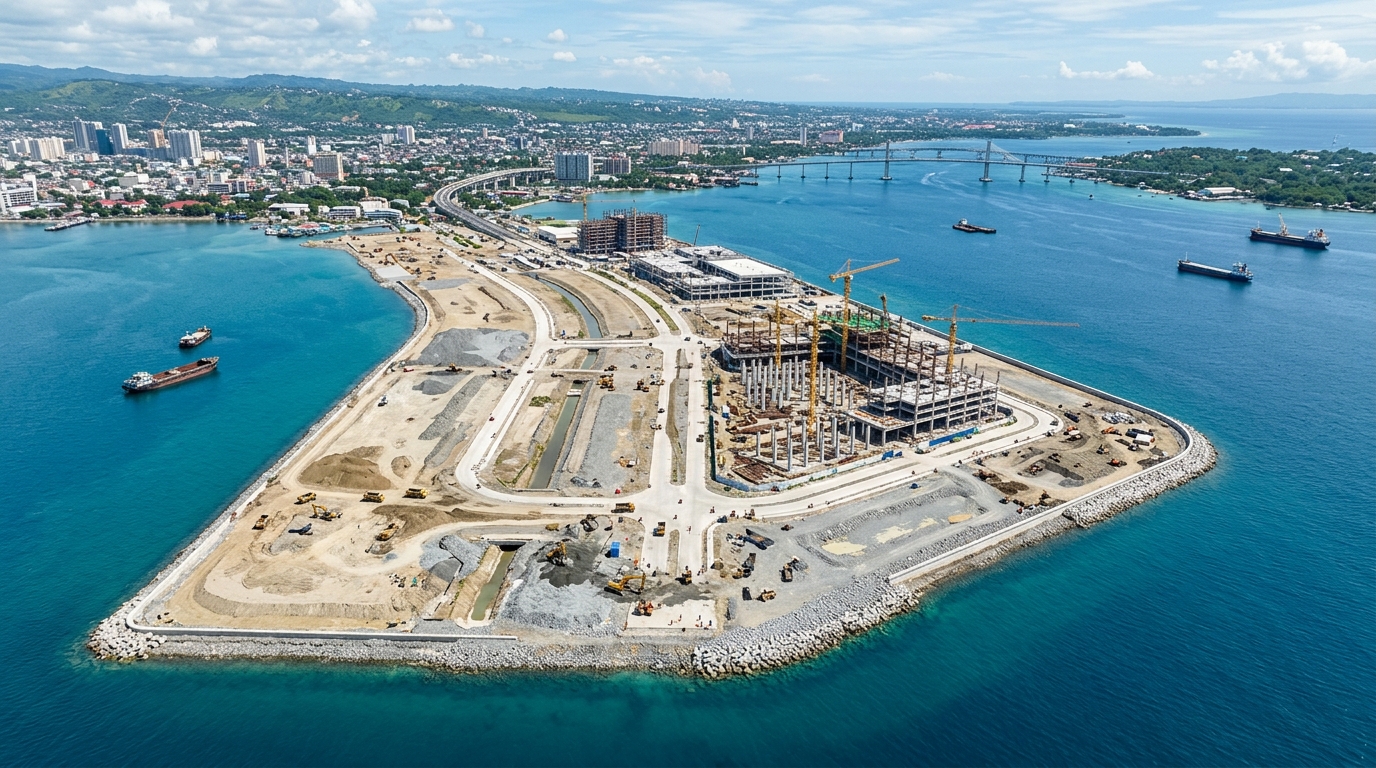
The ordinance goes beyond prohibiting buildings; Section 8 flatly bans all forms of coastal reclamation. The dumping of filling materials and any artificial land expansion within the greenbelt and its immediate marine frontiers are now illegal. City government offices are also barred from proposing or endorsing any reclamation activity in these protected areas.
The penalties are designed to deter even well‑funded developers. Individuals face fines of ₱2,500 per offense and up to two months of imprisonment, while commercial establishments risk higher fines of ₱4,000 and cancellation of their business permits. The person responsible in a company can also be jailed for up to six months.
Artisanal fishing by registered fisherfolk using non‑destructive gear is still permitted, provided mangrove roots remain undamaged. Mangrove pruning and the collection of propagules for commercial use or transport outside the city require a mayor’s permit. The restrictions aim to stop the large‑scale damage caused by illegal fishpond conversions and waste dumping, which have been the primary drivers of mangrove loss.
Governance and Annual Funding
A coastal greenbelt zone committee chaired by Mayor Raisa Treñas will oversee enforcement. High‑visibility boundary buoys and onshore monuments will mark the seaward and landward limits to remove any ambiguity about where the protected zone begins and ends. The ordinance further mandates an annual allocation of ₱5 million for implementation, public education, and monitoring.
The committee will coordinate with the City Environment and Natural Resources Office and the Iloilo City Police Office, which have already been leading community mangrove‑planting and coastal clean‑up drives. The dedicated funding ensures that enforcement does not stall for lack of resources. The presence of physical markers is expected to deter accidental or intentional violations by making the boundaries unmistakably clear.
Alignment with National and Global Standards
Iloilo City’s action aligns with a national directive for local governments to establish and protect coastal greenbelts. Environmental group Oceana has recorded at least 20 similar zones already established across the country, including in Bataan, Negros Occidental, and Leyte. The Department of the Interior and Local Government has consistently pushed for these buffer zones as front‑line measures in disaster risk reduction and climate adaptation.
Scientists and advocates have long argued that mangroves are far more effective than concrete seawalls. They can reduce wave heights by up to 75 percent and provide critical nursery habitats for marine life. With the Philippines having lost more than half of its original mangrove cover since the early 20th century, Iloilo’s ordinance is seen as an urgent and replicable blueprint for coastal communities nationwide.
A Boon for Long‑Term Property Resilience
For real estate stakeholders, the ordinance sends a strong signal that waterfront property in Iloilo City will be insulated from unregulated development that could otherwise degrade its value. The permanent greenbelt stabilizes shorelines, reduces flood risk, and preserves the scenic coastal landscapes that make the area attractive to investors and homebuyers.
While some may view the reclamation ban as a constraint, the ordinance actually protects existing and future property assets by ensuring that coastal erosion and storm‑surge damage are mitigated naturally. A well‑protected coastline raises the resilience of adjacent residential and commercial zones, supporting sustained property appreciation.