CEBU CITY — Mayor Nestor D. Archival announced on June 29, 2026 that an artificial intelligence system for traffic signal management will be fully operational within five days. The upgrade, alongside a dedicated motorcycle lane and new loading regulations, is poised to make city living more attractive and support real estate growth.
A Smarter Commute Drives Property Demand
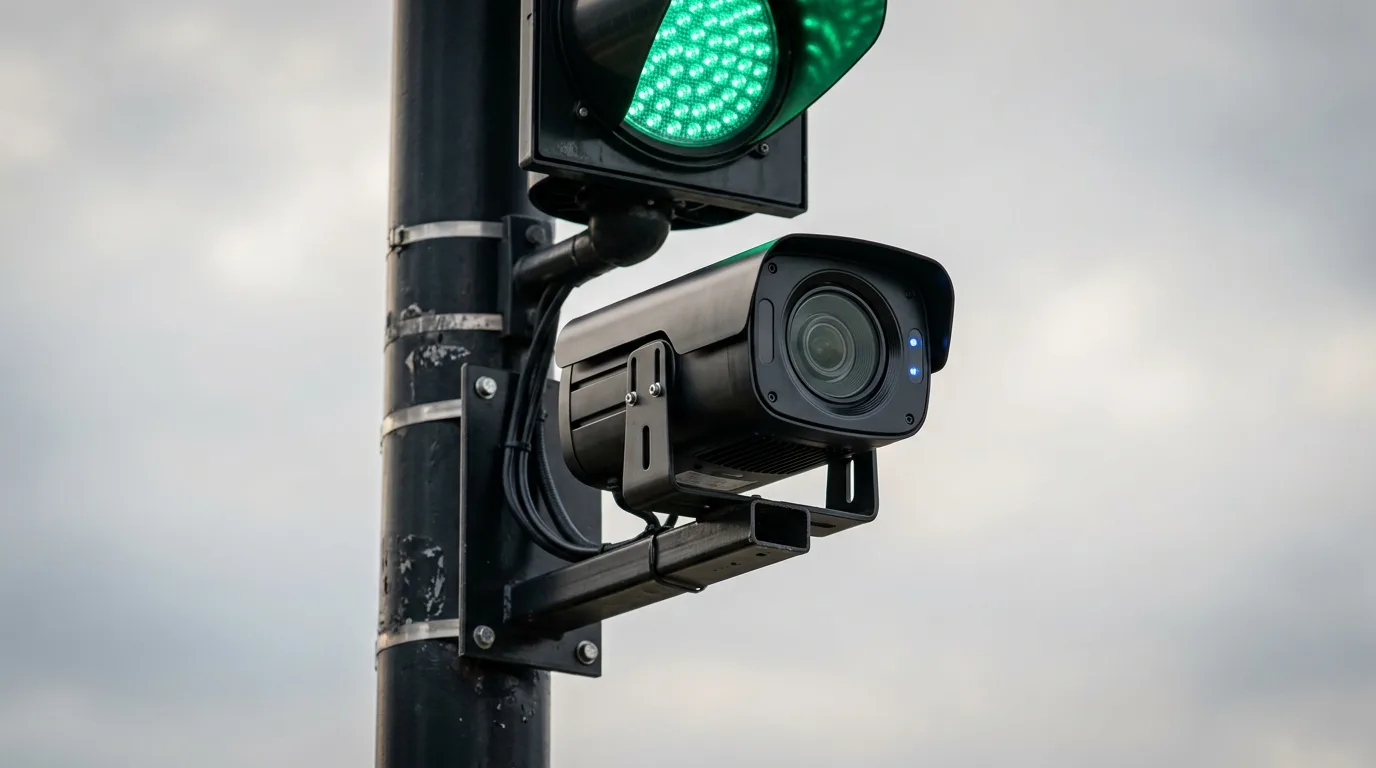
The AI-assisted traffic system uses adaptive signal control, detecting real‑time vehicle queues to adjust green‑light durations dynamically. Unlike fixed timers, this technology reduces idle time at intersections and smooths traffic flow across key corridors. A more predictable commute makes residential and commercial areas more desirable, directly boosting property values.
Cebu City Transportation Office (CCTO) Assistant Head Atty. Kent Francesco Jongoy previously urged the public to give the innovation time to calibrate, noting that the long‑term payoff is faster, data‑driven mobility. Investors and homebuyers value such infrastructure upgrades because they signal a city committed to modern, efficient services. Improved traffic flow also enhances accessibility to business districts, schools, and hospitals, strengthening demand for nearby properties.
Safety and Accessibility for All Road Users
The city is studying a dedicated motorcycle lane along the outermost right side of major roads, expanding on the successful Banilad‑Talamban (BanTal) pilot. This additional lane is designed to protect riders and reduce dangerous lane‑weaving without limiting motorcycles to a single path. Safer streets are a powerful amenity for families choosing neighborhoods, and they encourage foot traffic that supports local retail.
Mayor Archival clarified that the lane is an option, not a restriction, aimed at improving overall traffic discipline. For property developers, a city that prioritizes road safety and multi‑modal access becomes a more compelling location for residential projects. The initiative is expected to lower accident rates and enhance the livability of densely populated corridors.
Clearing Bottlenecks to Unlock Commercial Potential
Ongoing congestion from indiscriminate loading and unloading along Jones Avenue (Osmeña Boulevard) is being tackled through designated Public Utility Vehicle lay‑bys. These physical pull‑off zones will prevent jeepneys from blocking primary lanes, easing the bumper‑to‑bumper delays that frustrate commuters and deter business activity. Smoother traffic flow enhances the appeal of commercial spaces along the corridor.
The city government is finalizing these measures in the coming weeks, signaling a proactive approach to urban management. For real estate, reduced congestion means better access to shops, offices, and services, which can translate into higher occupancy rates and rental yields. Such micro‑infrastructure improvements often spur investment interest in surrounding areas.
A Broader Modernization Blueprint for Cebu City
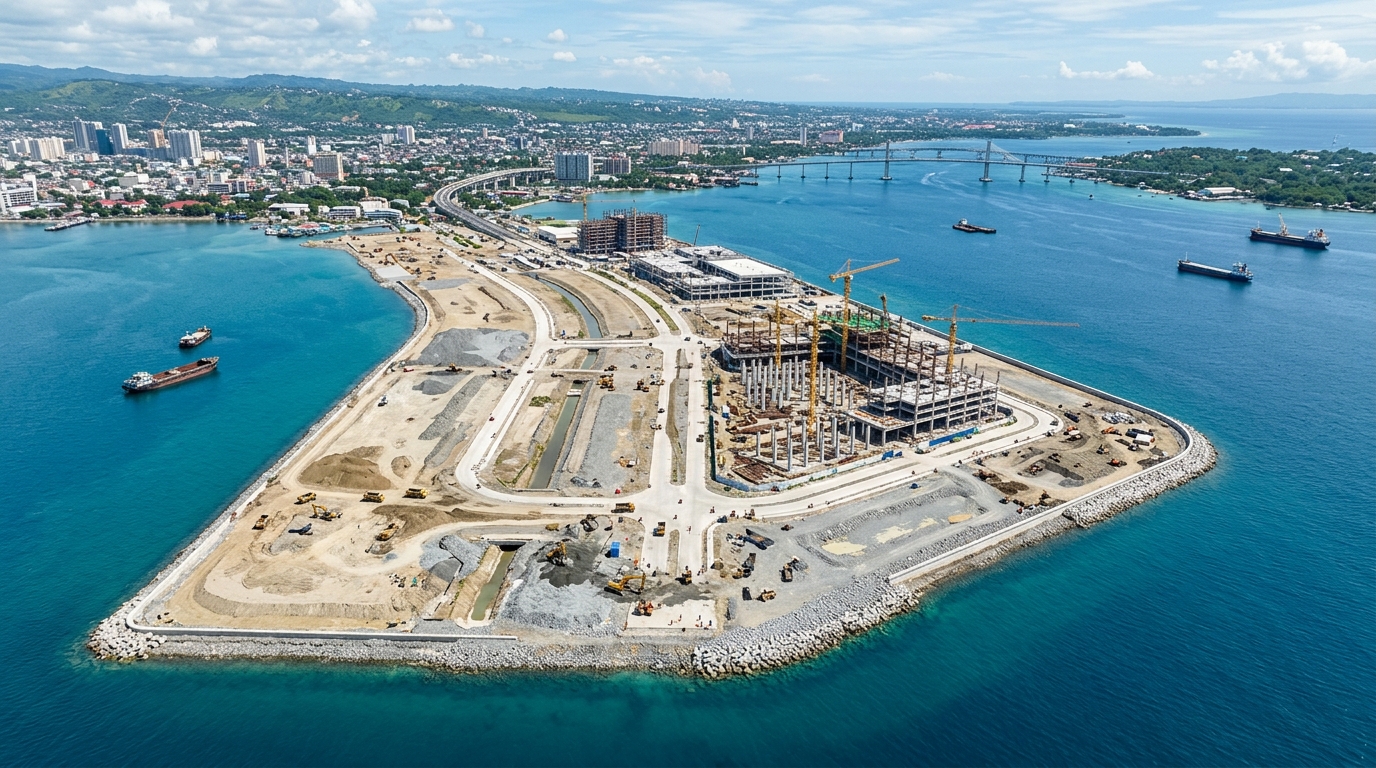
These initiatives are part of a larger traffic modernization strategy that includes expediting laser speed detectors along the South Road Properties to curb overspeeding. Each component—from AI signals to motorcycle lanes and PUV lay‑bys—addresses a different pain point in the city’s mobility network. Together, they create a more livable urban environment that is ripe for sustained real estate development.
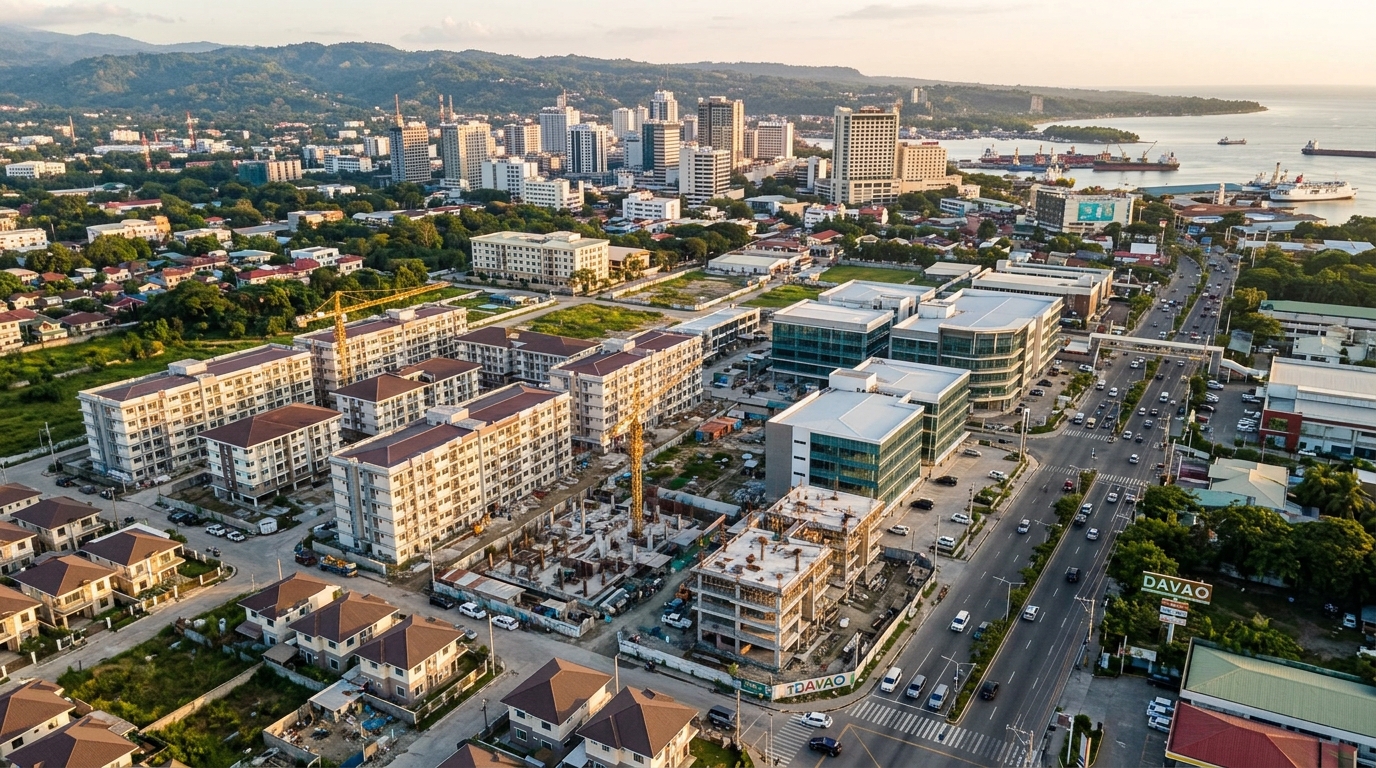
As Cebu City races to accommodate its growing population and economic activity, infrastructure that enhances mobility becomes a critical selling point. The upcoming AI activation and complementary road reforms demonstrate a government focused on future‑ready solutions, giving both residents and investors reason to view Cebu City as a stable, forward‑thinking place to call home.