The Workforce That Appears When It Is Needed Most
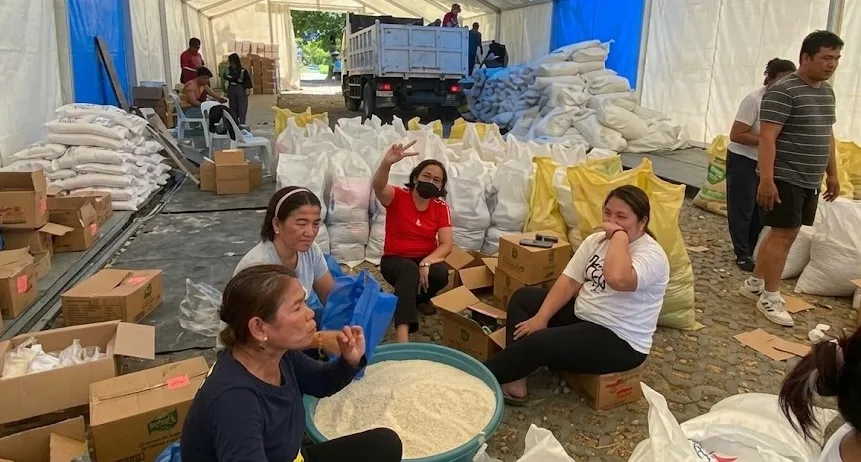
GENERAL SANTOS CITY - Disaster recovery depends heavily on labor. After the earthquake, assessments, rescue operations, infrastructure inspections, and utility restoration became immediate priorities. Each task required trained personnel working under difficult conditions. Electricians, equipment operators, engineers, and public safety workers contributed to efforts that allowed affected communities to begin rebuilding. Their role demonstrates how workforce readiness is closely connected to a city's ability to respond during emergencies.
Skills That Matter Beyond Emergencies
Recovery periods often draw attention to occupations that may receive less public recognition during ordinary times. Technical trades, engineering services, healthcare support, logistics, and disaster management all become indispensable. For young professionals and job seekers, these events can highlight career paths that combine public service with long-term employment opportunities. The experience also reinforces the value of training programs that develop practical and specialized skills relevant to infrastructure and community resilience.
Looking at Employment Through a Different Lens
Employment discussions usually focus on hiring numbers and business growth. Recovery situations introduce another perspective: workforce capability. Cities benefit when they have access to workers who can adapt to urgent needs while supporting long-term rebuilding. General Santos City's experience demonstrates how employment is not only an economic issue but also a community asset. A capable workforce helps businesses reopen, public services resume, and residents regain confidence as recovery progresses.