Cebu — Economic data released on July 7, 2026, by the Philippine Statistics Authority (PSA) brings a cautious sense of optimism to the region: headline inflation in Central Visayas has eased for the second consecutive month. After hovering at a challenging 10.8 percent throughout May, the region’s inflation rate slowed to 10 percent in June 2026. While this deceleration marks a positive trend, the region continues to grapple with the highest price growth in the country, keeping pressure on household budgets and signaling that the path toward price stability remains a significant hurdle for the local economy.
Food Prices Remain the Primary Pressure Point
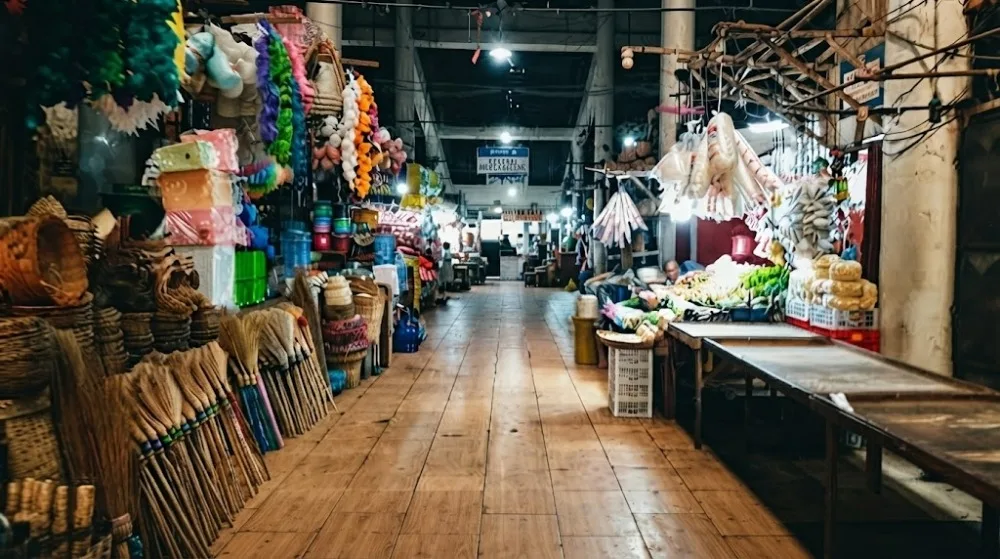
The slight easing of inflation is primarily attributed to a moderation in the "Food and Non-Alcoholic Beverages" index, which dropped to 14.2 percent in June from 15.2 percent the previous month. Despite this cooling, food costs remain the most significant driver of regional inflation, with the rate currently sitting nearly three times higher than the national average of 5.2 percent for the same category. For many families, especially those in the lower income brackets, this means that while the pace of price increases has slowed, the absolute cost of essential commodities like cereals, fish, and vegetables remains historically high compared to the previous year.
Navigating the National Economic Context
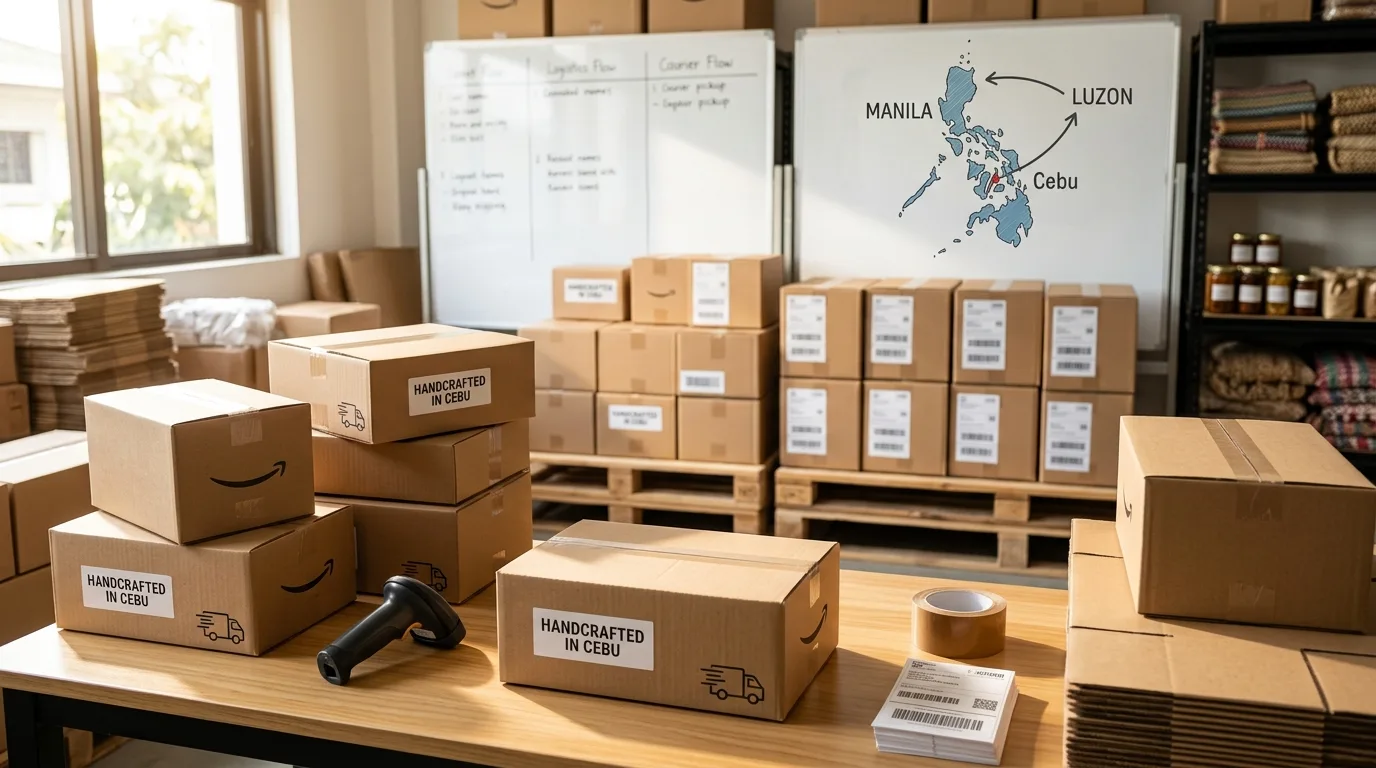
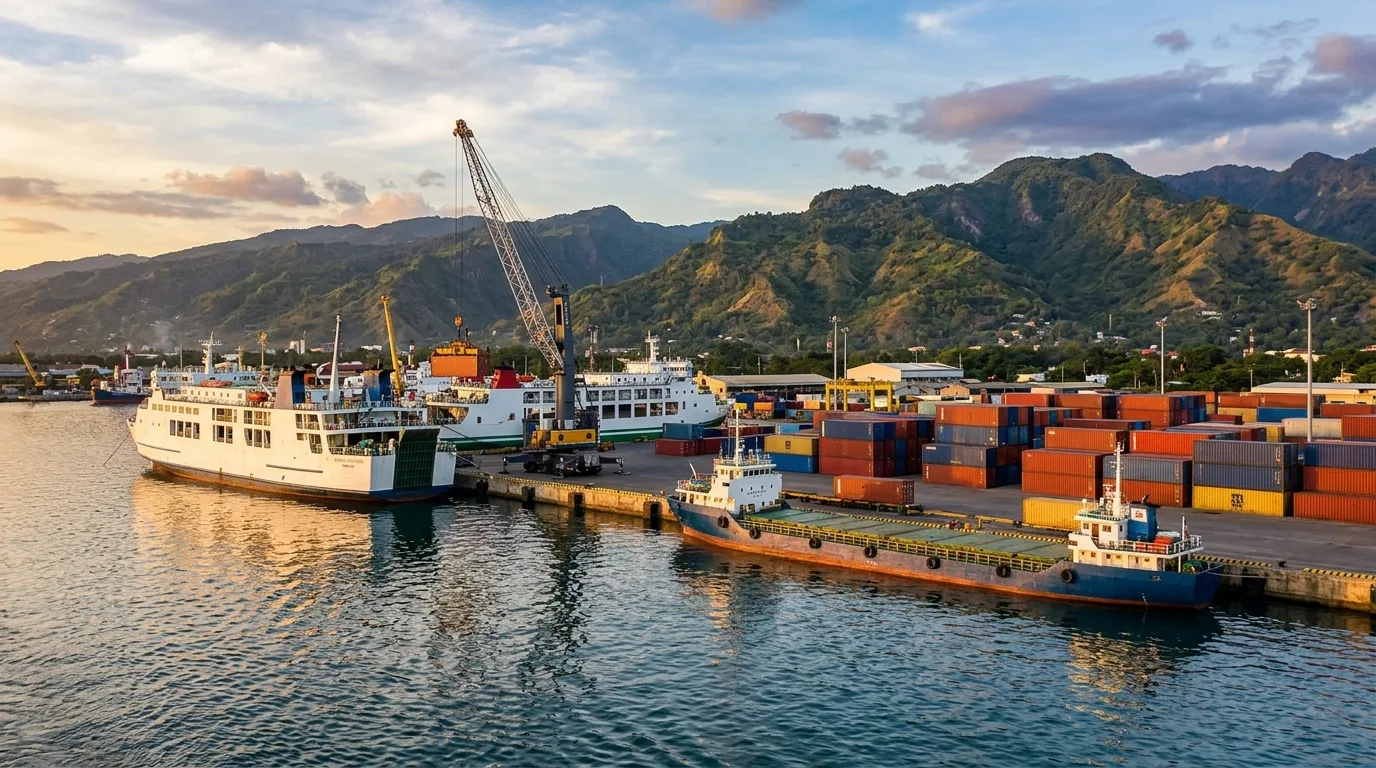
While Central Visayas continues to lead the nation in inflation, the overall Philippine trend shows a more pronounced cooling, with national headline inflation slowing to 6.4 percent in June 2026, down from 6.8 percent in May. Experts from the Department of Economy, Planning, and Development (DEPDev) credit this national downtrend to stabilizing global oil prices and improved supply chain efficiencies. However, the region’s unique reliance on inter-island food shipments and its exposure to localized logistics challenges keep its rates significantly higher than the national benchmark. This discrepancy highlights the complexity of the regional economy, where global trends like waning geopolitical tensions interact with local supply constraints.
The Outlook for the Second Half of 2026
Looking ahead, economic analysts suggest that while we have seen two months of deceleration, inflationary pressures are expected to remain "elevated" for the remainder of the year. Factors such as potential weather disruptions and lingering logistics bottlenecks mean that consumer prices are likely to stay under scrutiny in the coming quarters. As local government units and regional agencies work to strengthen food supply chains and improve logistics, the focus remains on ensuring that these incremental improvements eventually translate into tangible relief for the average consumer. For now, the region’s progress—however gradual—is a critical step toward stabilizing the cost of living for residents across the Visayas.