Keeping Medical Services Available
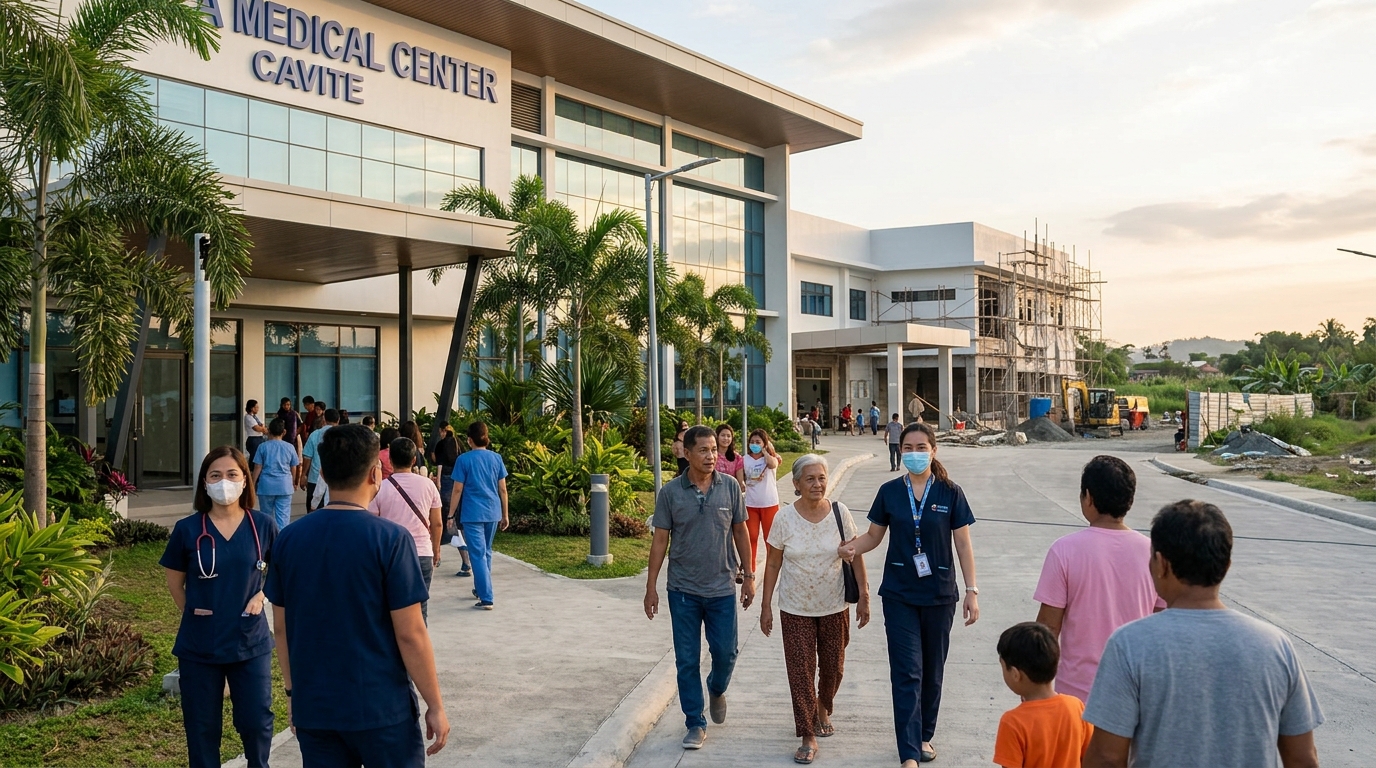
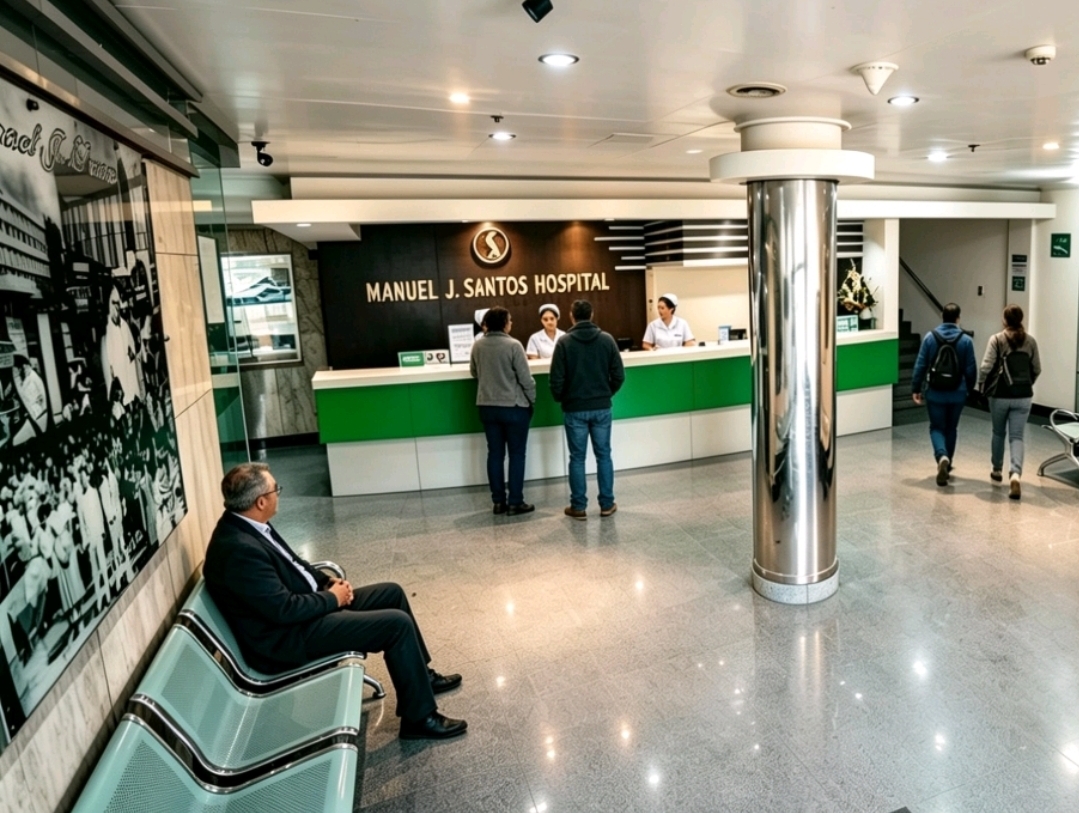
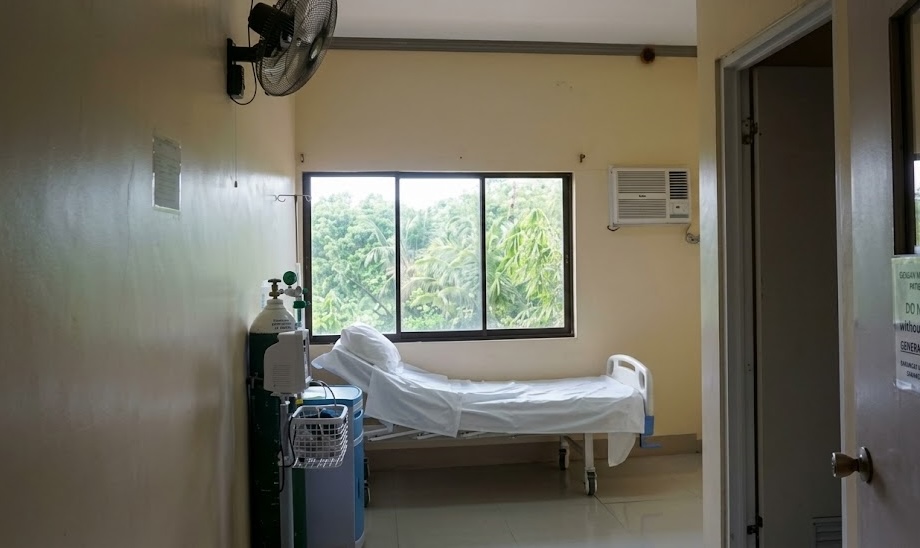
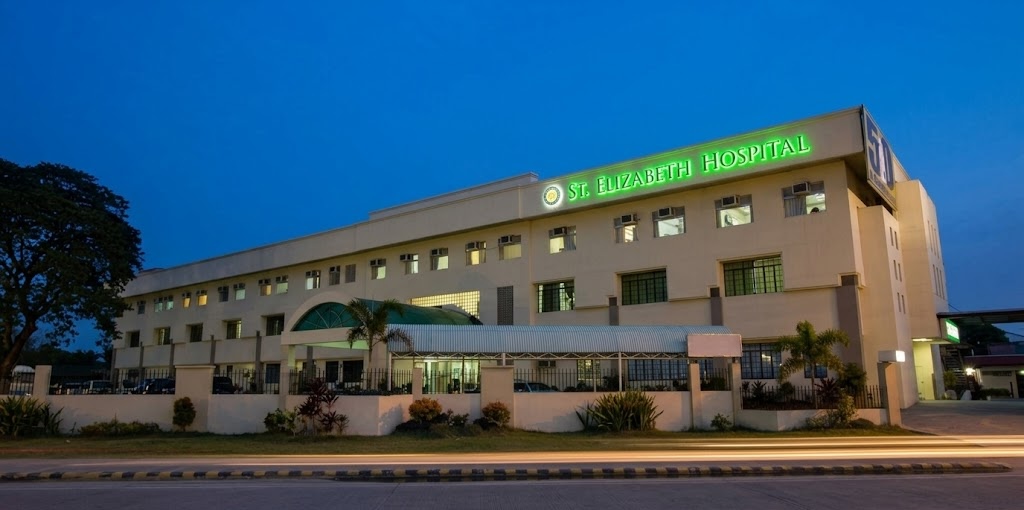
Hospitals play a critical role during emergencies because communities rely on them for immediate treatment and continuing healthcare needs. Following the earthquake, St. Elizabeth Hospital worked to maintain operations despite challenges caused by facility damage. Hospital officials reported that while certain areas required attention, essential services remained available to patients. This allowed residents to continue accessing medical consultations, treatment, and other healthcare needs during a difficult period. Maintaining hospital operations requires coordination among medical teams, administrators, and support personnel. Their efforts demonstrate the importance of preparedness and flexibility within healthcare institutions, especially when communities experience unexpected disruptions.
Supporting Patients Beyond Emergency Response
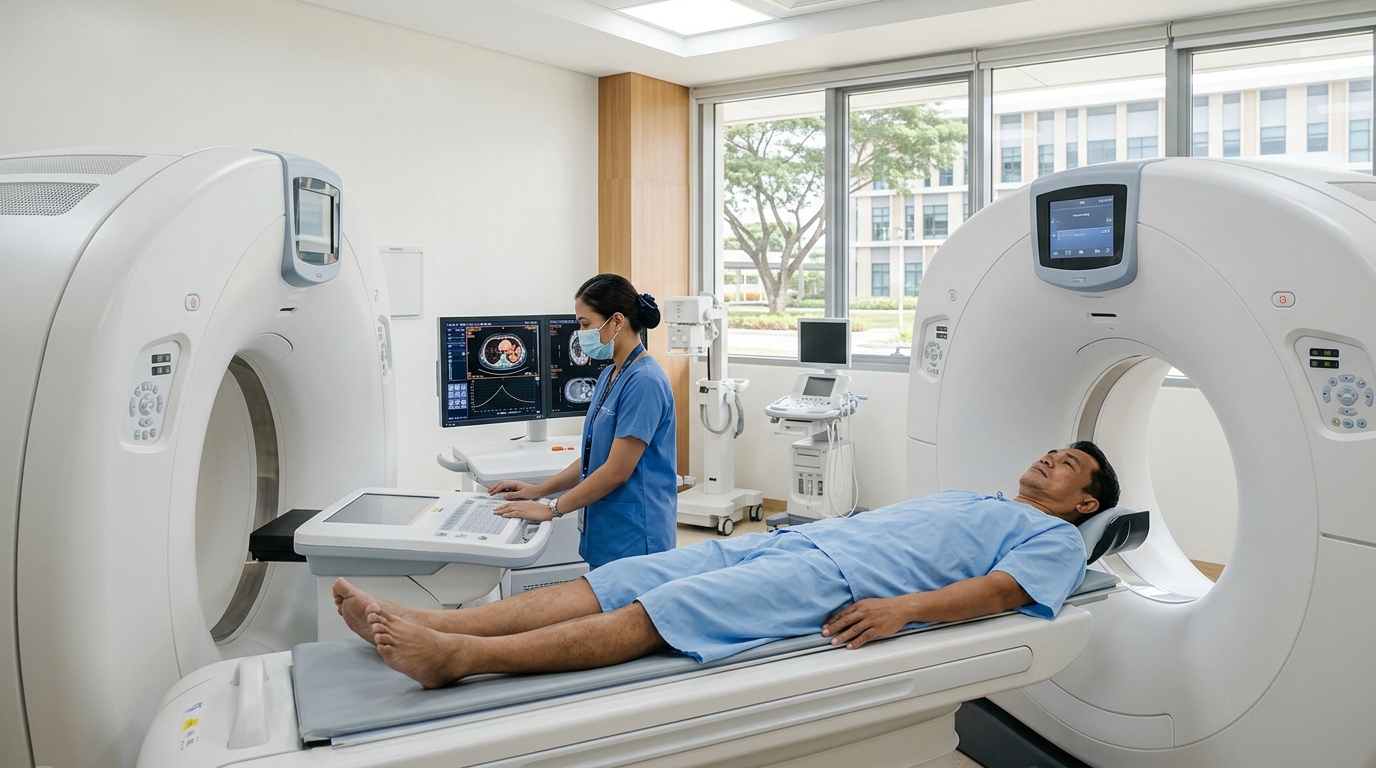
Healthcare during disasters involves more than treating injuries. Many patients still require regular medical attention, medications, and ongoing care even when emergency situations occur. Hospitals like St. Elizabeth Hospital serve an important role by continuing routine healthcare services while responding to immediate needs. For General Santos residents, access to functioning medical facilities provides reassurance during uncertain times. Healthcare workers must balance multiple responsibilities, from emergency assistance to maintaining everyday patient care. This responsibility highlights the importance of having strong healthcare systems capable of adapting during challenging circumstances while continuing to serve the community.
Lessons for Future Healthcare Preparedness
The experience has reinforced the importance of strengthening healthcare facilities and emergency readiness. Hospitals must consider not only medical capabilities but also the ability of buildings and systems to withstand unexpected events. For General Santos City, the situation provides an opportunity to review preparedness measures and improve future response strategies. Healthcare resilience depends on infrastructure, trained personnel, and coordinated planning. As the city continues recovery efforts, strengthening medical systems can help ensure that healthcare services remain dependable when residents need them most.