Neighborhoods Designed Around Daily Convenience
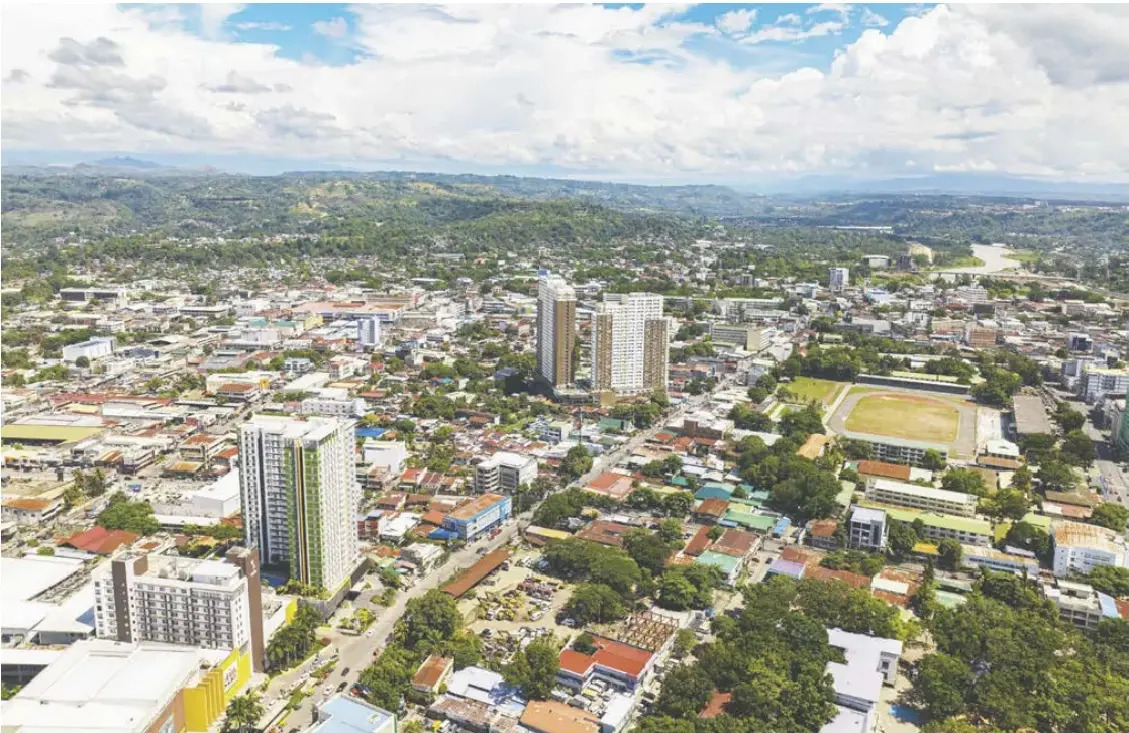
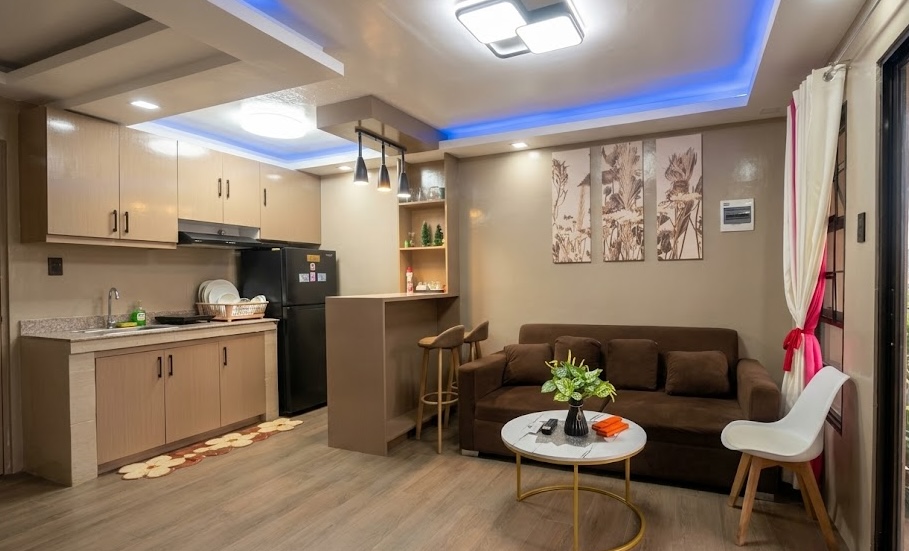
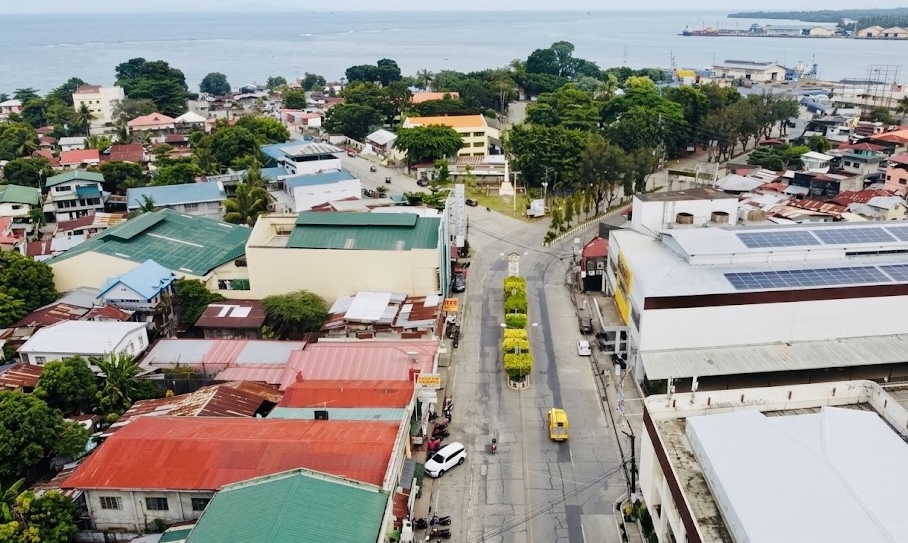
GENERAL SANTOS CITY - One of the most defining features of mixed-use communities is their ability to significantly reduce the need for long and time-consuming commutes across the city. Instead of traveling far for groceries, dining, banking, or fitness activities, residents can often complete multiple daily errands within the same development or nearby commercial area. This design reflects changing urban lifestyles, where convenience, accessibility, and time efficiency are just as important as physical location. In General Santos City, residential projects and commercial centers are increasingly planned to complement one another in integrated ways. As a result, many neighborhoods now offer easier access to essential services and everyday necessities.
Supporting Local Businesses Along the Way
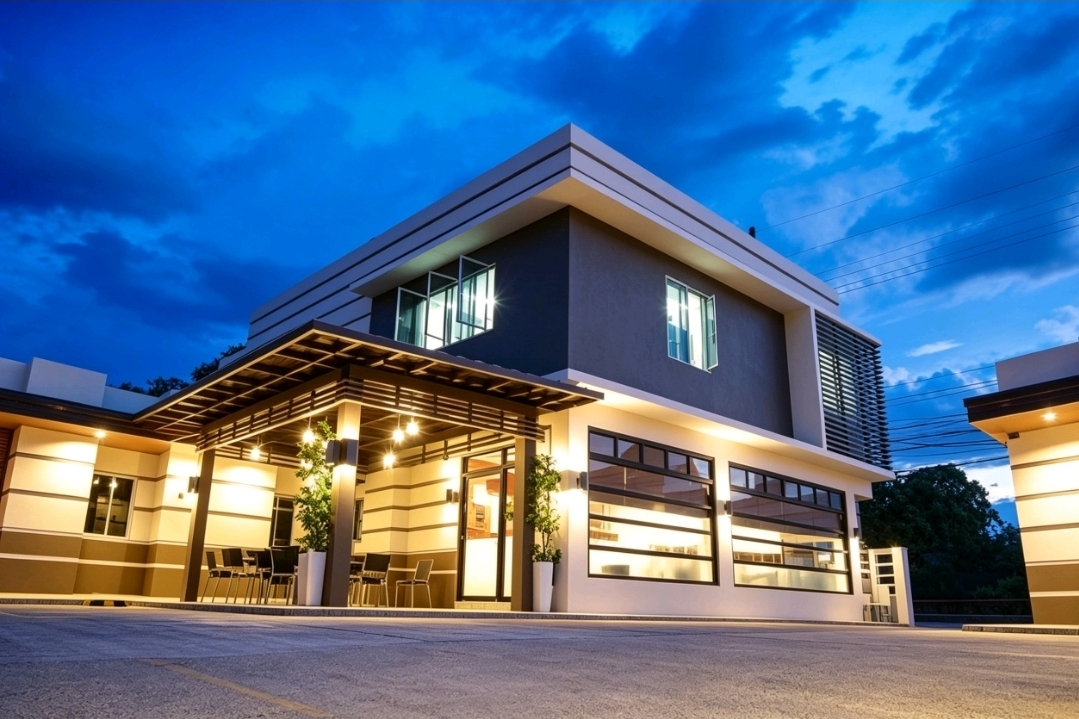
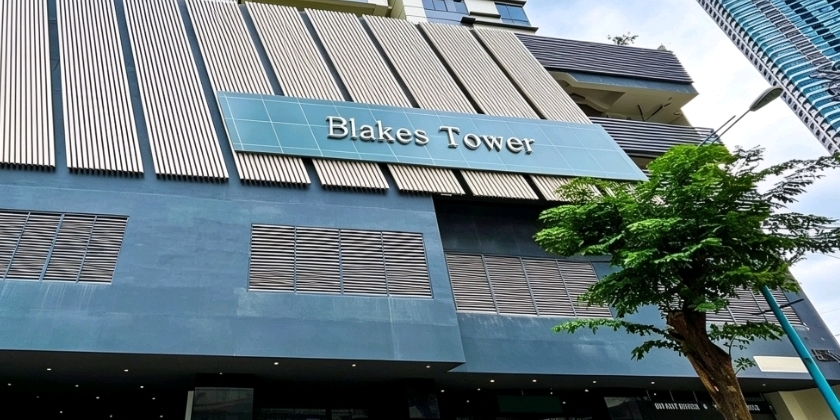
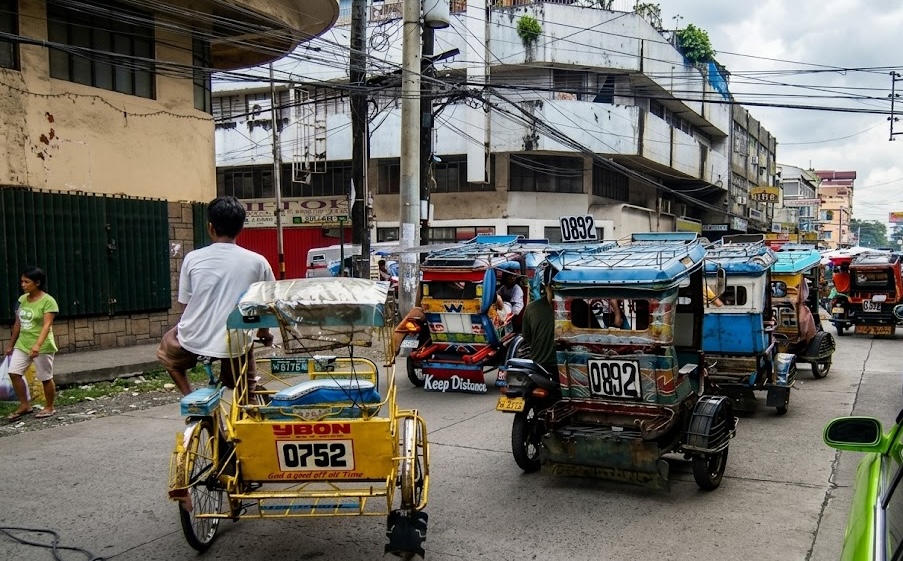
Mixed-use developments provide benefits that extend beyond homeowners by also creating meaningful opportunities for local entrepreneurs and small business owners. Retail shops, cafés, service providers, wellness clinics, and professional offices often become part of these communities, allowing them to operate within walking distance of residents. This setup encourages consistent economic activity throughout the day instead of concentrating it only in traditional commercial districts or peak hours. For small businesses, being located where people already live, work, and gather increases visibility and customer engagement. It also provides a steady flow of potential clients without relying entirely on destination-based traffic alone.
A Lifestyle That Extends Beyond the Front Door
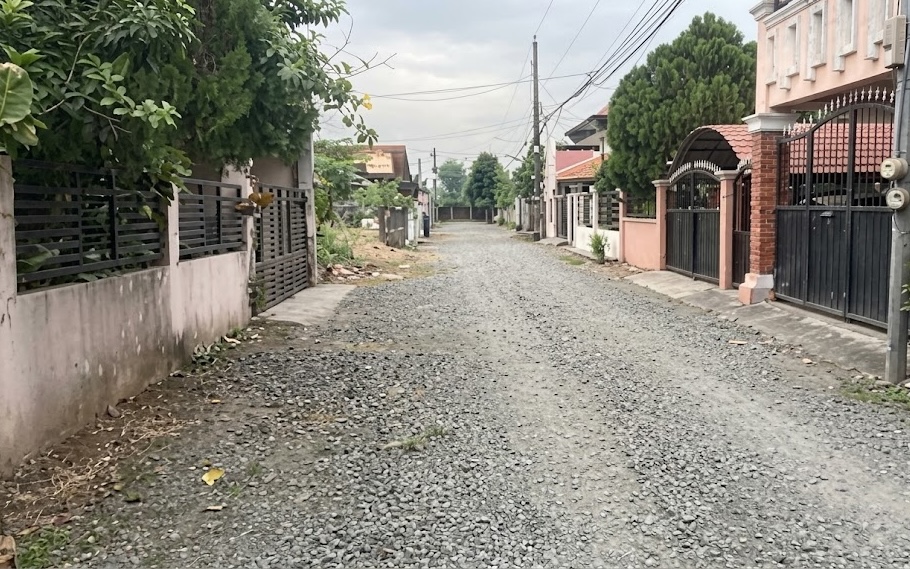
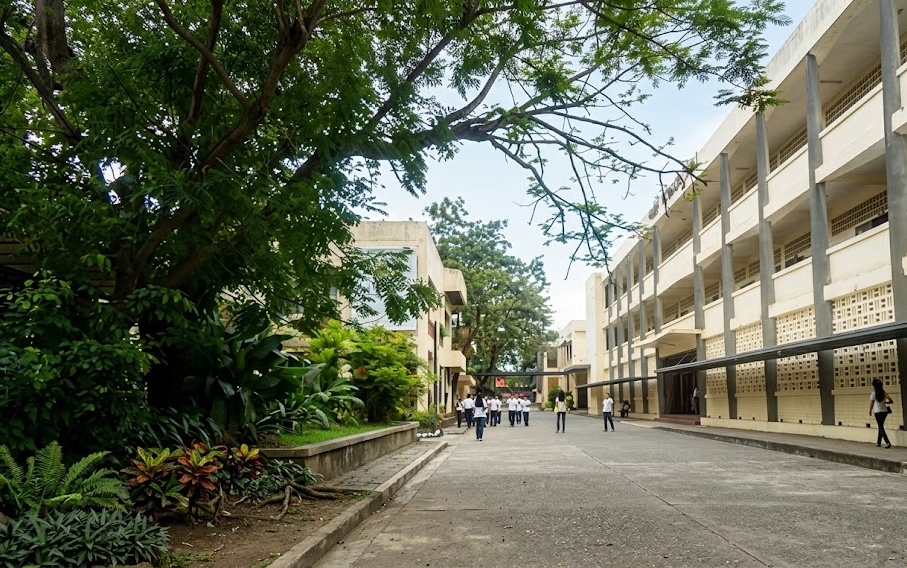
Modern residential communities are increasingly designed with shared and open spaces that encourage residents to spend more time outdoors and interact with their neighbors. Features such as landscaped walkways, parks, playgrounds, dining areas, and community facilities help create environments that promote balance in everyday life. In General Santos City, the continued development of mixed-use projects reflects broader urban planning trends that emphasize accessibility, livability, and convenience together. Rather than separating work, leisure, and home into distant parts of the city, these developments bring them closer within a single environment. This integrated approach supports a more connected and flexible way of living.