
Convenience Begins Outside Your Front Door
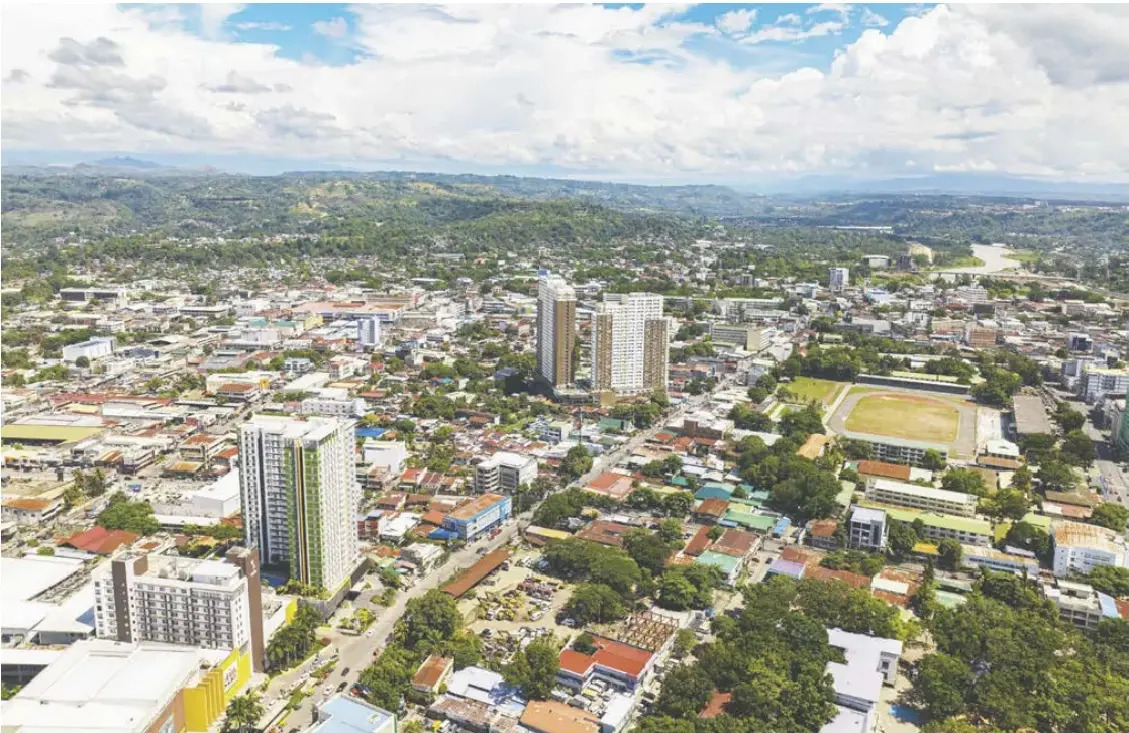
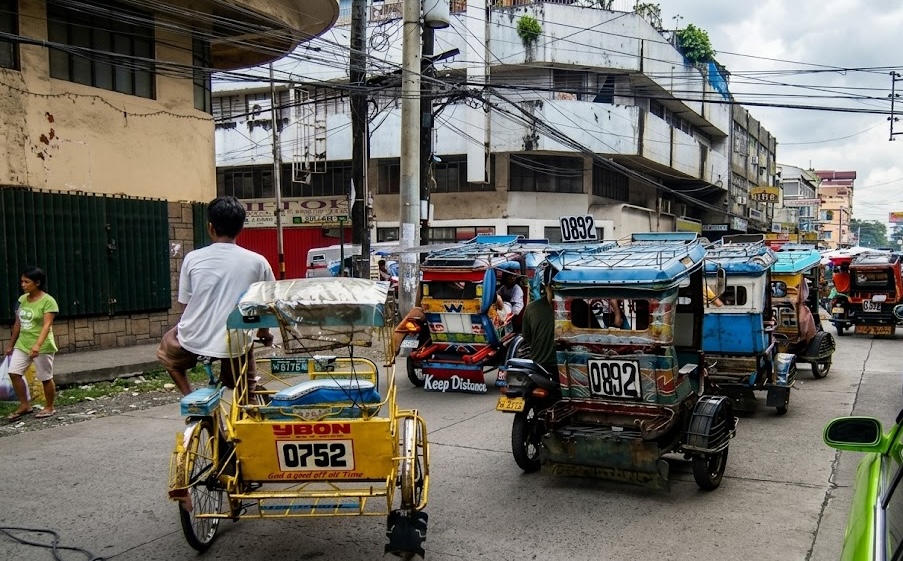
OZAMIZ CITY - A house does not exist in isolation—it is part of a neighborhood that shapes everyday routines. Living within walking distance of grocery stores, pharmacies, schools, or public transportation can reduce travel time and simplify daily errands. Parents may appreciate shorter trips to school, while older residents may find nearby services easier to access. In a city like Ozamiz, where urban barangays place many essential destinations relatively close together, accessibility can become a meaningful advantage when comparing residential locations. Buyers are encouraged to evaluate the surrounding community just as carefully as they inspect the house itself.
Looking Beyond the Property Itself
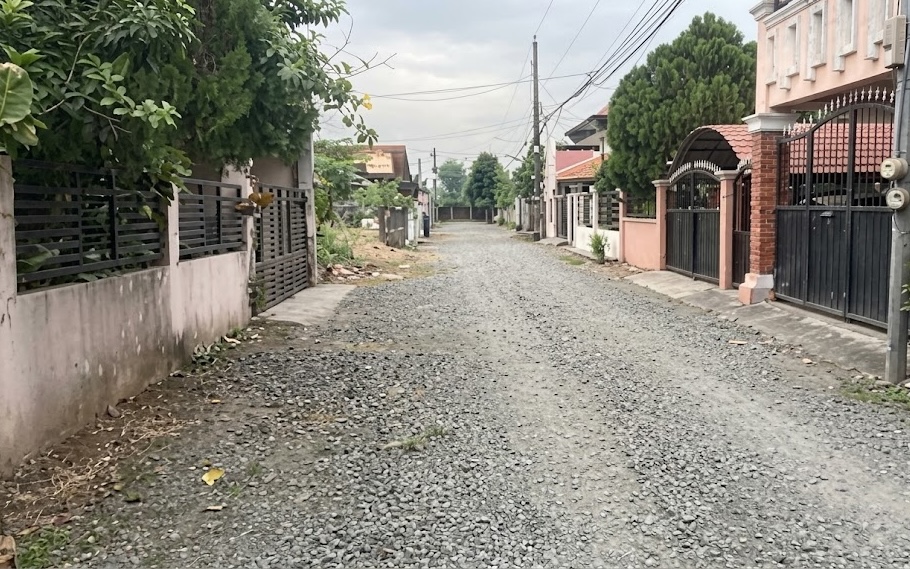
Homebuyers sometimes focus entirely on floor area, finishes, or future renovations, yet the surrounding environment has an equally lasting impact on quality of life. The Department of Human Settlements and Urban Development (DHSUD) advises buyers to examine the legal status of a property, verify project documents, and assess whether a community has reliable access to basic services and infrastructure before making a purchase. A neighborhood that allows residents to reach essential destinations with minimal travel can support both convenience and long-term livability. These practical considerations often prove just as valuable as attractive architectural features.
A Lifestyle That Grows With the Family
Walkable neighborhoods remain relevant through different stages of life. Children may eventually walk to nearby schools, working adults can benefit from easier access to transport and commercial areas, and retirees often appreciate having daily necessities within close reach. While every buyer's priorities differ, selecting a location that supports everyday mobility can make a home more adaptable as household needs evolve. In the end, buying property is not only about owning a structure—it is also about choosing a community that fits the way people want to live.