
More Activity Means More Coordination
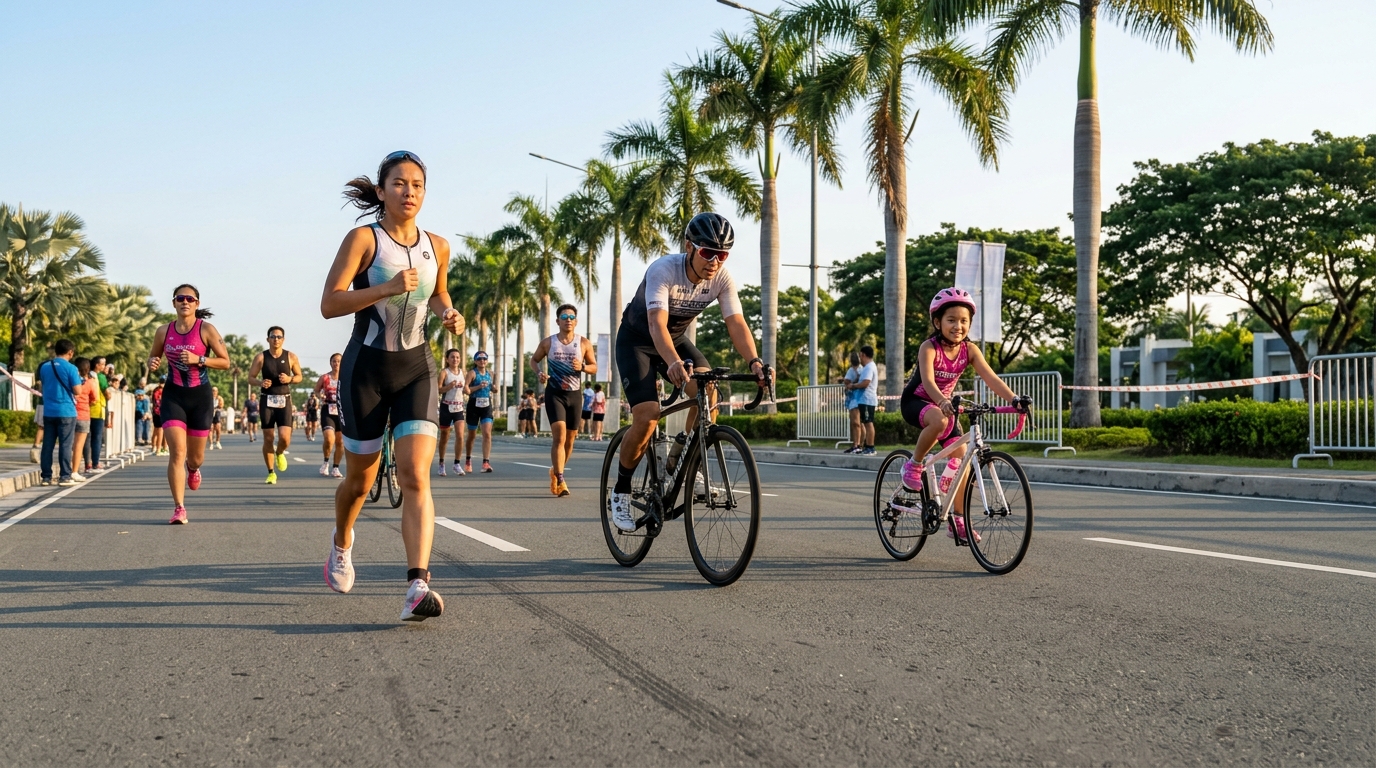
As parks and commercial areas attract larger crowds, maintaining order becomes increasingly important for safety and accessibility. Rules surrounding parking, waste disposal, and vendor placement often exist to reduce conflict between different users of public spaces. Residents become more aware of these regulations when public areas grow busier. Urban activity naturally increases the need for coordination. Shared environments require structure to function smoothly.
Public Behavior Affects Community Experience
Simple actions like blocking sidewalks, improper parking, or littering can significantly affect how comfortable spaces feel for others. Many community regulations focus less on punishment and more on preserving accessibility and cleanliness. Public cooperation often determines whether spaces remain welcoming. Law becomes most visible when shared routines begin affecting large groups. Everyday behavior shapes city experience directly.
Awareness Is Slowly Becoming More Civic-Minded
Residents are gradually becoming more conscious about how public spaces function collectively rather than individually. Community discussions increasingly involve responsibility alongside convenience. In General Santos, civic awareness continues developing around everyday urban behavior. Public order often depends more on habits than enforcement alone. Communities work better when residents recognize shared boundaries.