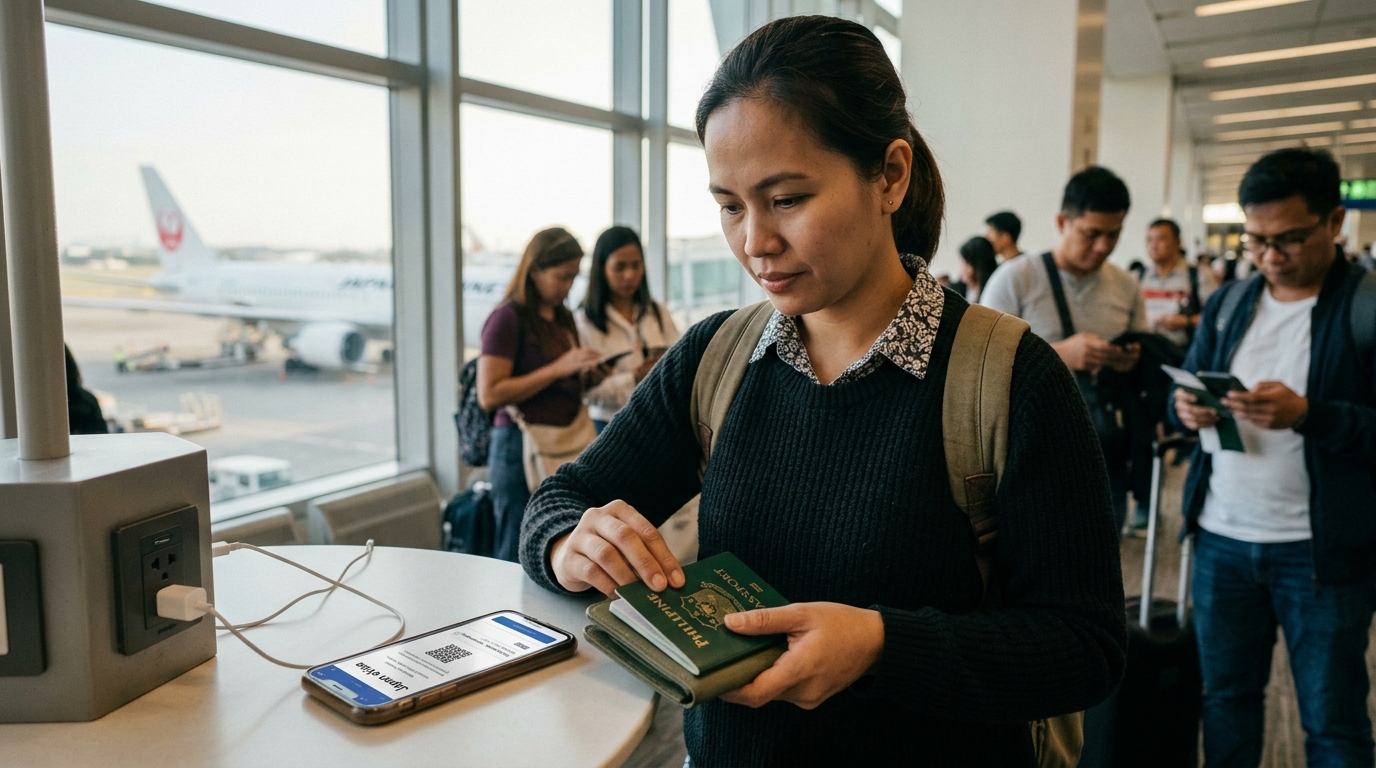
Japan has officially opened its electronic visa (eVisa) application system to citizens of the Philippines, a development poised to significantly alter the travel landscape between the two nations. This move promises a more convenient and efficient way for Filipinos to secure entry into Japan, eliminating the need for physical embassy visits. However, this welcome news is accompanied by a critical "catch," signaling that the new system may not be universally accessible or as straightforward as some might hope.
Restricting Digital Processing to Accredited Group Itineraries
While the exact specifics of this "catch" are still being clarified by official channels, historical patterns in visa liberalization suggest it could involve particular eligibility criteria. These might range from requiring applicants to have prior travel history to specific developed countries, demonstrating a certain level of financial stability, or holding existing multiple-entry visas from other nations. For many Filipinos, including those working abroad as Overseas Filipino Workers (OFWs) in various parts of the globe, an eVisa offers the potential for easier processing, especially for those who do not have ready access to a Japanese embassy or consulate. Yet, the embedded restriction implies that not all Filipino passport holders will immediately qualify for this expedited process.
Enforcing the 15-Day Cap and Banning Offline Airport Screenshots
For the Filipino community, Japan remains a highly sought-after destination, whether for tourism, family visits, or professional opportunities. The introduction of an eVisa system, even with limitations, represents a modernization of the application process. It could potentially boost tourism from the Philippines, contributing to Japan's economy and fostering cultural exchange. For OFWs, particularly those based in countries without direct Japanese consular services, an eVisa could streamline their ability to visit Japan for leisure or transit, making travel logistics considerably simpler. This convenience, however, is tempered by the need to meet the specific conditions of the stated "catch," which could inadvertently create a two-tiered system for applicants.
Navigating Jurisdictional Friction and Shielding Expatriate Travel Capital
Prospective Filipino travelers, whether residing in the Philippines or as OFWs abroad, must exercise diligence. It is paramount to consult the official website of the Japanese Embassy or Consulate in the Philippines for the complete and most up-to-date requirements. Do not rely on unofficial sources for information regarding the eVisa's eligibility criteria and the specifics of the "catch." Verify all necessary documents, understand any financial prerequisites, and confirm whether your specific travel purpose or personal circumstances align with the new eVisa's limitations. Understanding these crucial details upfront will save time, effort, and potential disappointment in the application process.