Cutting Out the Middle Distribution Tier
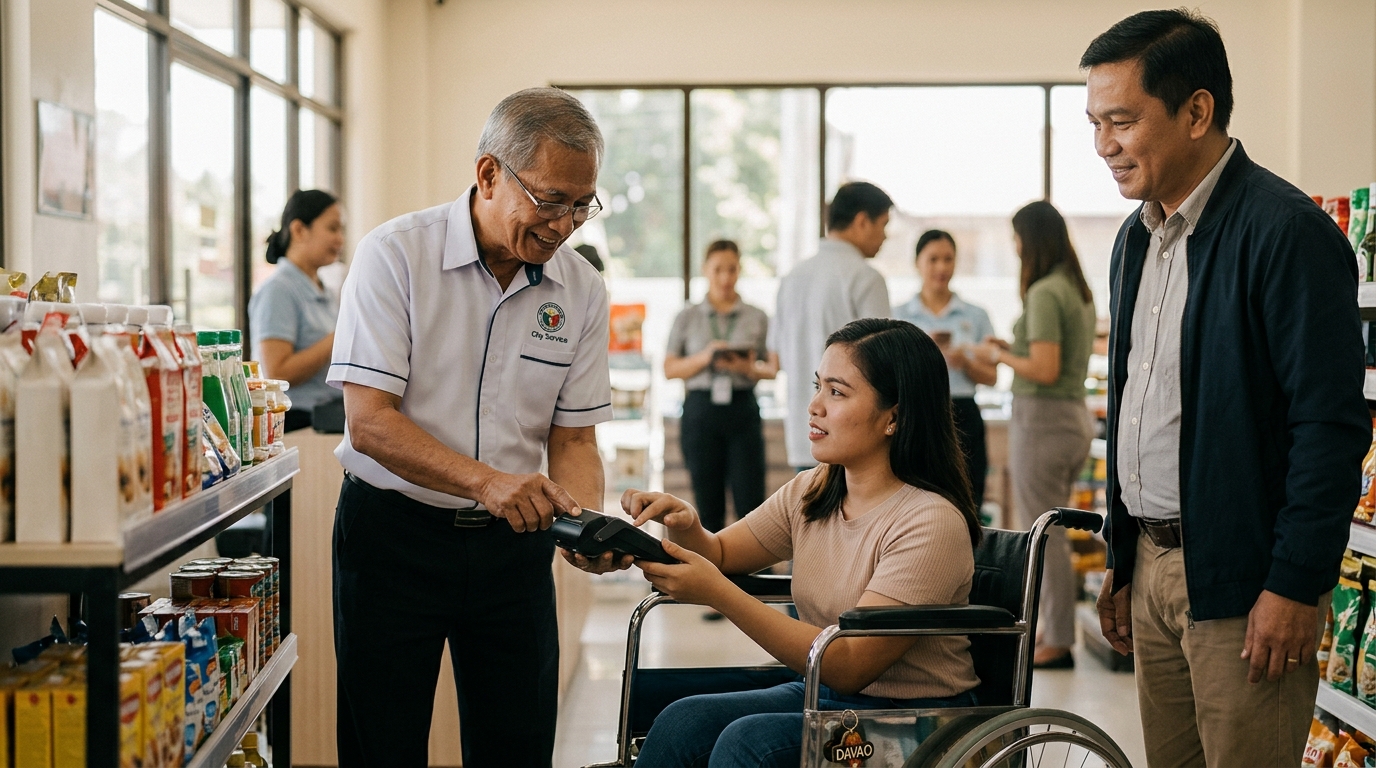
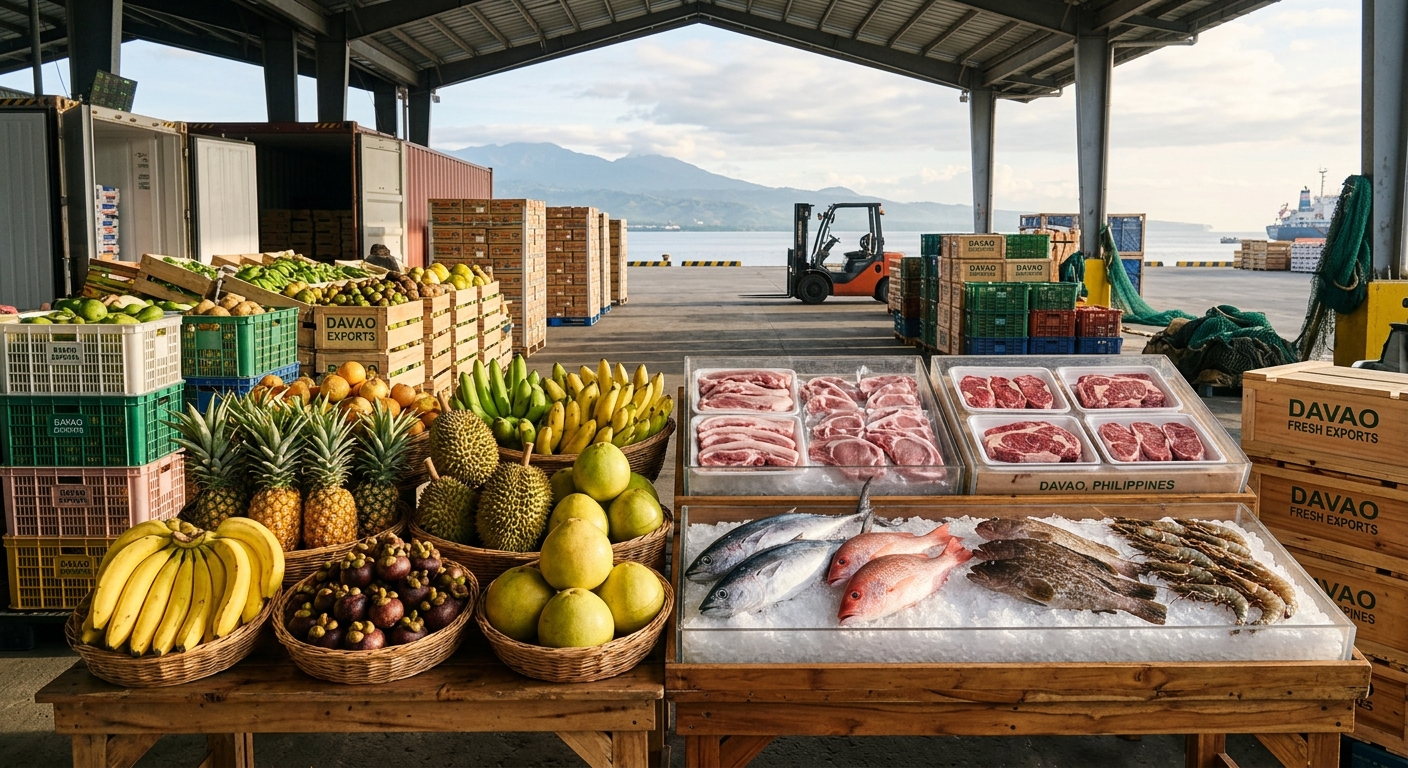
The physical establishment allows organized farming associations from the highland districts to drop off their produce directly at a centralized hub without paying expensive brokerage fees. This operational setup translates into immediate savings for urban consumers who face rising commodity prices in traditional grocery stores. The city agriculturists have provided specialized training to the staff to ensure that standard grading and inventory tracking match commercial quality. This direct access protects both the financial margins of the rural growers and the purchasing power of urban families.
The Lifeline of Training Programs
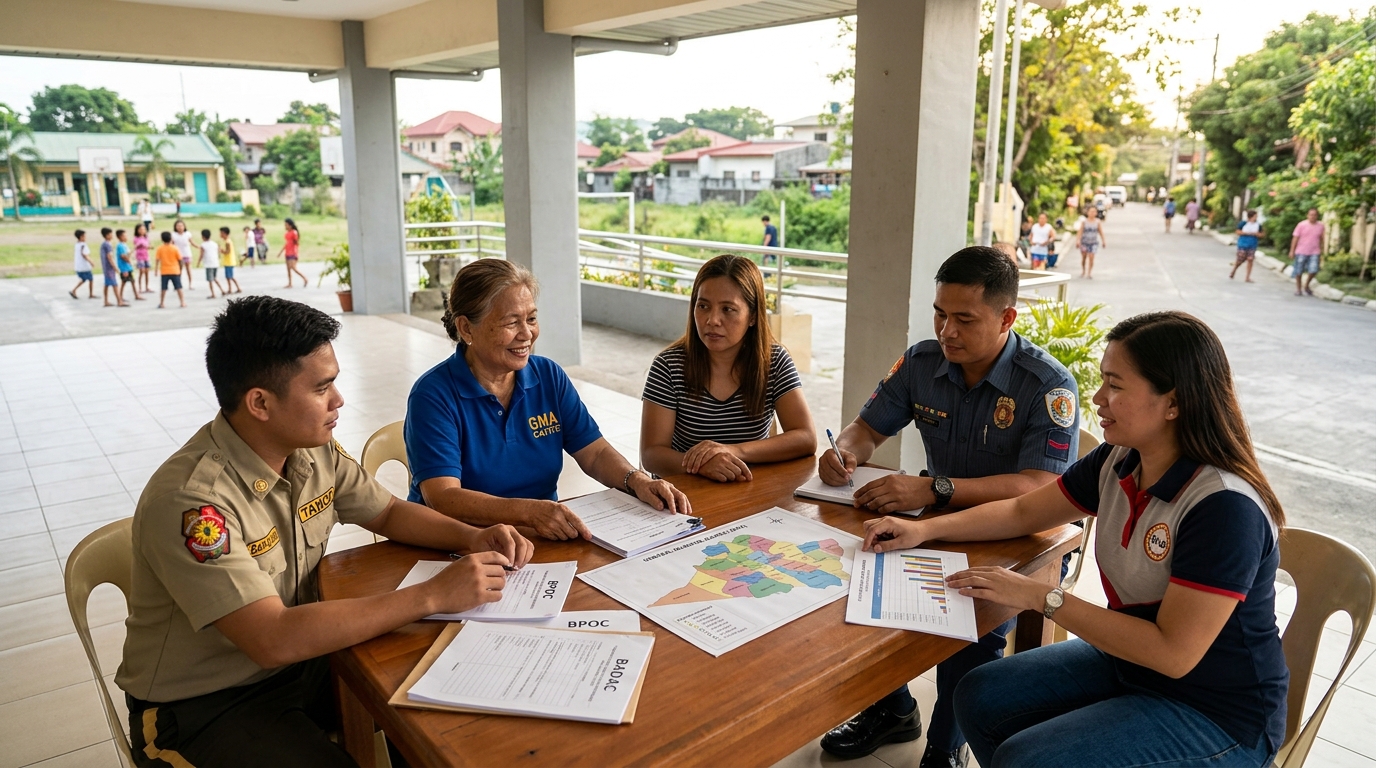
To complement the store's opening, agricultural officers have scheduled practical industry forums throughout the month, including specialized deboning and processing workshops for local fisherfolk groups. These training modules are designed to convert perishable raw goods into high-value, shelf-stable items that can be sold directly at the Toril outlet. By providing fishers and upland farmers with modern value-addition skills, the city is shifting its rural workforce away from simple manual labor toward independent micro-enterprise. It is an intentional educational push that builds long-term economic strength from the ground up.
Strategic Real Estate of Food Hubs
The positioning of the store within the Daliao terminal capitalizes on the district’s role as the primary transport gateway for southern Mindanao. Real estate planners highlight that turning transport facilities into consumer retail zones maximizes public land utility and cuts down on empty-return truck runs. Surrounding neighborhood groups are already reporting steady foot traffic to the complex, converting a purely industrial freight station into an active neighborhood center. This experiment could serve as a successful template for urban food access points across the country.