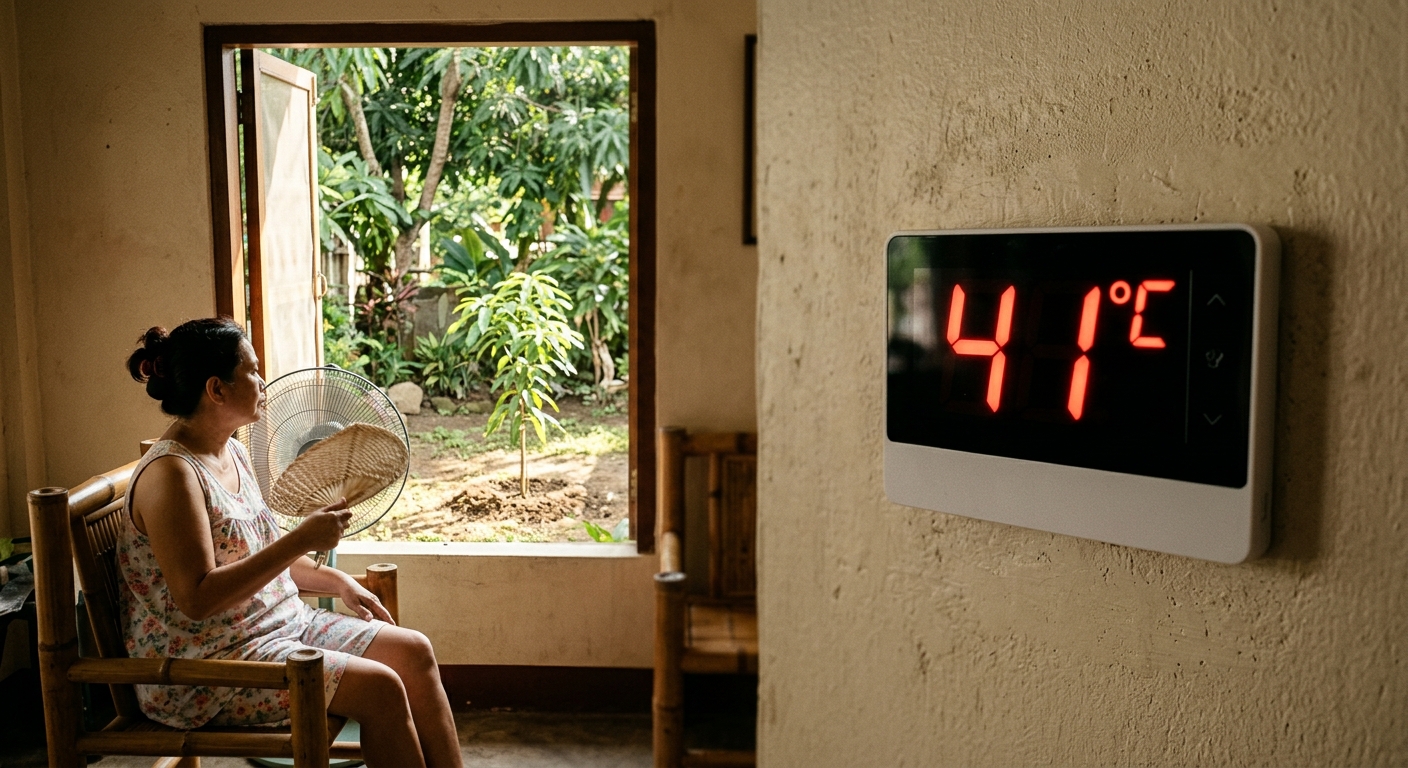
Cebu’s medical community and barangay health centers launched a massive, coordinated public health awareness campaign on Sunday morning, May 17, 2026, as heat indices climbed toward a high of 41°C. Following an official "extreme caution" warning issued by the state weather bureau, local emergency teams are setting up public hydration stations in major pedestrian transit zones. This proactive wellness campaign is designed to prevent a rise in emergency room visits by teaching citizens how to manage extreme summer weather safely.
Updating School and Workplace Cooling Rules
To protect office employees and students from heat-related illnesses, it is best to implement flexible indoor dress codes and adjusted work schedules. Companies should be encouraged to allow breathable, casual clothing styles and to shift heavy physical tasks to early morning or late evening hours. Building engineers should also monitor indoor air circulation metrics, ensuring that cooling units operate efficiently without overloading the building's electrical systems. These practical workspace adjustments would show a modern approach to public health that prioritizes human comfort and safety.
Building Long-Term Urban Cooling Networks
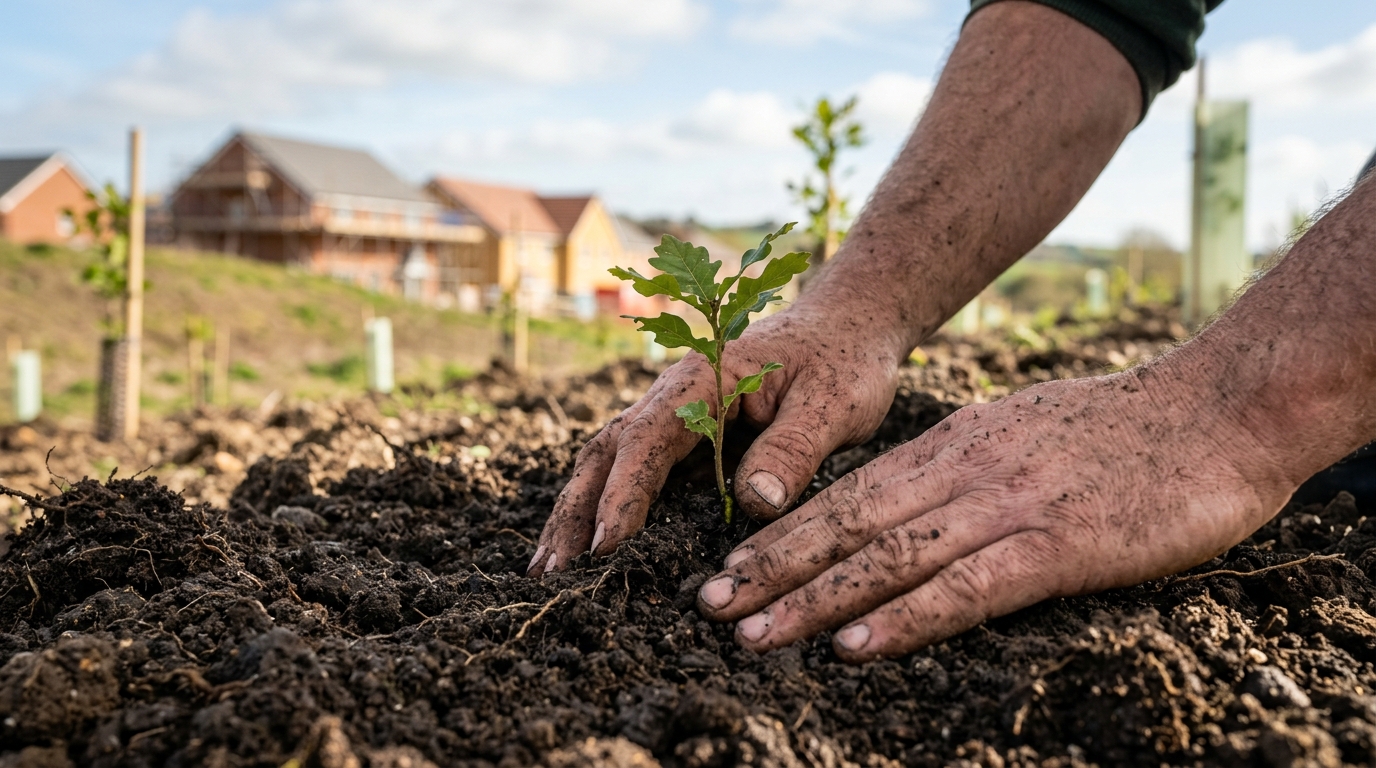
The recurring extreme heat levels should be used as a reference for city neighborhood associations to invest more resources into community greening projects and urban tree planting campaigns. Environmental groups must point out that increasing the amount of natural shade in public parks and open plazas is the most effective way to lower local street temperatures permanently. Homeowners must be taught how to use simple rooftop garden layouts and reflective paint to keep their houses cooler without relying excessively on expensive air conditioning units. In this way, Cebu could demonstrate that community-wide cooperation is the key to building a cool, resilient city.