The Department of Agriculture’s regional operations center in Davao City finalized a comprehensive emergency farming strategy on Saturday, May 16, 2026, to shield crop fields from worsening El Niño moisture stress. Driven by bi-weekly field monitoring data submitted by local government units, the initiative uses targeted weather tracking to guide farmers on exactly when to plant and irrigate. Agricultural technologist Joedel Leliza bared that the agency is updating field status reports every 15 days to identify high-risk irrigation systems before water supplies drop too low. This proactive, data-driven approach marks a major shift away from delayed disaster responses toward real-time climate management.
Data Integration on the Farming Frontier
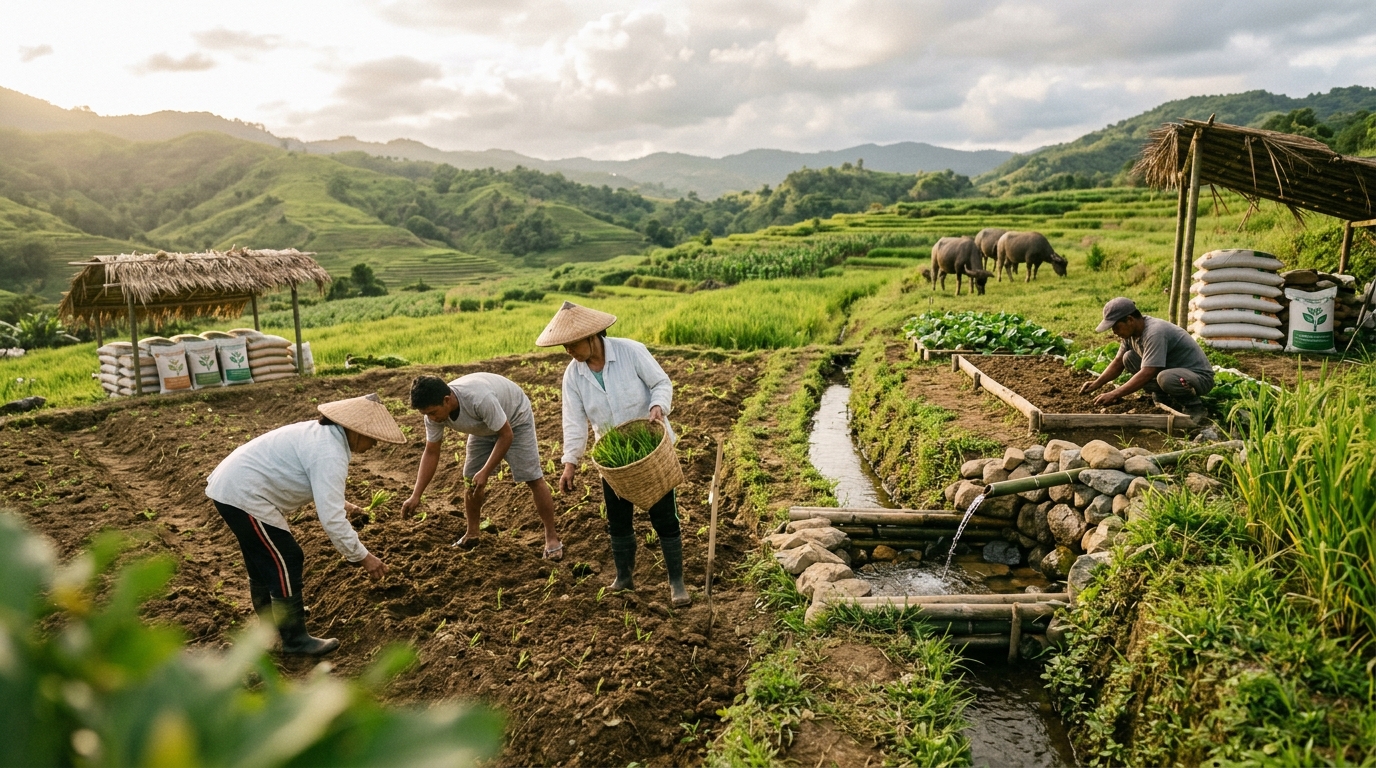
The technical framework relies on 10-day weather outlooks provided by atmospheric scientists, which are translated into practical, dialect-specific advisories for smallholder farmers. By knowing the precise moisture levels of their soil beforehand, corn and rice growers can avoid wasting expensive seeds during weeks predicted to have low rainfall. Local government units are conducting the physical inspections, checking water levels at small dams and distribution lines to allocate water fairly among neighboring fields. This level of coordination helps prevent the sudden crop failures that often threaten rural food supplies during heatwaves.
Preserving Farmland Values Against Climate Risks
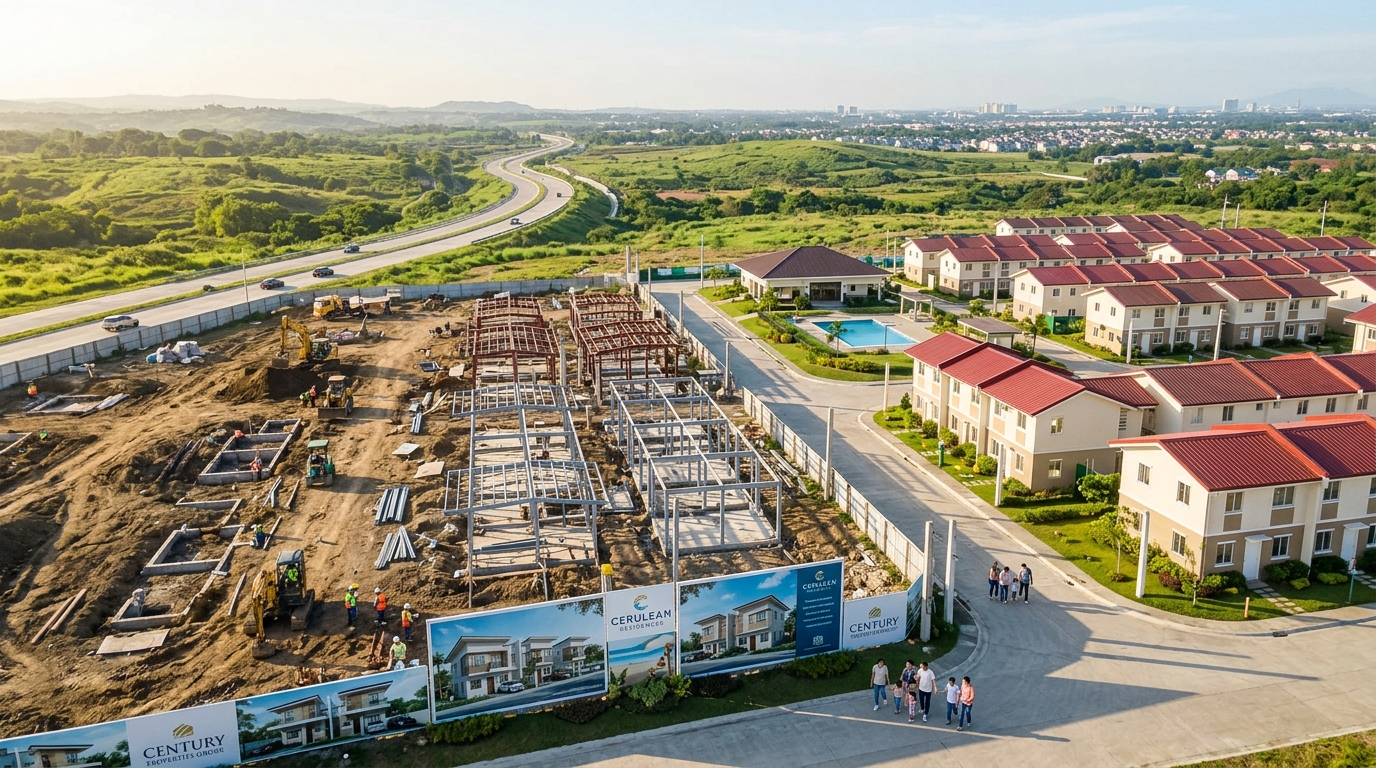
Financial advisors working with local agricultural cooperatives indicate that utilizing precise weather data helps keep rural properties profitable even during tough weather cycles. Protecting standing crops from drying out preserves the credit ratings of local farming groups, ensuring they can access green modernization loans from development banks. Real estate analysts note that agricultural lands managed under these precision systems maintain stable values, resisting pressure to be sold off for cheap industrial use. The strategy demonstrates that using smart technology is key to future-proofing the region's agricultural real estate.
Building Long-Term Water Self-Reliance
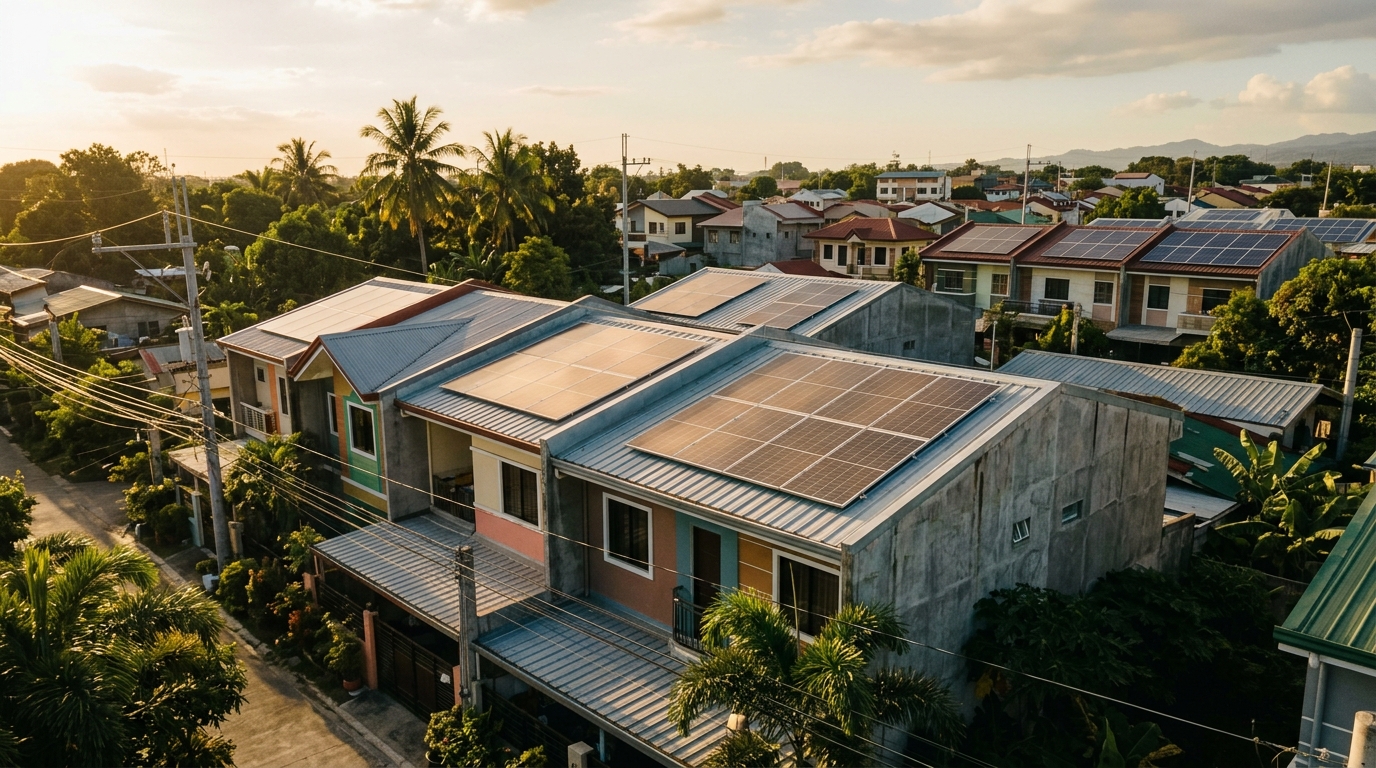
The ongoing moisture crisis is motivating local farming clusters to invest in decentralized rainwater collection networks and solar-powered drip irrigation setups. Moving away from complete reliance on massive, centralized river networks protects smaller farms from being left without water during regional droughts. The agricultural department is supporting this shift by distributing climate-resilient crop varieties that require minimal water to produce full harvests. Davao’s proactive farming strategy proves that with the right data, rural communities can successfully adapt to a changing climate.