Davao — When a powerful 7.8-magnitude earthquake struck off the coast of Sarangani this past Monday, June 8, 2026, the potential for catastrophic loss was immense. Yet, as the ground swayed violently across the Mindanao region, including Davao, many communities stood their ground—literally—thanks to years of consistent, rigorous disaster preparedness. Officials are now crediting regular earthquake drills with preventing a significantly higher casualty toll, demonstrating that in one of the world's most seismically active regions, knowledge and practice are the best forms of defense.
The Power of Practice During Chaos
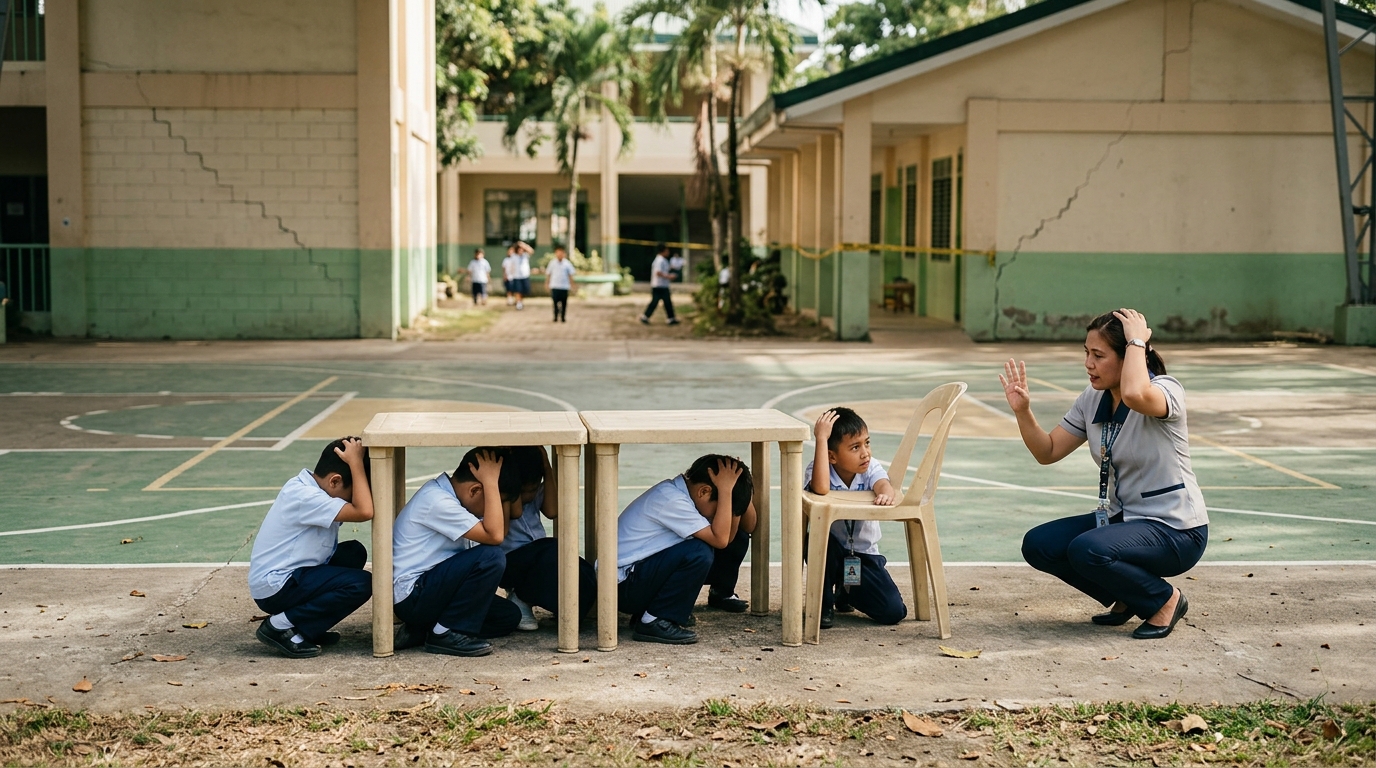
The seismic event, which hit around 7:00 a.m.—just minutes before classes and work were set to begin indoors—triggered scenes of panic that were quickly tempered by training. Viral footage from a school in Malita, Davao Occidental, showed students practicing the "duck, cover, and hold" protocol even as the earth shook and nearby structures collapsed. Teachers, who had undergone mandatory incident management training, successfully guided their students to remain seated or gathered in open spaces, preventing the deadly stampedes that often occur during such intense tremors. Ednar Dayanghirang, director of the Office of Civil Defense, noted that the success was not accidental; it was the result of a deliberate requirement for school principals and disaster-response teams to stay updated on earthquake and tsunami protocols.
Building a Culture of Readiness
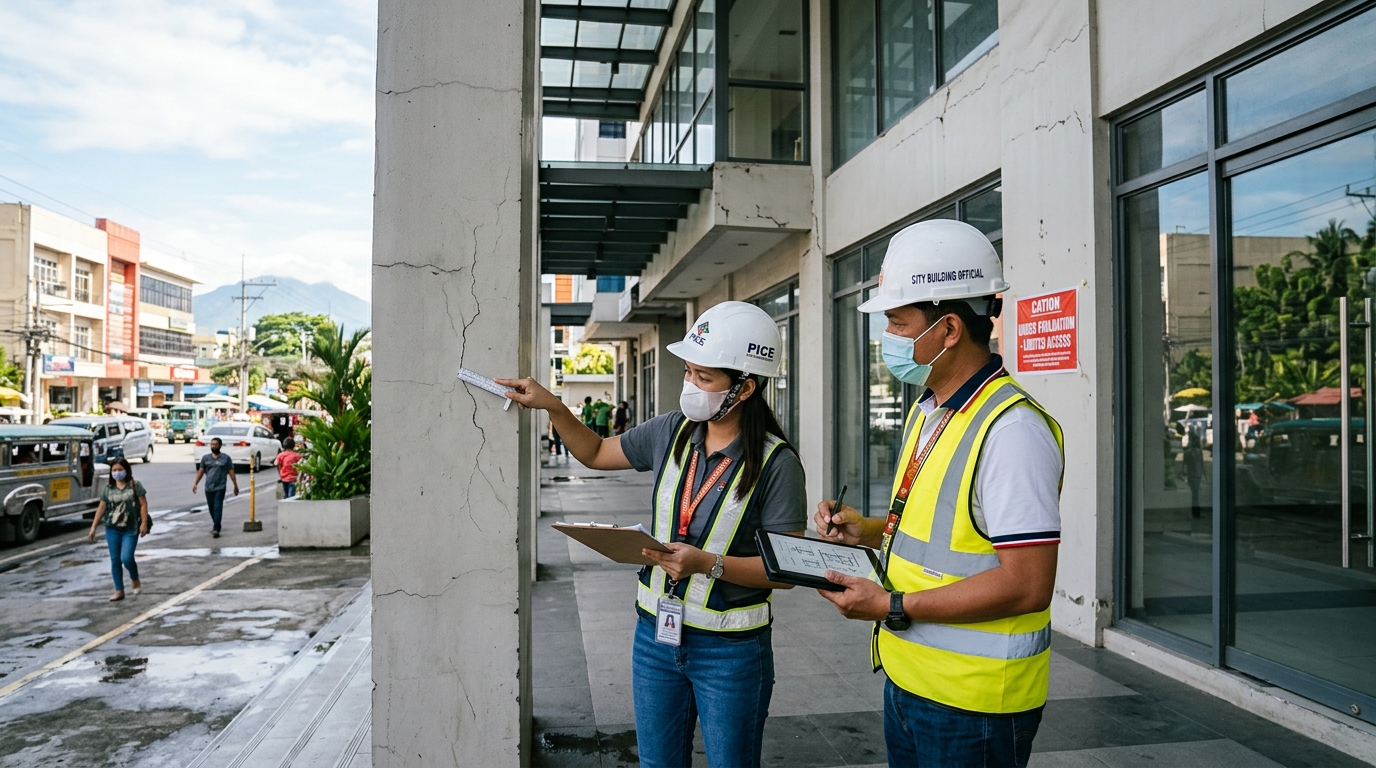
Teresito Bacolcol, director of the Philippine Institute of Volcanology and Seismology (PHIVOLCS), emphasized that these efforts have paid off in creating a population that is increasingly capable of anticipating and bracing for extreme seismic events. While the quake caused significant damage, leaving 55 people dead and thousands displaced, officials believe the toll could have been much higher without the ingrained muscle memory of these drills. The focus now shifts toward ensuring that all new construction adheres strictly to the national building code, as authorities have expressed concern over the collapse of buildings that should have withstood such a magnitude. As Davao and the rest of Mindanao continue to recover from aftershocks, the resilience of the community serves as a vital reminder that disaster preparedness is a continuous, life-saving necessity.