DAVAO CITY — Just days after the magnitude 7.8 earthquake that shook Mindanao, life is steadily returning to normal across much of the Davao Region. Following rapid structural assessments, many local governments have lifted class and work suspensions, allowing students to return to their classrooms and employees to their offices. The coordinated response highlights the region's resilience and commitment to safety.
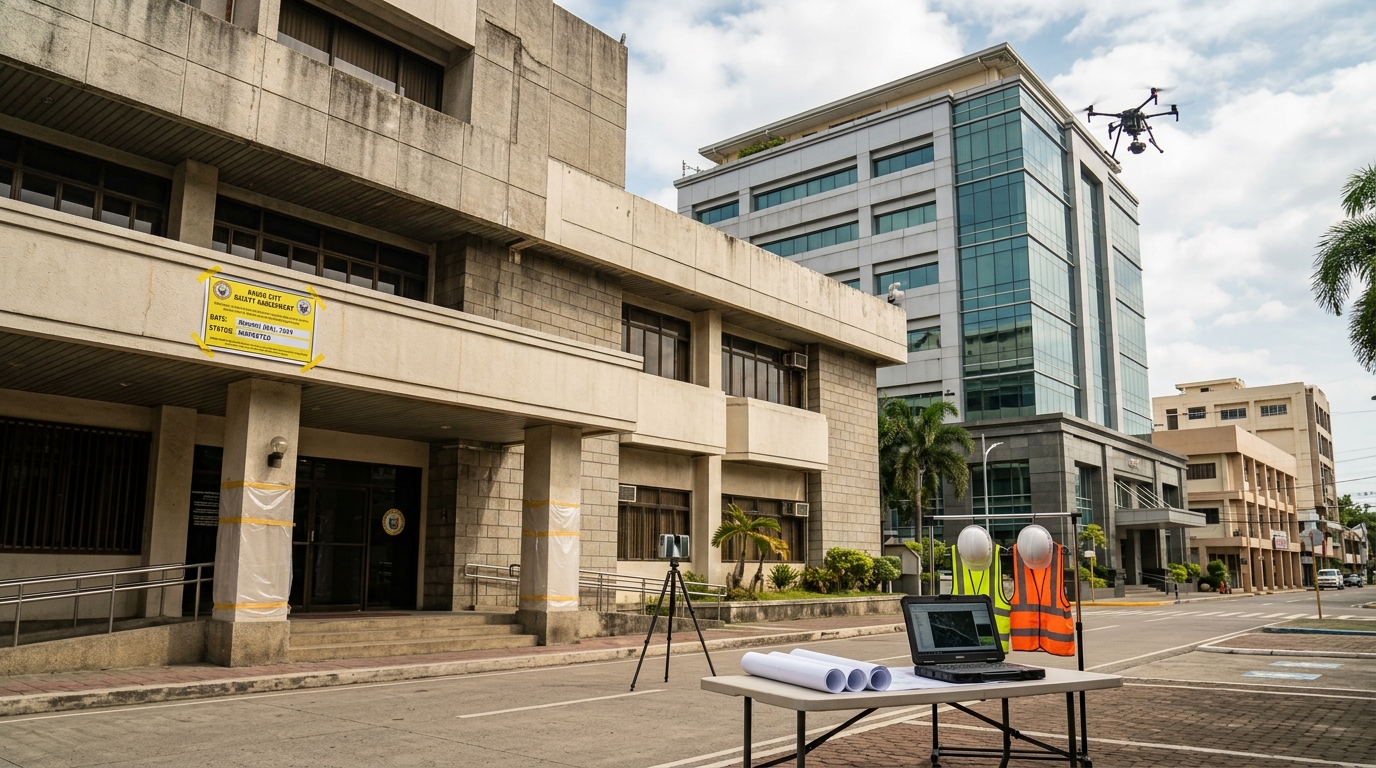
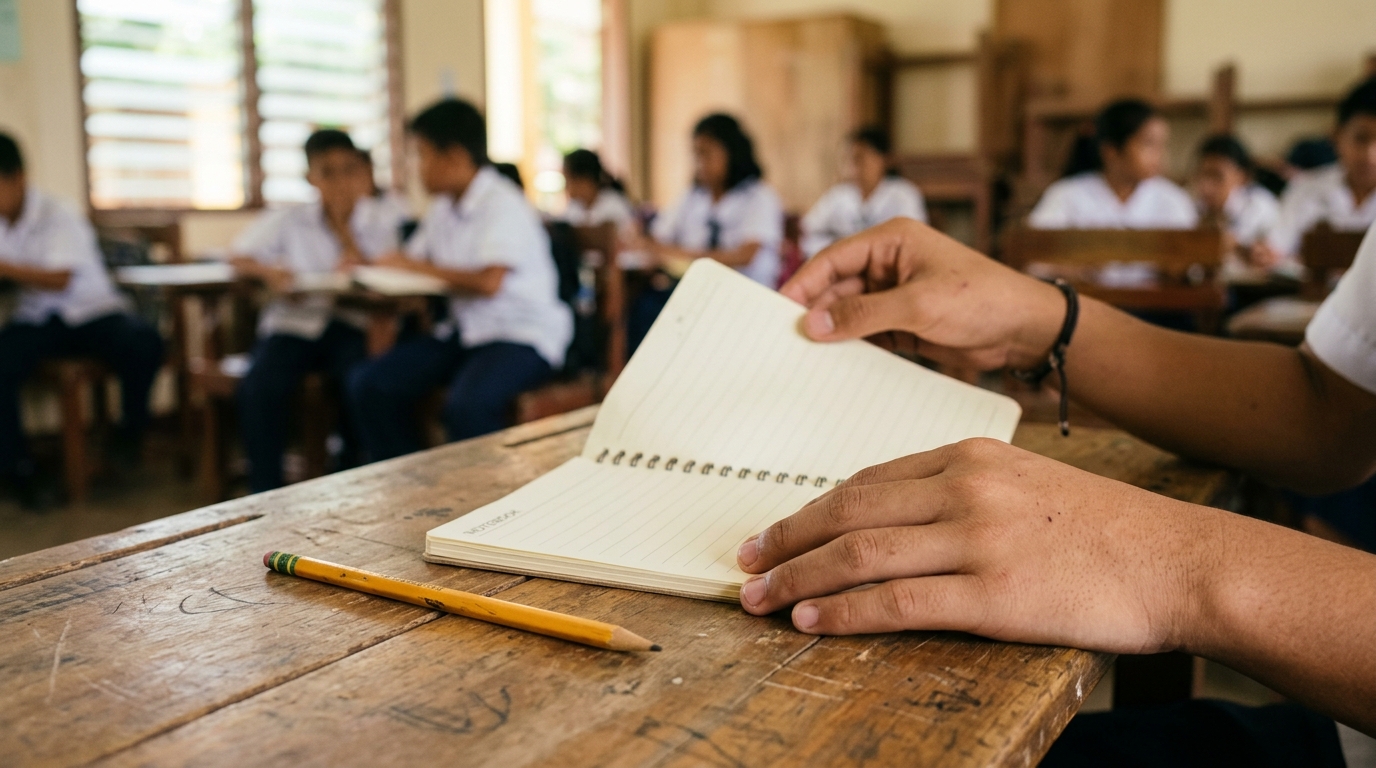
Educational institutions at all levels may resume face‑to‑face classes provided they have completed structural inspections and their buildings are declared safe. The city government is working closely with the Department of Education and the Commission on Higher Education to ensure that every facility meets safety standards before reopening. Those not yet cleared will continue with online learning.
Safety First, Then Schools Reopen
The City Government of Davao announced that schools cleared by engineers can resume immediately. "Educational institutions that have not yet completed their assessments or have not yet been cleared for occupancy shall continue to adopt online or distance learning modalities," the local government stated. This careful, phased approach puts learner safety at the forefront.
DepEd XI spokesperson Jenielito Atillo emphasized that the department "will not gamble the lives" of the region's estimated 1.5 million learners. Engineers conducted rapid assessments, and while no active school buildings were reported destroyed, thorough inspections continue. A viral video showing a collapsed structure at Matanao National High School was clarified to be an old, condemned building already cordoned off long before the quake.
Swift Assessments Clear Many Areas
The speed of the structural assessments has allowed a swift return to normalcy in many towns. In Davao del Norte, work suspensions were lifted after inspections revealed no significant damage or hazards. Tagum and Panabo cities resumed face‑to‑face classes on June 10, with local officials reminding everyone to stay alert for aftershocks.
In Davao de Oro, ten municipalities lifted class suspensions, including Mabini, Nabunturan, Pantukan, Maco, Laak, Mawab, Compostela, Maragusan, Montevista, and New Bataan. In Davao Oriental, seven LGUs—Mati City, Tarragona, Governor Generoso, San Isidro, Manay, Caraga, and Cateel—followed suit. These reopenings signal strong community confidence in the safety of local infrastructure.
A Community's Resilient Return
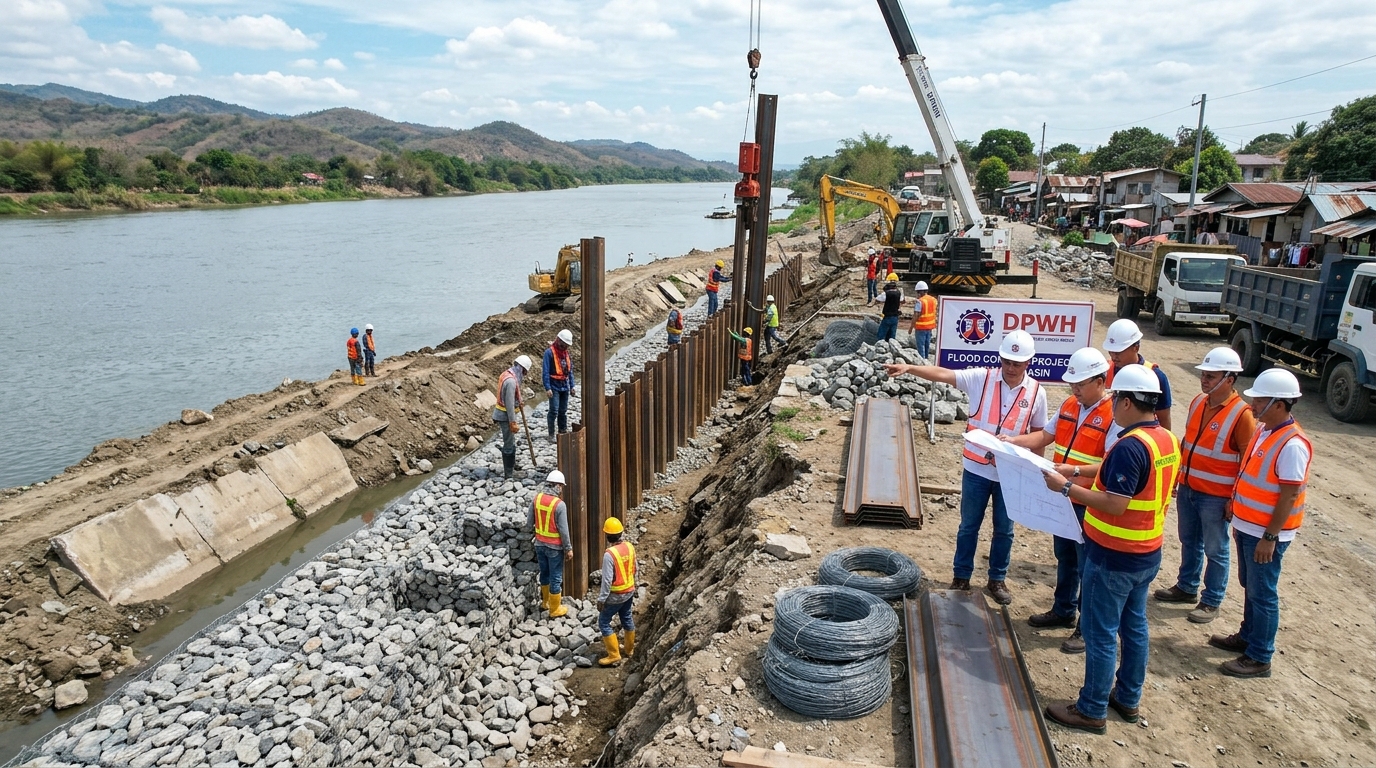
The return to classrooms and workplaces is a testament to the preparedness and cooperation among government agencies, school administrators, and local volunteers. The city government directed all Barangay Disaster Risk Reduction and Management Committees and volunteer groups to remain on standby and preposition emergency supplies.
President Ferdinand R. Marcos Jr. ordered the immediate mobilisation of government resources, and the Department of Education worked closely with local government units to conduct rapid damage assessments. "The LGUs have the immediate and swift capability to determine the current situation in their areas," Atillo noted, emphasizing the importance of ground‑level coordination.
Vigilance Remains as Recovery Continues
While the majority of the region has reopened, some areas continue to exercise caution. Davao Occidental has extended its class and work suspension as assessments continue, prioritizing public safety amid ongoing aftershocks. Residents are urged to remain alert, heed official advisories, and avoid structures that have not yet been cleared.
The earthquake, which struck on the opening day of the new school year, did not severely disrupt the academic calendar. Orientation activities proceeded, and formal classes are set to begin soon. With power restored and flights resuming, the Davao Region is demonstrating that even in the face of natural disaster, community spirit and preparedness prevail.